








← 이야기로인쇄 팩 · 새끼 고양이는 어디에?

부모 카드는 안내 언어를 골라 인쇄하세요. 낱말 카드·이야기 카드는 굵은 선을 따라 오려요. 흑백으로 인쇄해도 돼요. 골라 하는 쪽을 빼고 뽑으려면 인쇄 창의 쪽 범위 칸에 이렇게 넣으세요: 1-14, 17-19. 부모 카드까지 들어가요.

인쇄 창이 안 열리면 [인쇄하기]를 누르세요.
iPad·iPhone은 공유 버튼 → 프린트. PDF로 저장하려면 미리보기를 두 손가락으로 벌리세요.
A picture story · CEFR A1–A2

Where Is the Kitten?

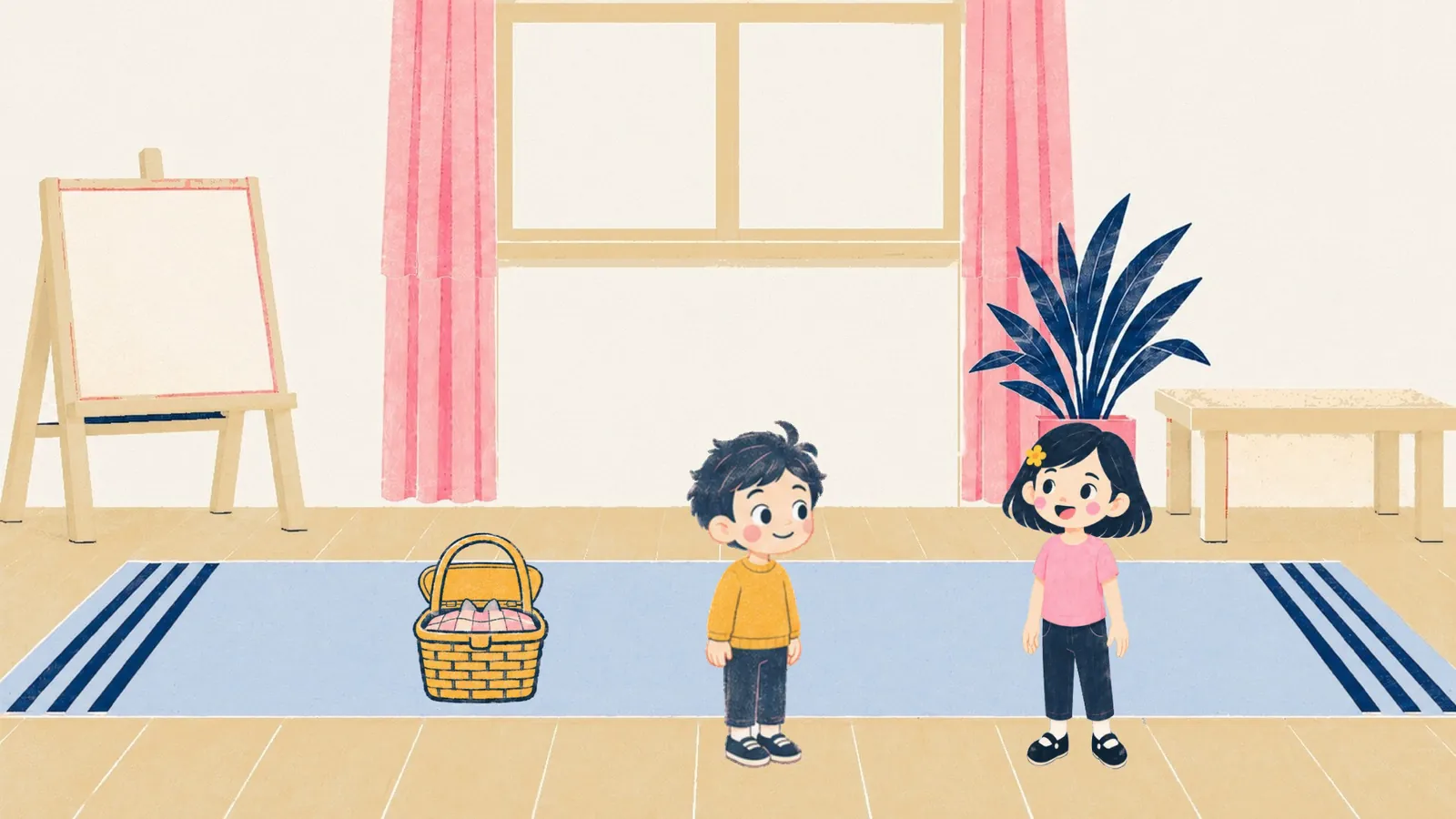
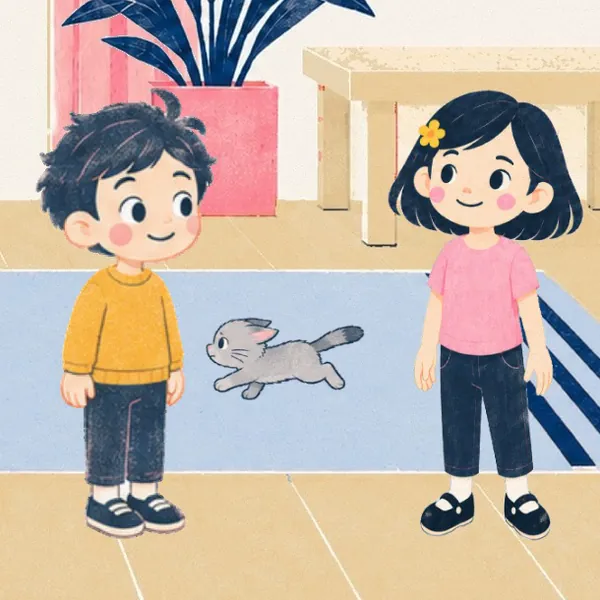
Lia and Dan in the living room with a picnic basket.

How to use this pack

  1. Get ready first — about 15 minutes: print, cut, find a cup and a box.
  2. Then do one part each evening, about 30 minutes, with the parent cards.
  3. Scan the QR on a page to hear the story read aloud.
  4. Print pages 1-14, 17-19 for Parts 1–4 and the parent cards. Pages 15–16 are for Part 5 (optional).
Scan to watch
Where Is the Kitten? · Story Time with Lia · liabooks.com/study1
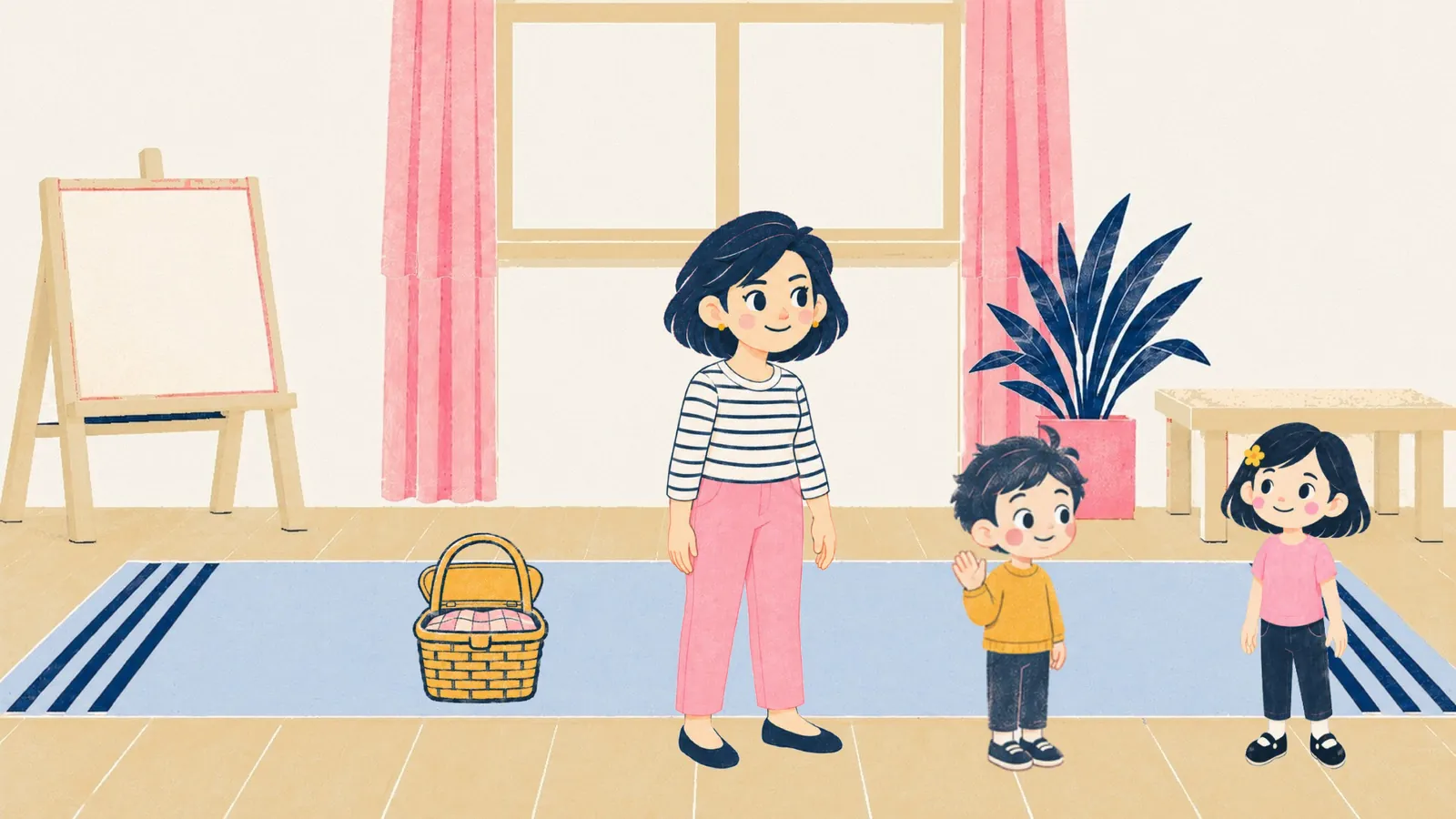
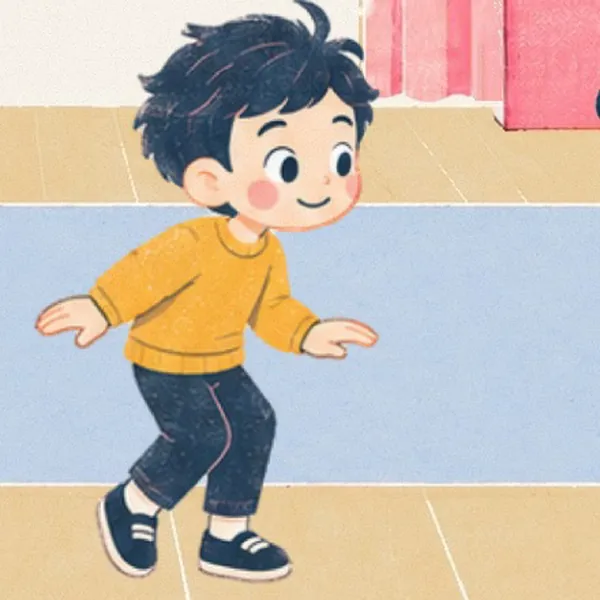
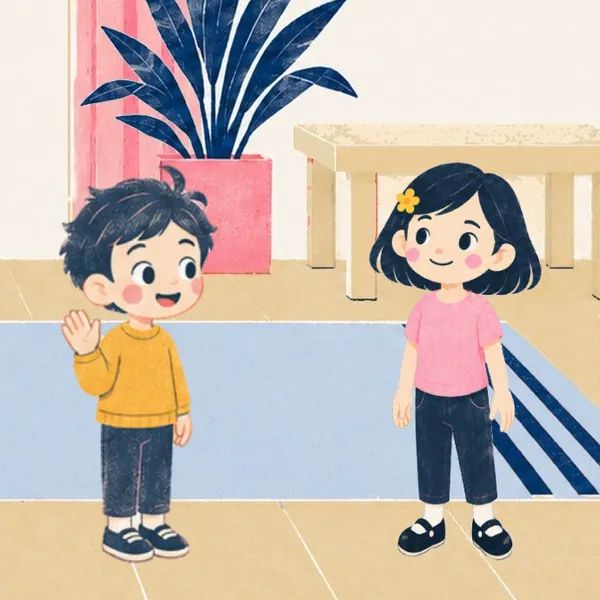
Dan waves hello to Lia in the living room. Mum smiles.
  1. On Sunday, Dan came to play at Lia's house.
  2. DanHello, Lia!
  3. LiaHi, Dan! Come in!
  4. Then something small ran into the house.
  5. LiaWhat was that?
  6. DanA cat! A little grey cat!
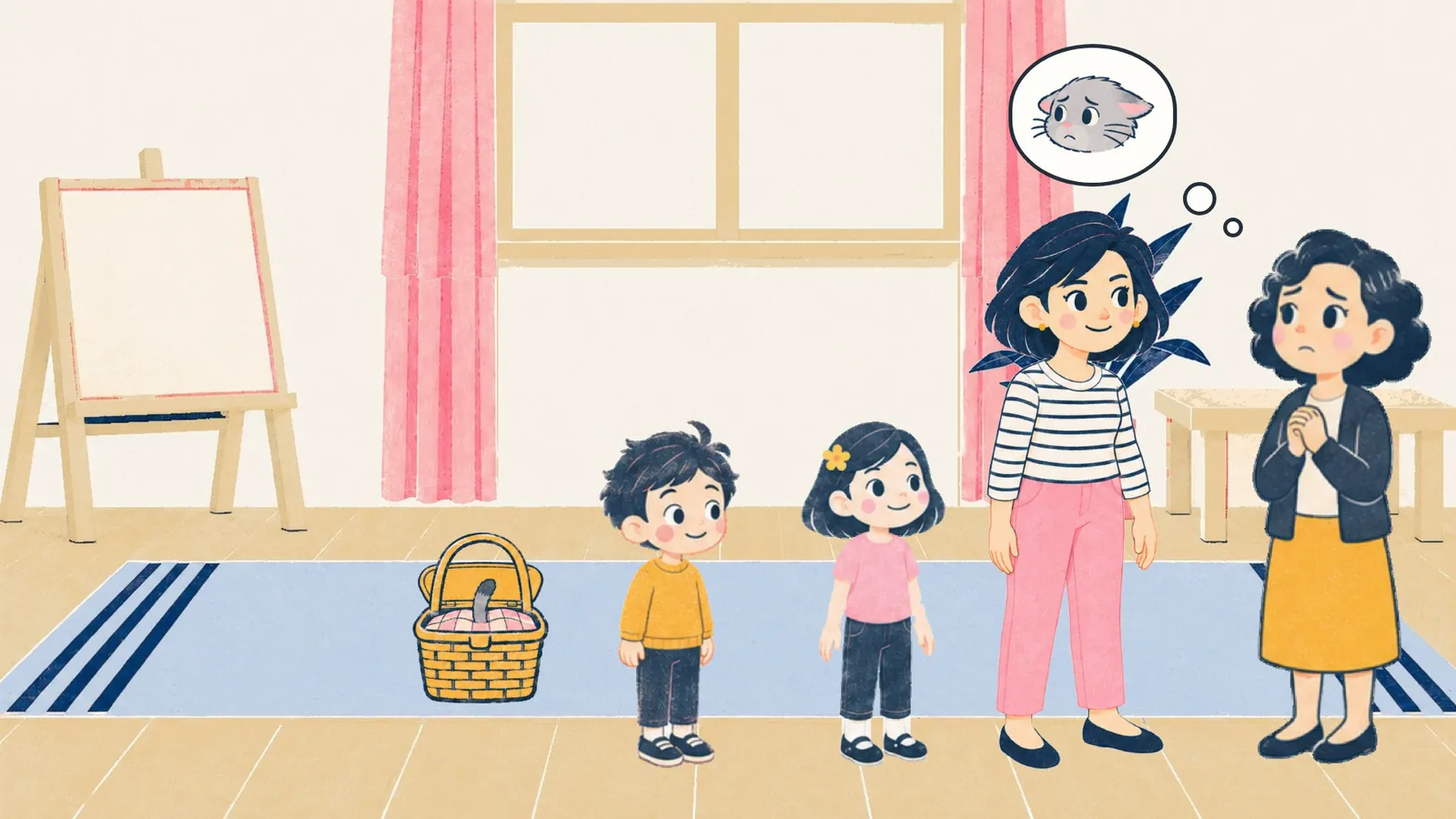
Clare looks worried. She is thinking about her kitten. Mum, Lia and Dan listen.
  1. Then their neighbour Clare came to the door.
  2. "My kitten ran into your house!" said Clare.
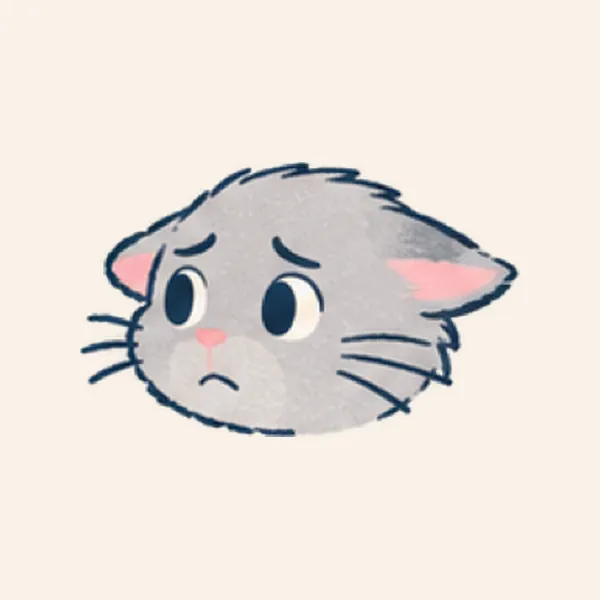
  3. "She's frightened. Please help me!"
  4. MumDon't worry, Clare. We can look for her.
  5. Clare waited at the door.
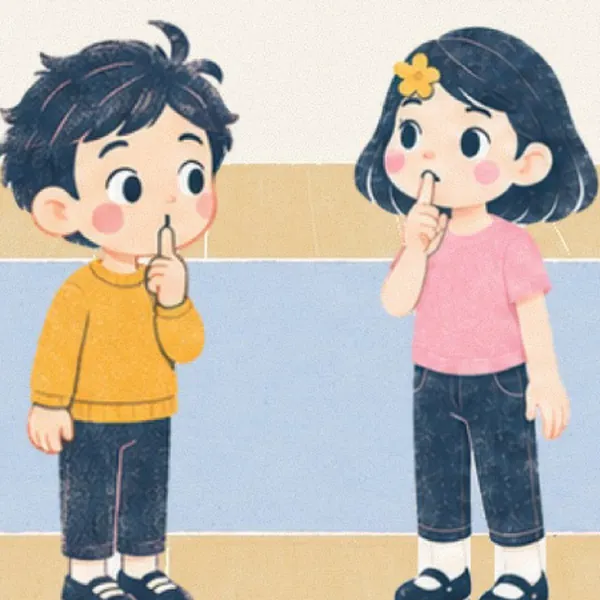
  6. LiaShh!
  7. LiaWe must be quiet because she's frightened.
Scan to listen
Where Is the Kitten? · Story Time with Lia · liabooks.com/study2
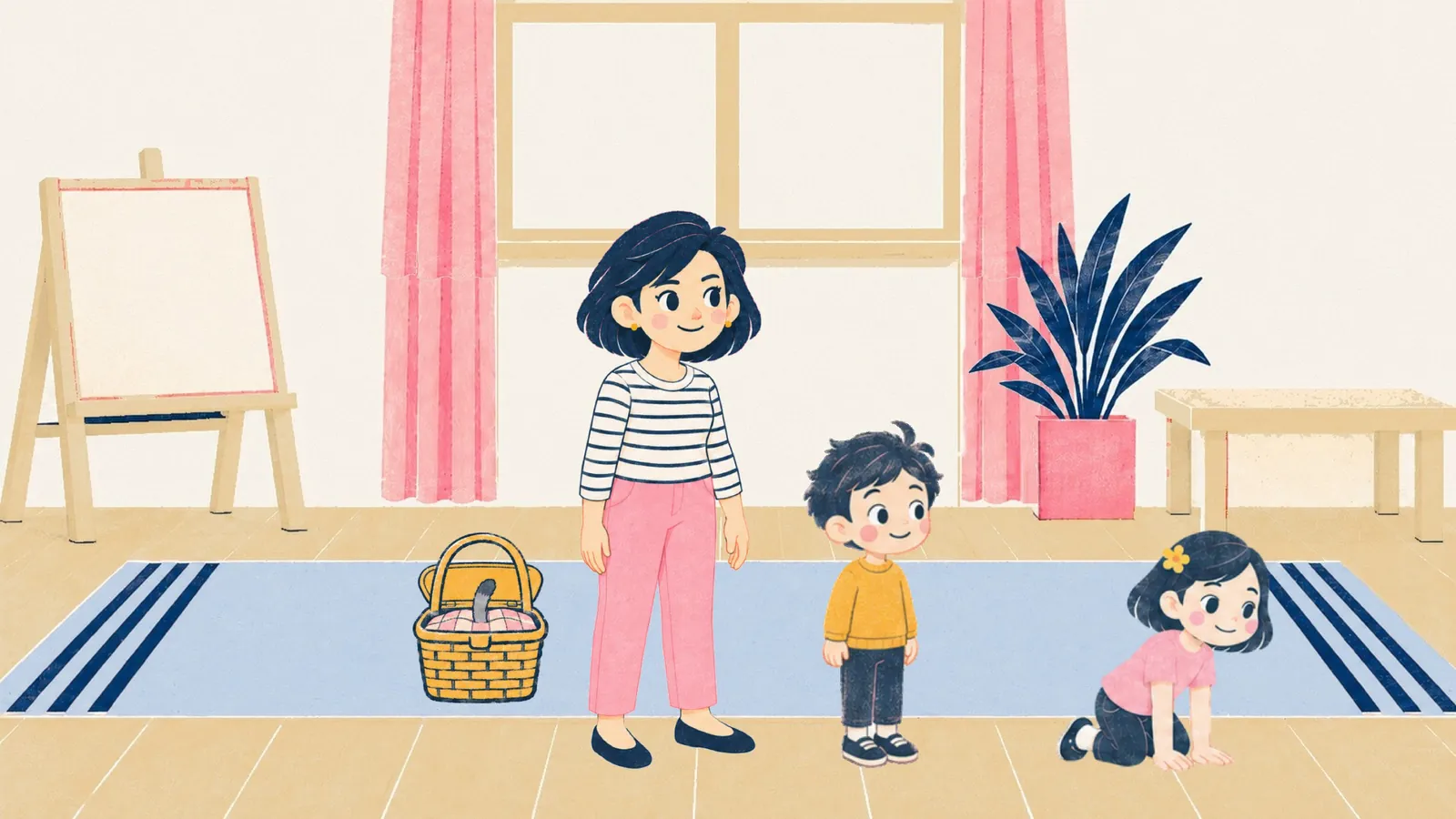
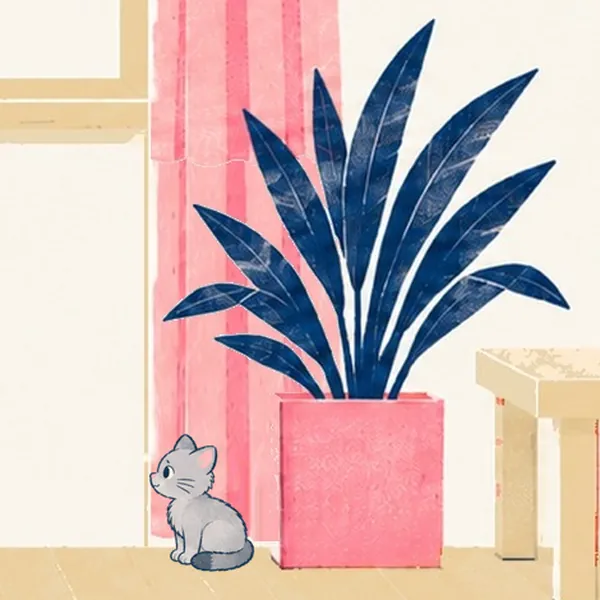
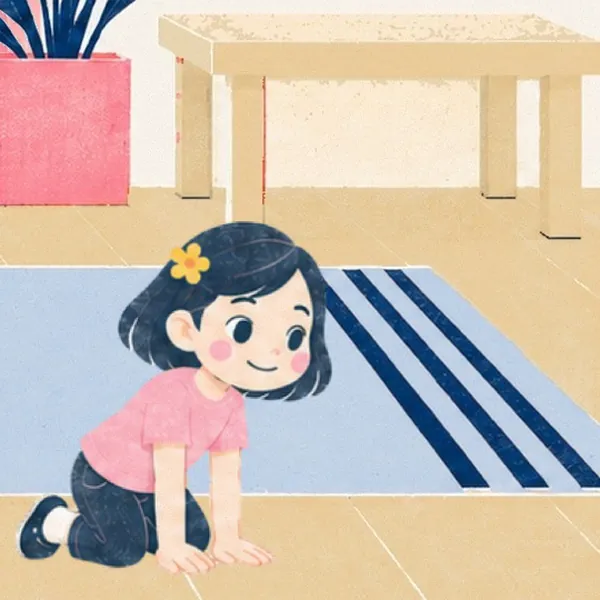
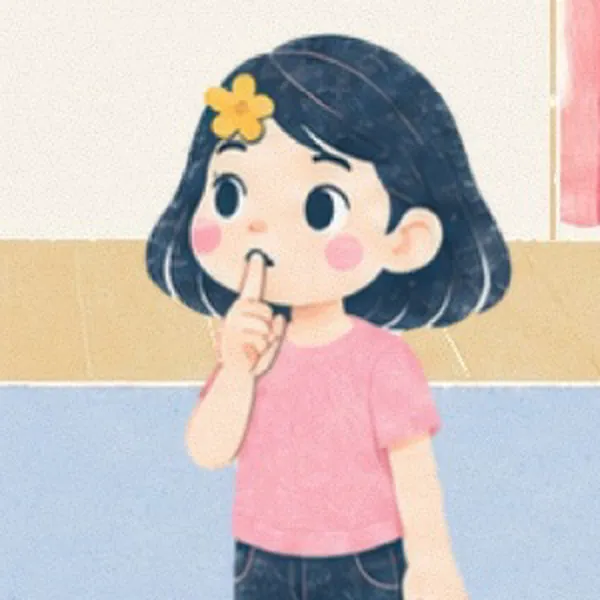
Mum, Dan and Lia look for the kitten in the living room. Lia kneels on the rug.
  1. They looked for the kitten. They walked very quietly.
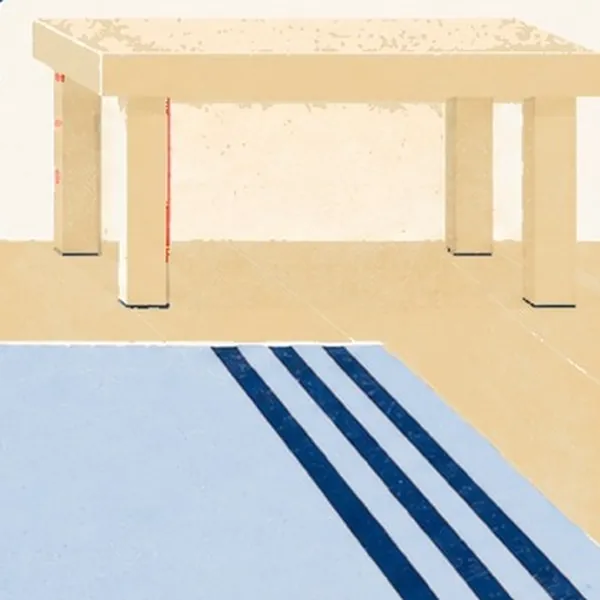
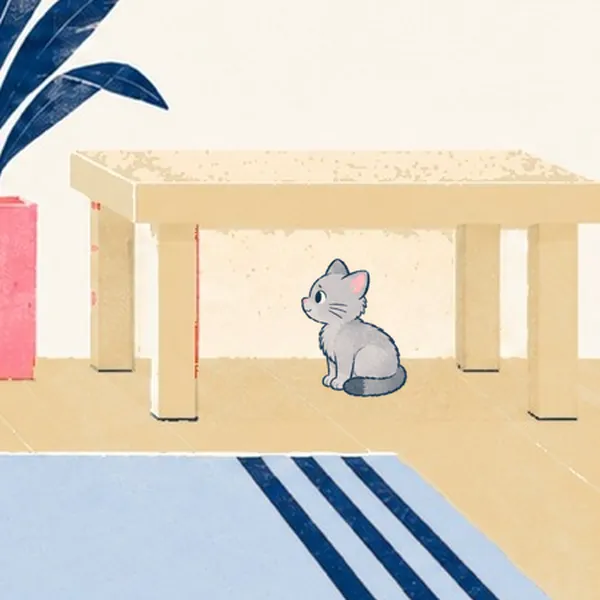
  2. DanIs she under the table?
  3. LiaNo, she isn't under the table.
  4. MumIs she behind the curtain?
  5. DanNo, she isn't behind the curtain.
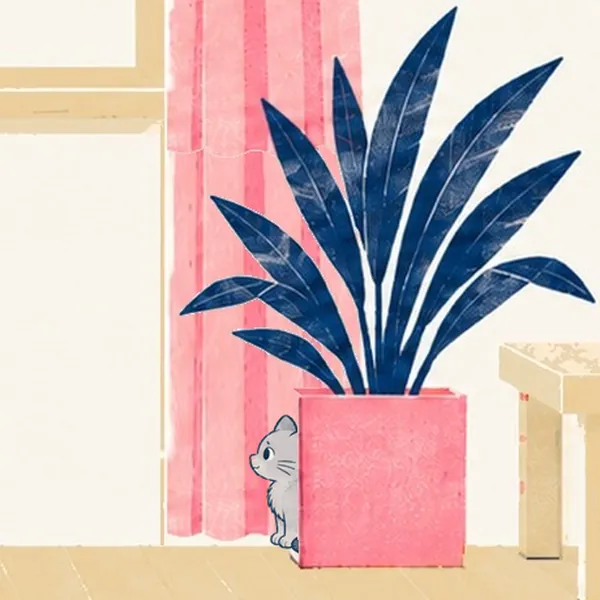
  6. LiaIs she next to the plant?
  7. MumNo, she isn't.
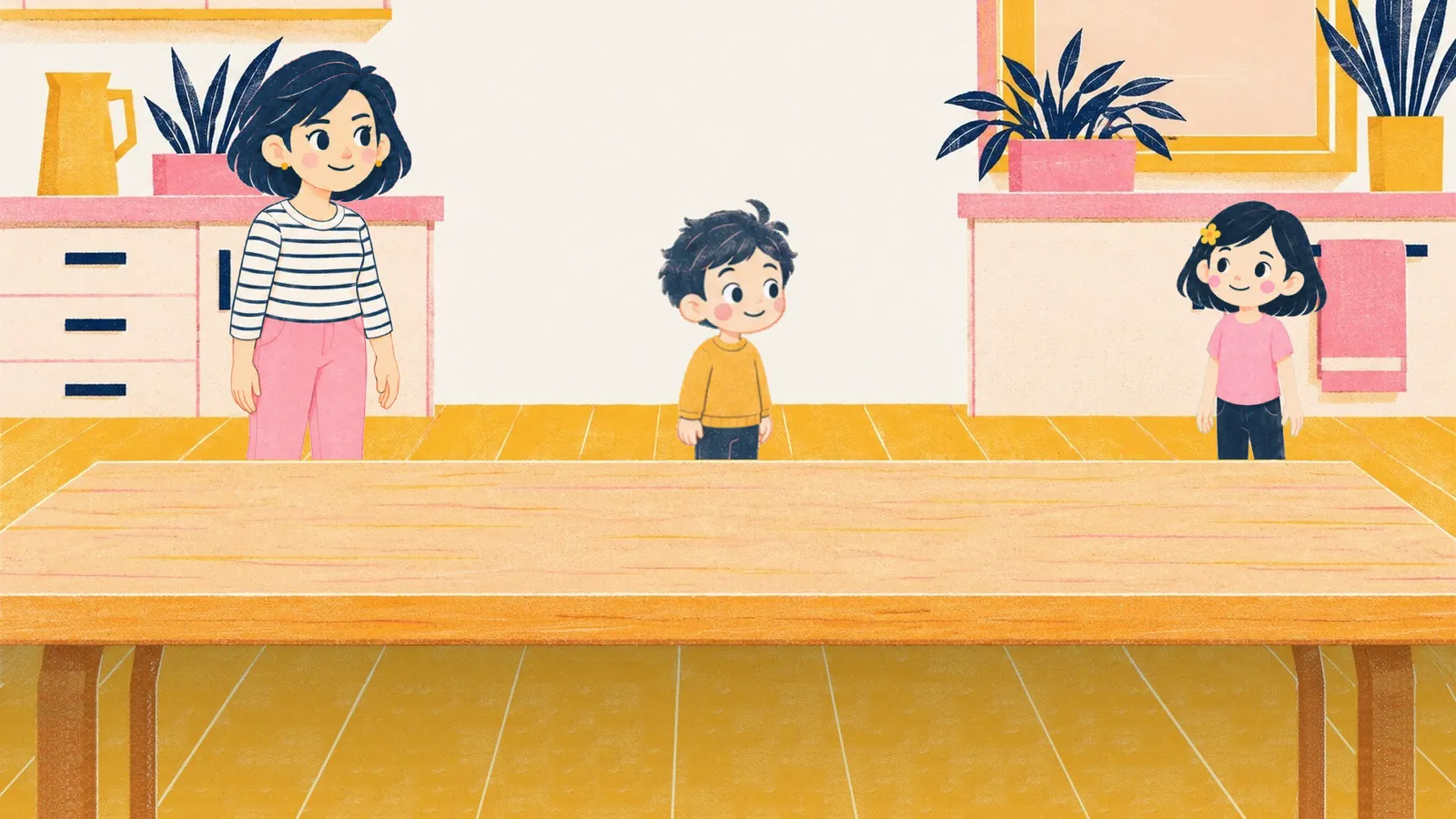
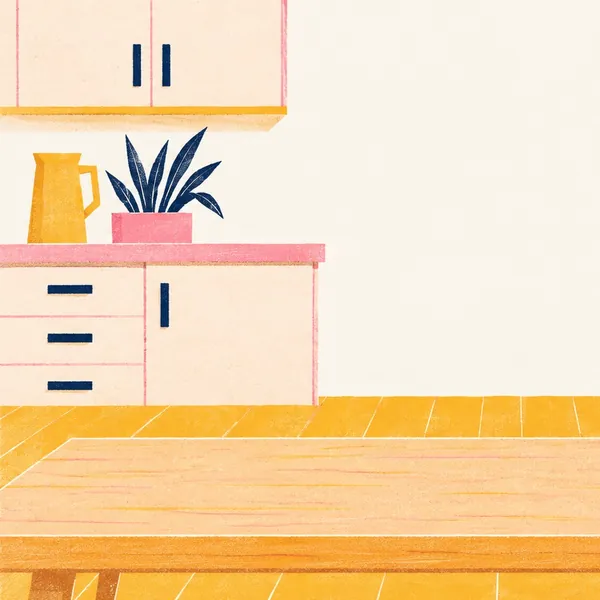
In the kitchen, Mum, Dan and Lia stand behind a big table.
  1. They went into the kitchen.
  2. MumIs she in the cupboard?
  3. LiaNo, she isn't in the cupboard.
  4. LiaIs she on the table?
  5. DanNo. Is she under the table?
  6. LiaNo. She isn't here.
  7. DanOh dear. Where is she?
Scan to listen
Where Is the Kitten? · Story Time with Lia · liabooks.com/study3
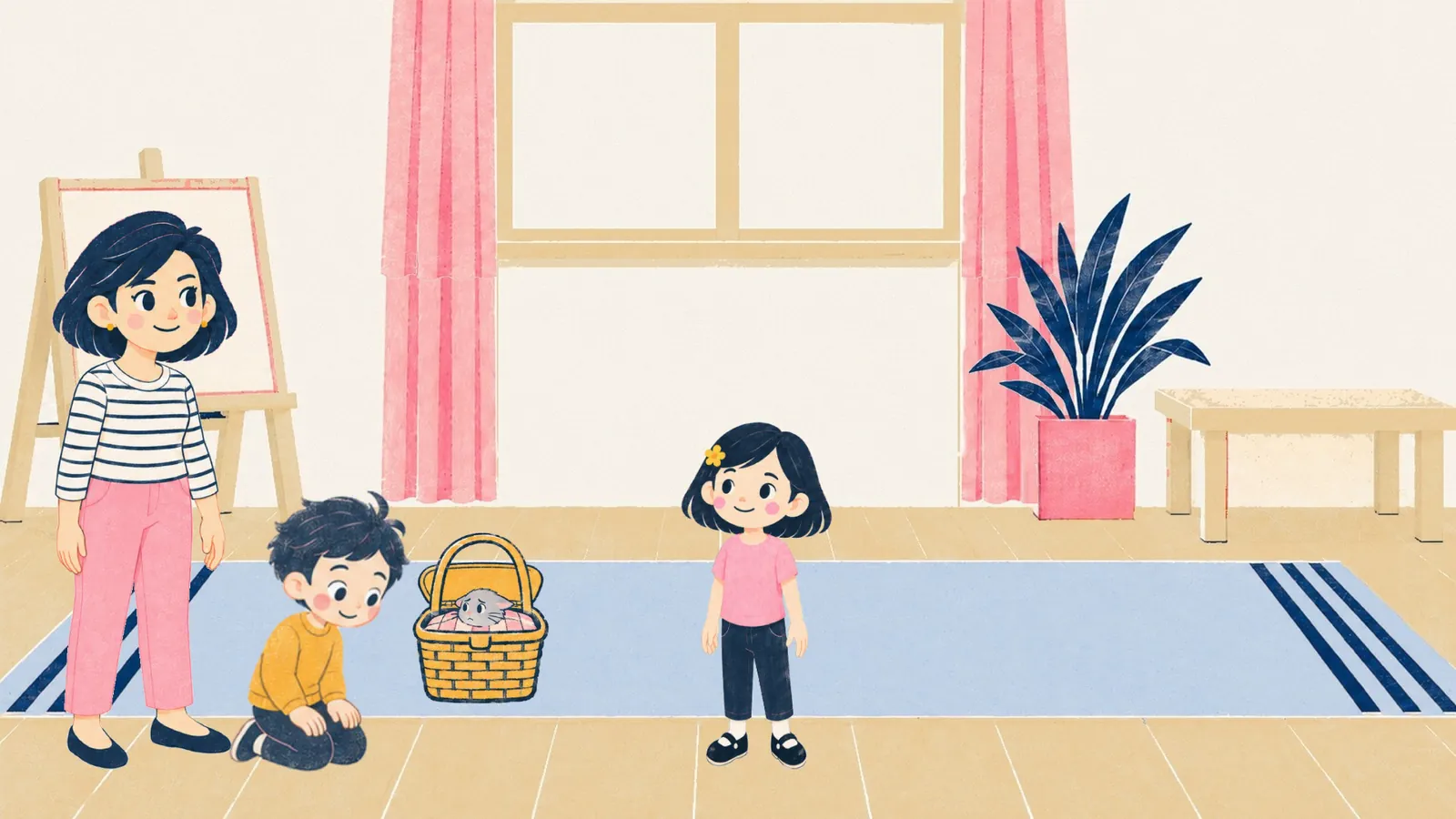
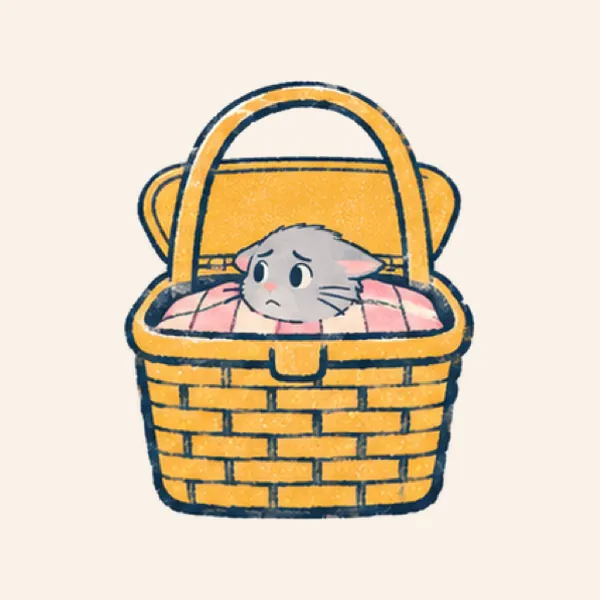
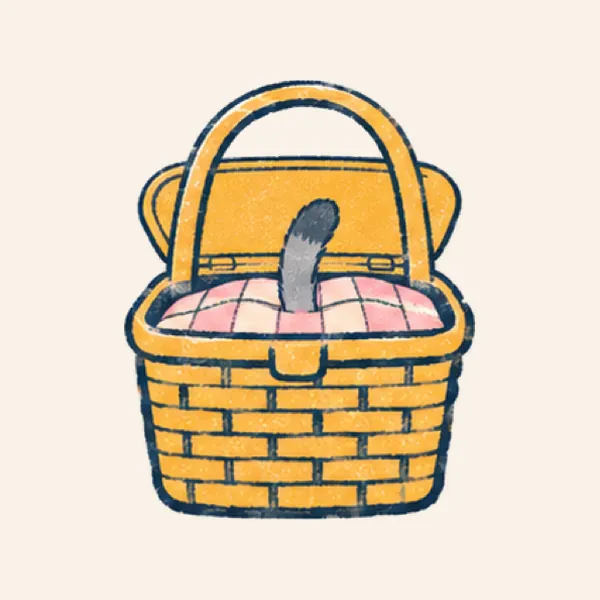
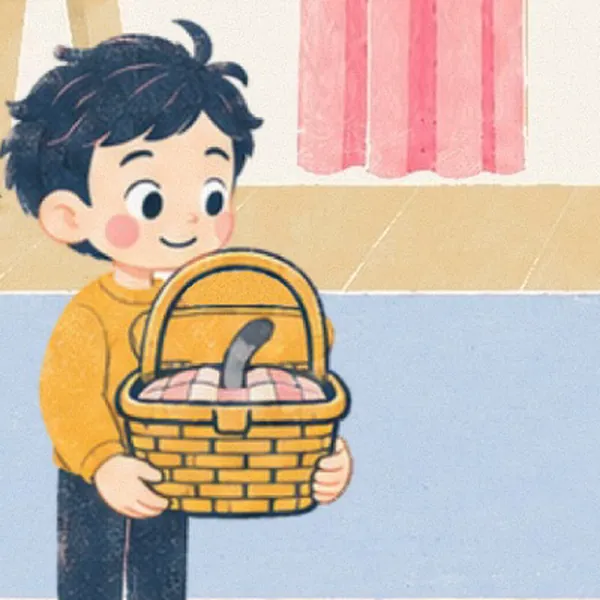
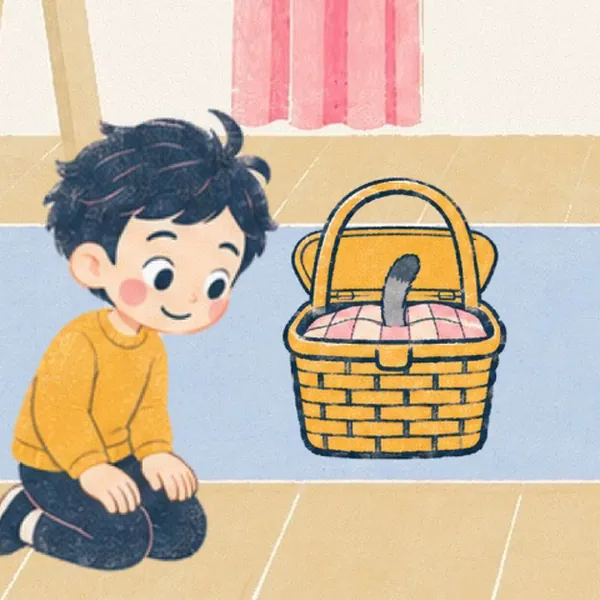
Dan kneels by the basket. A little grey head comes up from the blanket.
  1. They went back to the living room.
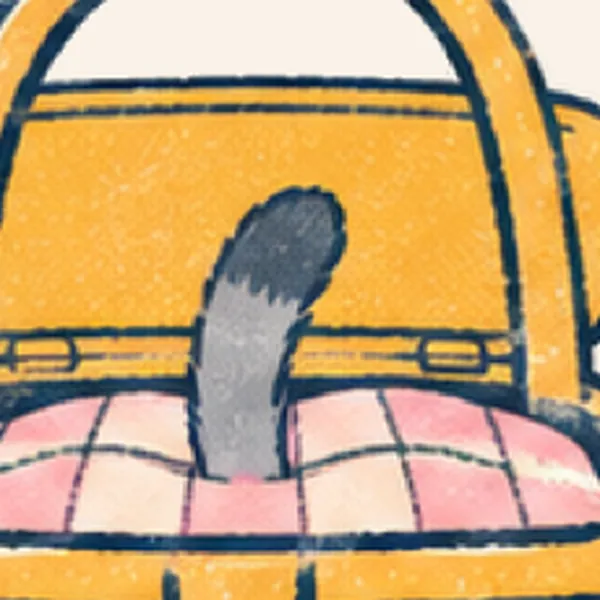
  2. Then Dan saw a little grey tail.
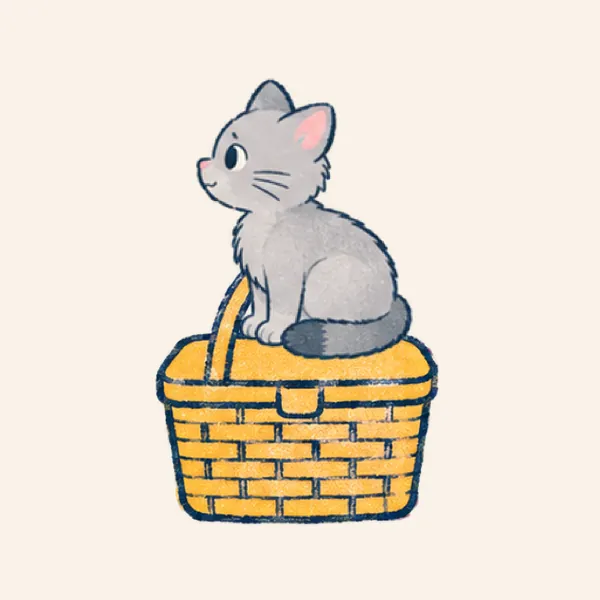
  3. DanLook! She's on the basket!
  4. The blanket moved. A little head came up.
  5. LiaOn is on top. In is inside.
  6. DanOh! She isn't on the basket. She's in the basket!
  7. LiaYes, she is! In the basket, under the blanket!
  8. Dan picked up the basket very carefully.
Scan to listen
Where Is the Kitten? · Story Time with Lia · liabooks.com/study4
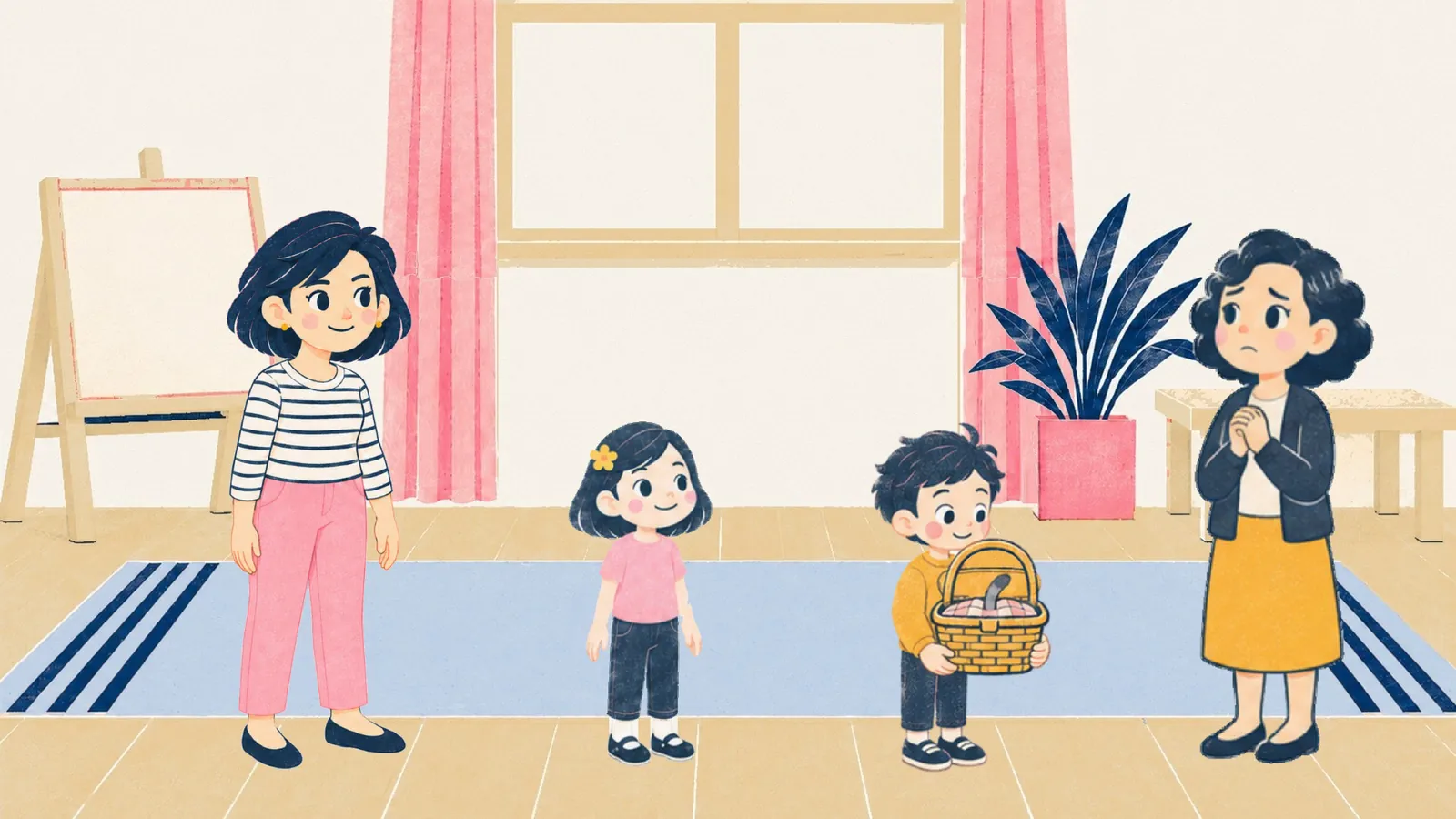
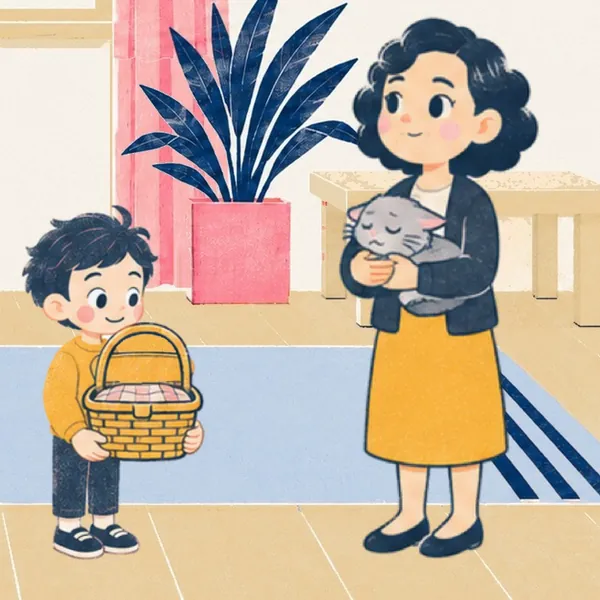
Dan holds the basket. Clare looks at him.
  1. They went to the door. "Did you find her?" asked Clare.
  2. DanYes, we did!
  3. "Where was she?" asked Clare.
  4. DanShe was in the basket, under the blanket.
  5. LiaI think she hid because she was frightened.
  6. "Thank you, Dan and Lia!" said Clare.
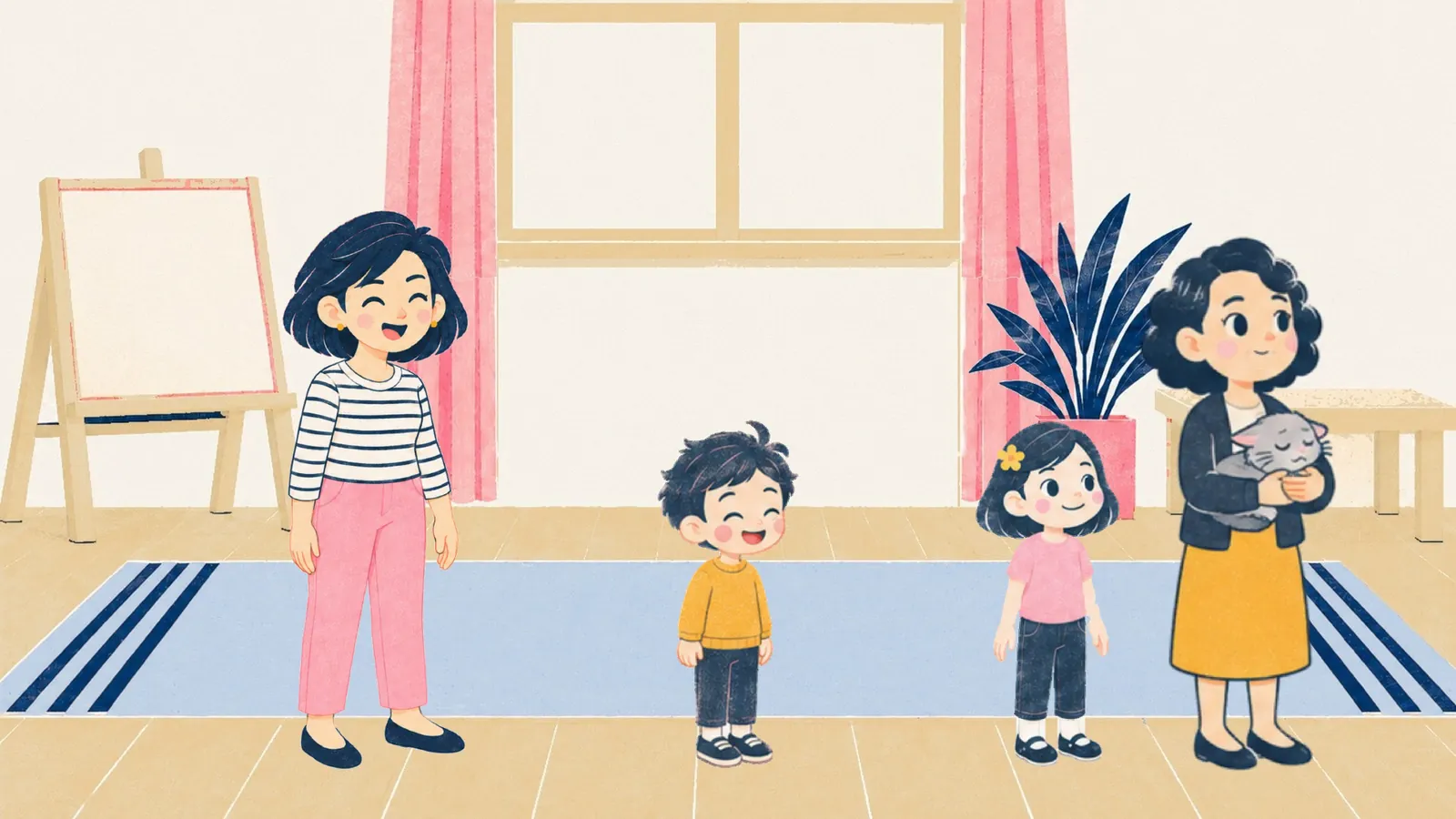
Clare takes her kitten home. Lia and Dan smile.
  1. Clare took her kitten home.
  2. LiaYou found her, Dan!
  3. DanWe found her!
  4. It was a very happy Sunday.
Scan to listen
Where Is the Kitten? · Story Time with Lia · liabooks.com/study5
Word cards

Key words

Fold each card on the middle line: picture on top, word below.

  • kitten
  • tail
  • basket
  • table
  • in
  • on
  • under
  • behind
  • next to
  • look for
  • quiet
  • frightened
  • hid (hide)
  • little
  • grey
  • plant
Say it!Is she the ? No, she isn't. / Yes, she is!

Paper kitten · cut it out. Put it in, on, under, behind or next to a cup.

  • A paper kitten to cut out.
Scan to listen
Where Is the Kitten? · Story Time with Lia · liabooks.com/study6
Word cards

More words and speech bubbles

  • quietly
  • carefully
  • must
  • cupboard
  • kitchen
  • living room
  • found (find)
  • saw (see)
  • came (come)
Say it!She was the , the .
Say it!We must because .
Say it!Did you ? Yes, we did!
Say it!I think because .
Say it!On is on top. In is inside.
Scan to listen
Where Is the Kitten? · Story Time with Lia · liabooks.com/study7
Part 2

Play script

Read it twice. Swap parts.

Scene 3
  1. They looked for the kitten. They walked very quietly.
  2. DanIs she under the table?
  3. LiaNo, she isn't under the table.
  4. MumIs she behind the curtain?
  5. DanNo, she isn't behind the curtain.
  6. LiaIs she next to the plant?
  7. MumNo, she isn't.
Scene 4
  1. They went into the kitchen.
  2. MumIs she in the cupboard?
  3. LiaNo, she isn't in the cupboard.
  4. LiaIs she on the table?
  5. DanNo. Is she under the table?
  6. LiaNo. She isn't here.
  7. DanOh dear. Where is she?
Scene 5
  1. They went back to the living room.
  2. Then Dan saw a little grey tail.
  3. DanLook! She's on the basket!
  4. The blanket moved. A little head came up.
  5. LiaOn is on top. In is inside.
  6. DanOh! She isn't on the basket. She's in the basket!
  7. LiaYes, she is! In the basket, under the blanket!
  8. Dan picked up the basket very carefully.

Our hiding game

Where was your toy? Write it.

  1. My toy was
Scan to listen
Where Is the Kitten? · Story Time with Lia · liabooks.com/study8
Part 3

Tell the story

  • Dan comes to play at Lia’s house.came (come)
  • They look for the kitten in the living room.underbehindnext to
  • Dan finds the kitten.tailin
  • Dan tells Clare.found (find)

First · Then · because

Scan to listen
Where Is the Kitten? · Story Time with Lia · liabooks.com/study9
Part 3 · Part 4

Clare's card

Dear Dan and Lia

from Clare
  1. line 1On Sunday, my kitten ran into your house.
  2. line 2I said, "She's frightened. Please help me!"
  3. line 3Then I waited at the door.
  4. line 4Lia's mum said, "We can look for her."
  5. line 5You looked for her very quietly.
  6. line 6Lia told me what happened.
  7. line 7Dan looked behind the curtain.
  8. line 8Lia looked under the table.
  9. line 9Then Dan saw her little grey tail.
  10. line 10He said, "She's on the basket!"
  11. line 11Lia said, "On is on top. In is inside."
  12. line 12Dan looked again. Then he said, "She's in the basket!"
  13. line 13Then you came to the door.
  14. line 14Dan said, "She was in the basket, under the blanket."
  15. line 15Now she sleeps on the rug next to my window.
  16. line 16Thank you for finding her! You are kind friends.
  • window
  • rug
  • curtain
Scan to listen
Where Is the Kitten? · Story Time with Lia · liabooks.com/study10
Part 3 · Part 4

Find it!

Part 3Is it true? Say Yes or No. Find it in the story.

  1. 1Clare's kitten ran into Lia's house. (page 2)YesNo
  2. 2Clare went to her garden. (page 2)YesNo
  3. 3They looked for the kitten quietly. (page 3)YesNo
  4. 4The kitten was in the cupboard. (page 3)YesNo
  5. 5The kitten was on the basket. (page 4)YesNo
  6. 6Clare said thank you to Dan and Lia. (page 5)YesNo

Part 4How does it end? Find it in Clare's card.

  1. 1Dan looked behind the … (line 7)cupboardcurtainwindow
  2. 2Then Dan saw her little grey … (line 9)tailtableplant
  3. 3She was in the basket, under the … (line 14)tableplantblanket
1

Part 4 · if there is time: Circle the right spelling.

a
kitenkittenkittin
b
underundarunda
c
bihindbehinedbehind
d
tabeltabletayble
e
quietqwietquiat
f
tialtayltail
Scan to listen
Where Is the Kitten? · Story Time with Lia · liabooks.com/study11
Part 4

Spelling and words

Look, say, cover, write, check

Look and sayCover and writeCheck
under
behind
table
kitten
quiet

Step 1 · Write the word. Word box: table · tail · basket · kitten · plant · blanket

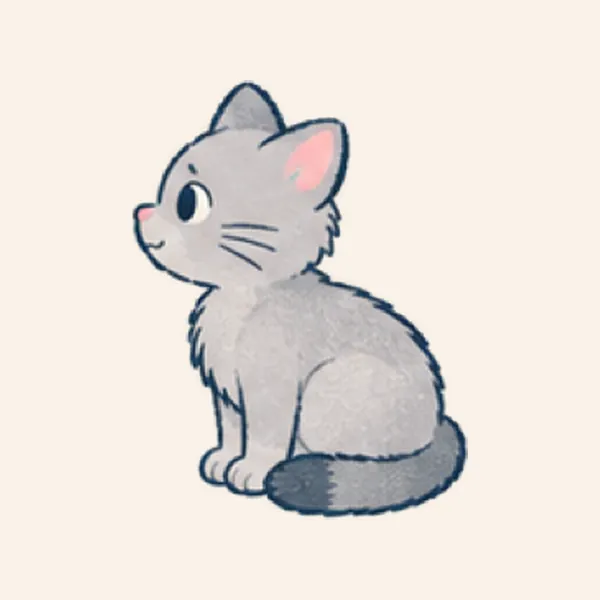
  • A kitten.
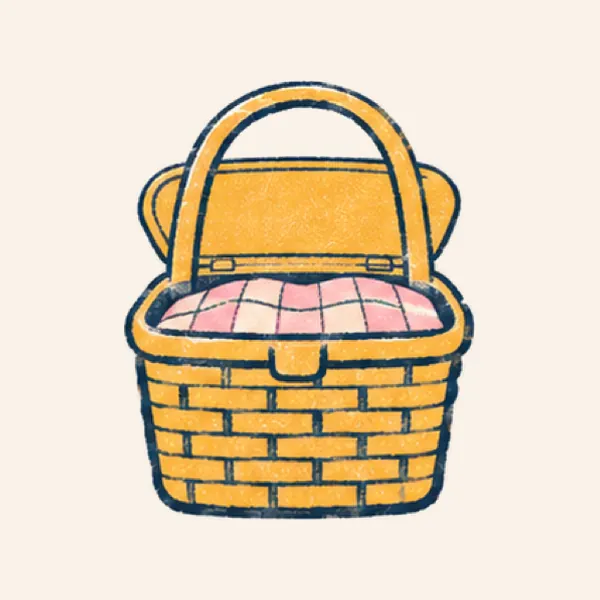
  • A basket.
  • A blanket.
  • A table.
  • A plant.
  • A tail.

Step 2 · Finish the sentence.

  • The kitten looks out.1
  • Lia kneels down and looks.2
  • The kitten has flat ears.3
  1. 1. The kitten was in the
  1. 2. Is she under the
  1. 3. We must be quiet because she's
Scan to listen
Where Is the Kitten? · Story Time with Lia · liabooks.com/study12
Part 4

Picture writing

Step 3 · Write about the picture.

  • Mum, Dan and Lia in the living room.

Choose one way: copy The basket is on the rug. · fill the gap Mum is next to the ___. · on my own. Word box: in · on · under · next to · basket · rug · plant

Step 4 · Tell the story of the 3 pictures. Use First, Then and because.

  • They look for the kitten in the living room.
  • Dan finds the kitten.
  • Dan tells Clare.

Look at the story first. Then close it and write.

  1. First

I wrote ___ words!

Scan to listen
Where Is the Kitten? · Story Time with Lia · liabooks.com/study13
Parts 1–5

How did I do?

Colour one face for each line.

  • Part 1 · I can name 8 things in a home.그림을 보고 집 안 물건 · 방(table · cupboard · kitchen · living room · plant · basket · blanket · tail · curtain · window · rug) 8개 이상을 가리키며 영어로 말했어요.絵を見て、家の中の物や部屋(table・cupboard・kitchen・living room・plant・basket・blanket・tail・curtain・window・rug)を8つ以上指さして英語で言えました。看着图,指出8样以上家里的东西或房间(table、cupboard、kitchen、living room、plant、basket、blanket、tail、curtain、window、rug),并用英语说出来。看著圖,指出8樣以上家裡的東西或房間(table、cupboard、kitchen、living room、plant、basket、blanket、tail、curtain、window、rug),並用英文說出來。
  • I can show in, on and under.종이 고양이를 부모가 말한 자리(in · on · under)에 놓았어요 — 4번 중 3번.紙のねこを、おうちの人が言った場所(in・on・under)に置けました——4回中3回。把纸小猫放到家长说的位置(in、on、under)——4次中有3次放对。把紙小貓放到家長說的位置(in、on、under)——4次中有3次放對。
  • I can say "Is she under the ___?" with my grown-up.같이 읽을 때 "Is she under the ___?" 줄을 따라 말했어요.いっしょに読むとき、"Is she under the ___?" の行をまねして言えました。一起读的时候,跟着说了 "Is she under the ___?" 那几句。一起讀的時候,跟著說了 "Is she under the ___?" 那幾句。
  • Part 2 · I can ask "Is it ___ the ___?"숨기기 놀이에서 서로 다른 자리 3곳으로 물었어요.おもちゃかくしで、ちがう場所を3つ使って聞けました。在藏玩具游戏里,用3个不同的位置来问。在藏玩具遊戲裡,用3個不同的位置來問。
  • I can say "No, it isn't" and "Yes, it is!"알맞게 답했어요(두 가지 답 모두 한 번 이상).合った答え方ができました(2つの答え方をどちらも1回以上)。回答得恰当(两种回答都至少用了一次)。回答得恰當(兩種回答都至少用了一次)。
  • (Challenge) I can help Dan fix his mistake.부모가 단이 되어 대본에 없는 실수를 하면(컵 안에 있는 고양이를 두고 "It's on the cup!"), 아이가 잡아 주었고("Look again!"이나 "In is inside!") "It isn't on the cup. It's in the cup!"을 같이 말했어요.おうちの人がダンになって新しい間違いをしたら(子ねこはコップの中なのに "It's on the cup!")、お子さんが気づき("Look again!" や "In is inside!")、"It isn't on the cup. It's in the cup!" をいっしょに言えました。家长当丹、故意犯一个台词里没有的错时(小猫在杯子里,却说 "It's on the cup!"),孩子指了出来("Look again!" 或 "In is inside!"),并一起说了 "It isn't on the cup. It's in the cup!"。家長當丹、故意犯一個台詞裡沒有的錯時(小貓在杯子裡,卻說 "It's on the cup!"),孩子指了出來("Look again!" 或 "In is inside!"),並一起說了 "It isn't on the cup. It's in the cup!"。
  • Part 3 · I can read Clare's card and say Yes or No.클레어의 카드를 같이 읽고 맞다/아니다 6문항에 답했어요(말하기 · 가리키기 · 동그라미 모두 좋아요).クレアのカードをいっしょに読み、Yes/No の6問に答えました(言う・指さす・丸をつける、どれでもOK)。和你一起读了克莱尔的卡片,回答了6道 Yes/No 题(说、指或画圈都可以)。和你一起讀了克萊兒的卡片,回答了6道 Yes/No 題(說、指或畫圈都可以)。
  • I can tell the story in 3 sentences.카드를 보며 3문장 이상 말했어요("Then"을 한 번 이상).カードを見ながら3文以上言えました("Then" を1回以上)。看着卡片说了3句以上(至少用了一次 "Then")。看著卡片說了3句以上(至少用了一次 "Then")。
  • (Challenge) I can say why with "because"."Why did the kitten hide?"에 "because"로 답했어요. 이야기에 근거가 있는 이유(겁을 먹었다 · 담요 밑이 숨기 좋았다)면 체크해요."Why did the kitten hide?" に "because" で答えました。お話に根拠のある理由(こわかった・毛布の下はかくれるのにいい場所)ならチェックします。用 "because" 回答了 "Why did the kitten hide?"。理由在故事里有根据(害怕了、毯子下面好藏身)就打勾。用 "because" 回答了 "Why did the kitten hide?"。理由在故事裡有根據(害怕了、毯子下面好藏身)就打勾。
  • Part 4 · I can spell 3 words from the story.보지 않고 3개를 바르게 썼어요(under · behind · table · kitten · quiet 중).見ないで3つ正しく書けました(under・behind・table・kitten・quiet から)。不看也能正确写出3个单词(从 under、behind、table、kitten、quiet 中选)。不看也能正確寫出3個單字(從 under、behind、table、kitten、quiet 中選)。
  • I can write 1–2 sentences about where things are.그림을 보고 "The ___ is ___ the ___." 같은 문장 1–2개를 썼어요(대문자로 시작, 마침표로 끝).絵を見て "The ___ is ___ the ___." のような文を1〜2文書けました(大文字で始め、ピリオドで終わる)。看图写了1–2个像 "The ___ is ___ the ___." 这样的句子(大写字母开头,句号结尾)。看圖寫了1–2個像 "The ___ is ___ the ___." 這樣的句子(大寫字母開頭,句號結尾)。
  • I can read my sentences aloud.쓴 문장을 소리 내어 읽었어요.書いた文を声に出して読めました。把自己写的句子大声读出来。把自己寫的句子大聲讀出來。
  • (Challenge) I can write 3 sentences about 3 pictures.이야기 카드 3장(장면 3 · 5 · 6)을 보고 3문장을 썼어요("Then" 한 번 · "because" 한 번). 쓴 영어 낱말 수를 적어 두세요.お話カード3枚(場面3・5・6)を見て3文書けました("Then" を1回・"because" を1回)。書いた英語の単語の数を書いておきましょう。看3张故事卡(第3、5、6幕)写了3句(用一次 "Then"、一次 "because")。请记下写了几个英语单词。看3張故事卡(第3、5、6幕)寫了3句(用一次 "Then"、一次 "because")。請記下寫了幾個英文單字。
  • Part 5 · I can find 4 differences and say them.두 그림의 다른 점 4개 이상을 자리 낱말을 넣은 문장으로 말했어요.2枚の絵のちがいを4つ以上、場所のことばを使った文で言えました。用带位置词的句子说出两张图的4处以上不同。用帶位置詞的句子說出兩張圖的4處以上不同。
  • I can choose the odd one out and say why.다른 하나를 고르고 "because"로 이유를 말했어요.なかま外れを選んで、"because" で理由を言えました。选出不同类的一个,并用 "because" 说出理由。選出不同類的一個,並用 "because" 說出理由。
  • I can tell the story to someone.책 없이 다른 가족에게 이야기를 들려주었어요.本を見ないで、ほかの家族にお話を聞かせられました。不看书,把故事讲给另一位家人听。不看書,把故事講給另一位家人聽。

For grown-ups: minutes for each part · English words written in Step 4 (aim: about 15)

Getting readyPart 1Part 2Part 3Part 4Part 5Words
                     
  •    Part 1   Part 2   Part 3   Part 4   Part 5   Words   
Scan to listen
Where Is the Kitten? · Story Time with Lia · liabooks.com/study14
Part 5 · choose if you like

Cat facts

Cats

  1. Kittens
  2. line 1A kitten is a baby cat.
  3. line 2Kittens like to play.
  4. line 3They sleep a lot, too.
  5. line 4A cat has soft fur and a long tail.
  6. When cats are frightened
  7. line 5When a cat is frightened, it hides.
  8. line 6It goes under a bed or behind a sofa.
  9. line 7Its ears go flat.
  10. line 8Cats like quiet places.
  11. line 9Don't shout or run after a frightened cat.
  12. line 10Sit down quietly. Let the cat come to you.

Part 5Which picture?

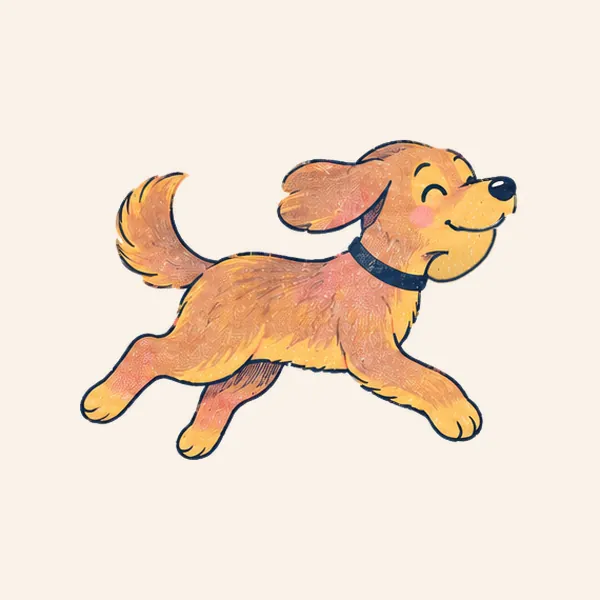
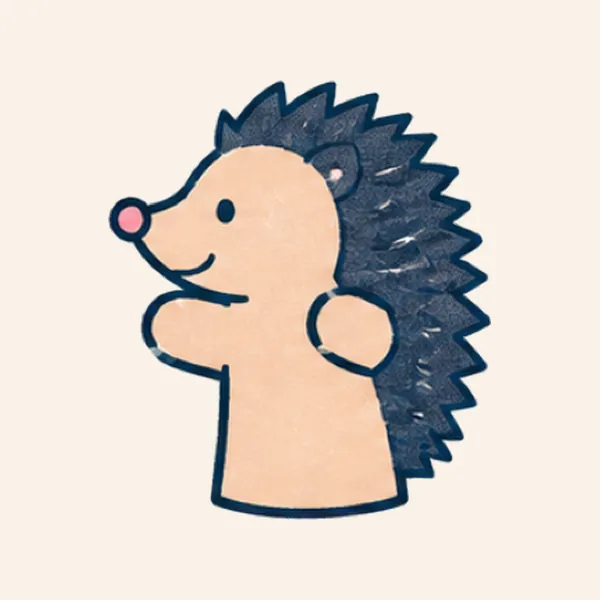
  1. 1Which one is a kitten? (line 1)A dog.A kitten.A hedgehog.
  2. 2Where does a frightened cat go? (line 6)A kitten sitting on a basket.A kitten sitting on a rug.A kitten hiding under a blanket in a basket. Only its tail shows.
  3. 3Which cat is frightened? (line 7)A kitten with flat ears.A kitten sitting.A kitten sitting on a rug.

Part 5Who said it? Find it in Clare's card.

  1. 1Who said "Please help me!"? (line 2)Dan.Clare.Lia.
  2. 2Who said "We can look for her"? (line 4)Mum.Lia.Clare.
  3. 3Who said "On is on top"? (line 11)Dan.Mum.Lia.
  4. 4Who said "She was in the basket"? (line 14)Lia.Dan.Mum.
Scan to listen
Where Is the Kitten? · Story Time with Lia · liabooks.com/study15
Part 5 · choose if you like

Spot and choose

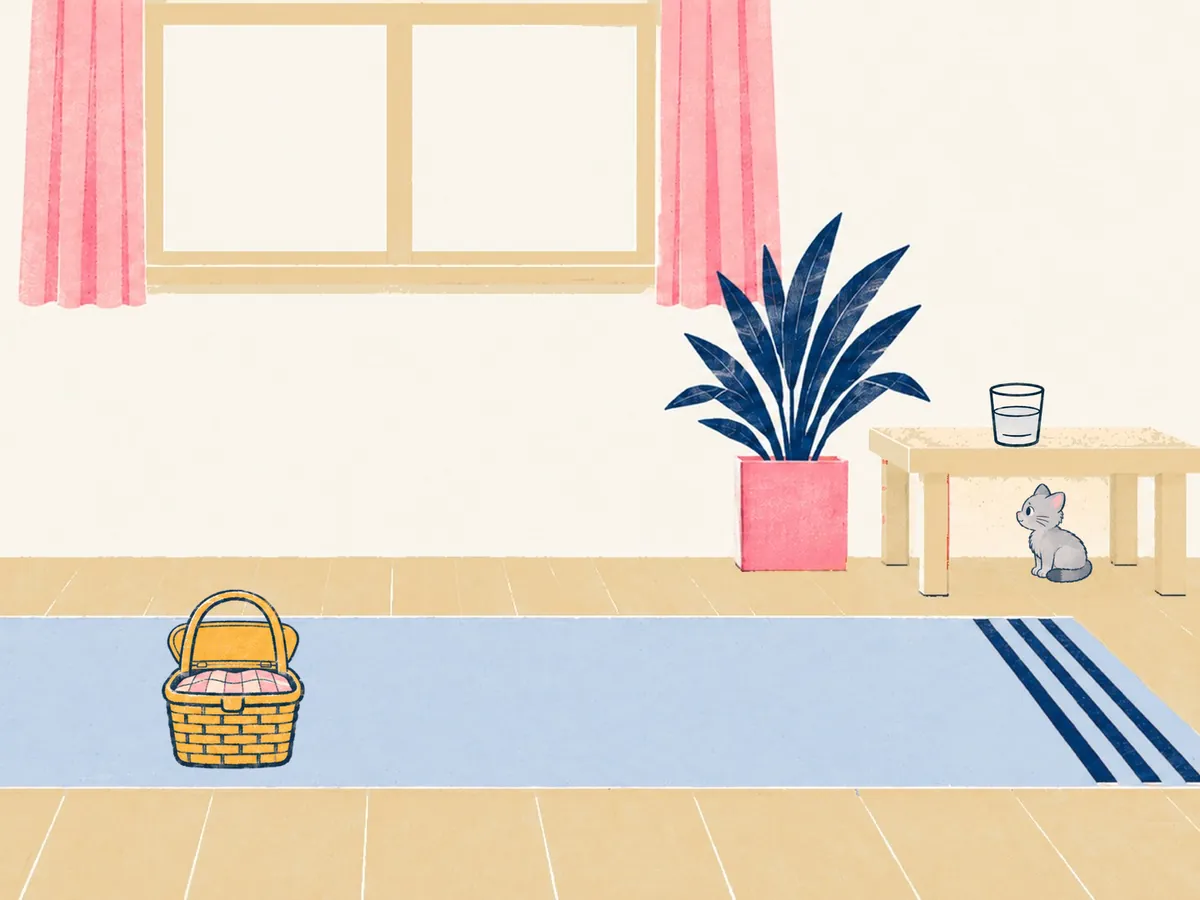
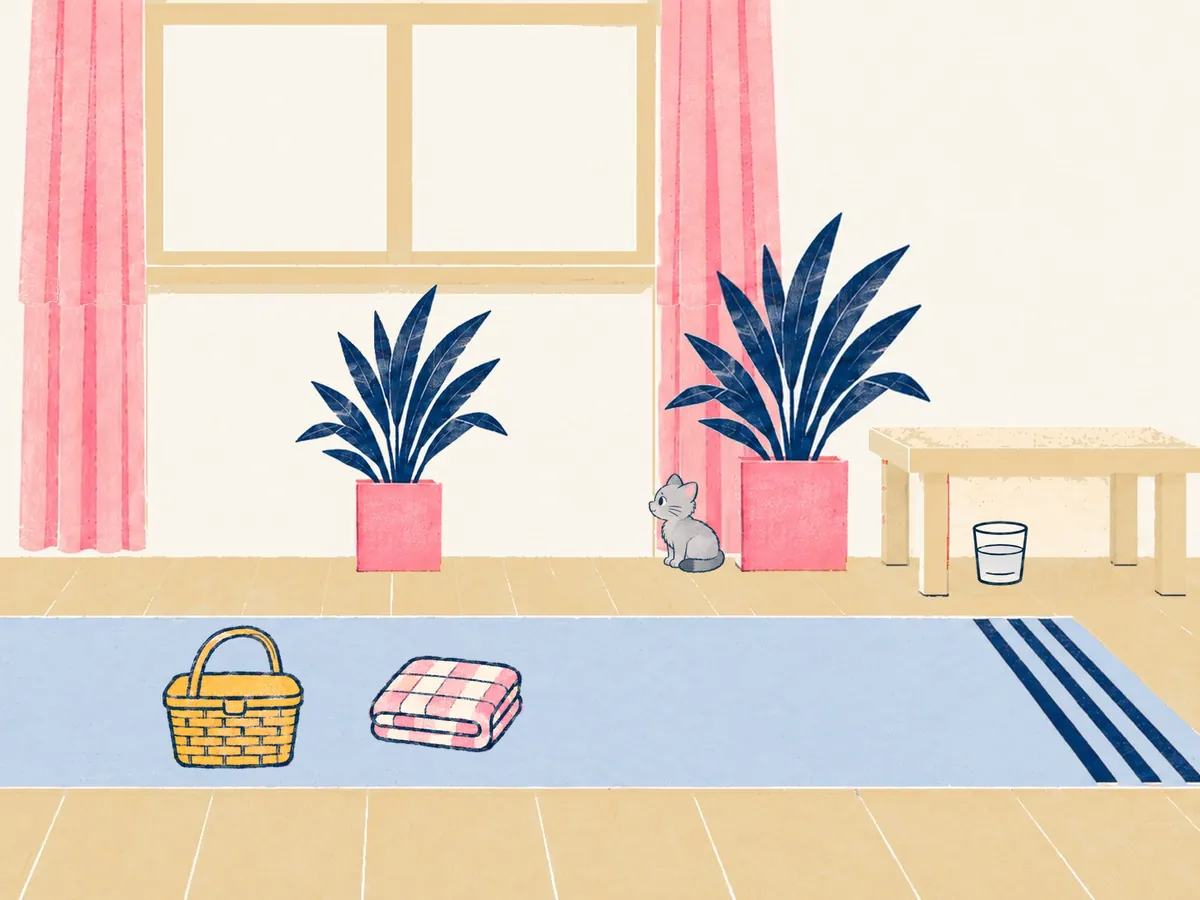
What is different? Find 6 things.

  • Living room picture A.A
  • Living room picture B.B

Which one is different? Say why with "because".

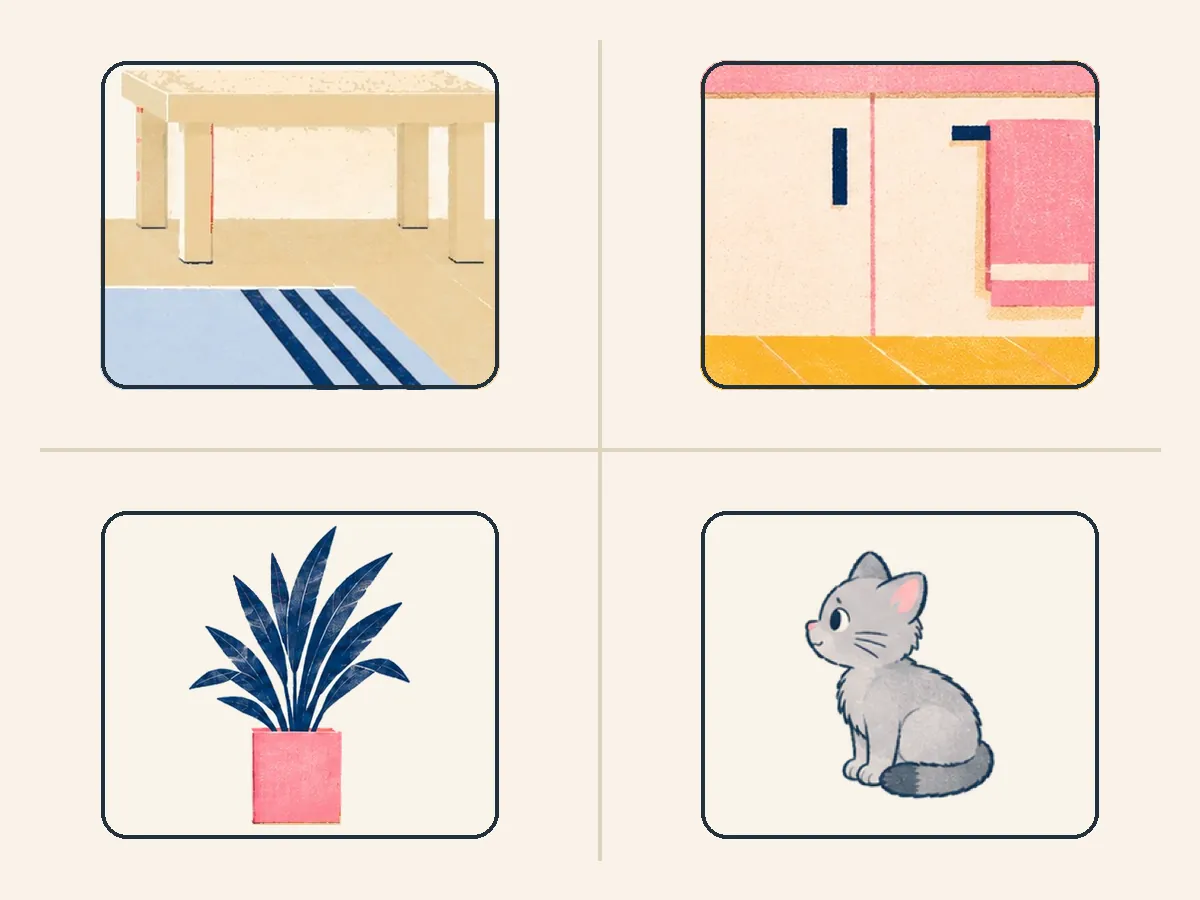
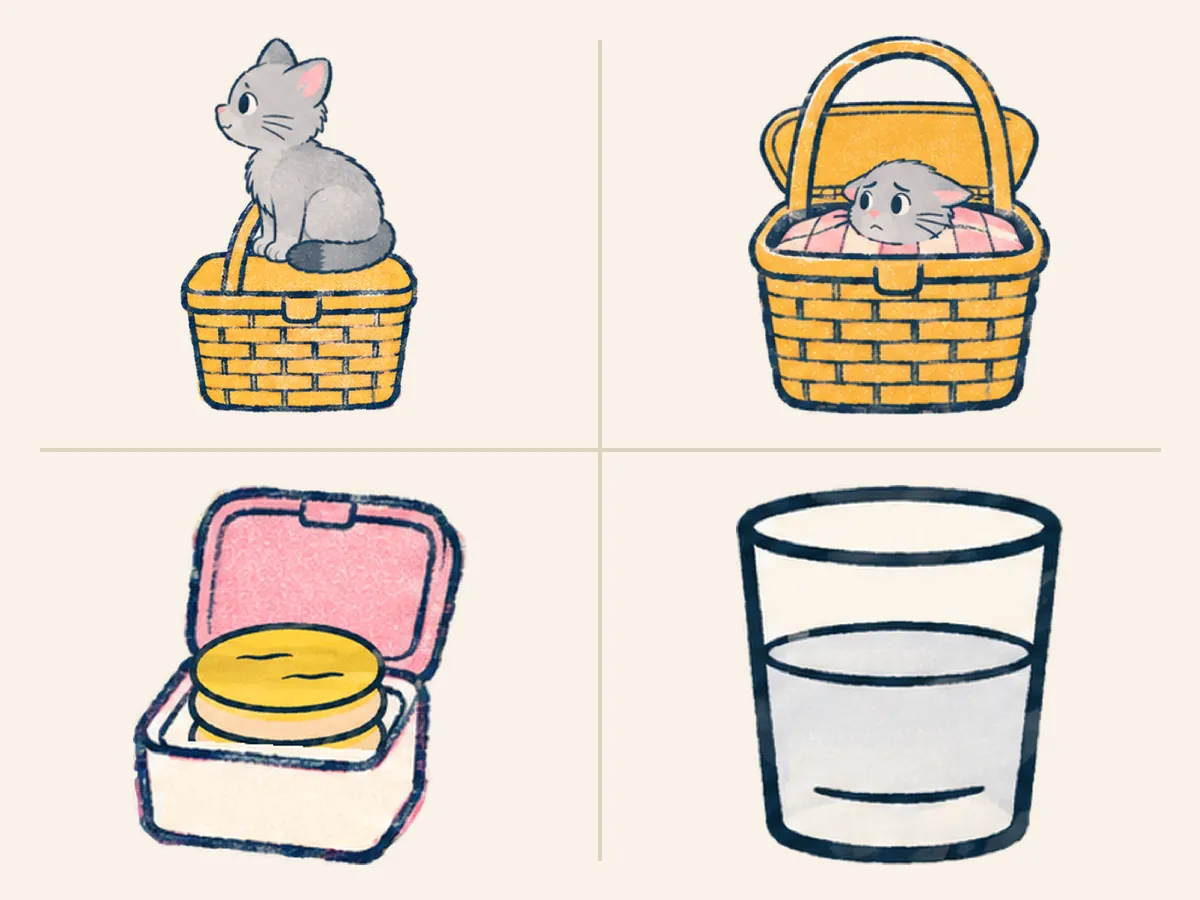
  • Set 1: a table, a cupboard, a plant and a kitten.Set 1
  • Set 2: two kittens with baskets, a box with food and a glass with water.Set 2
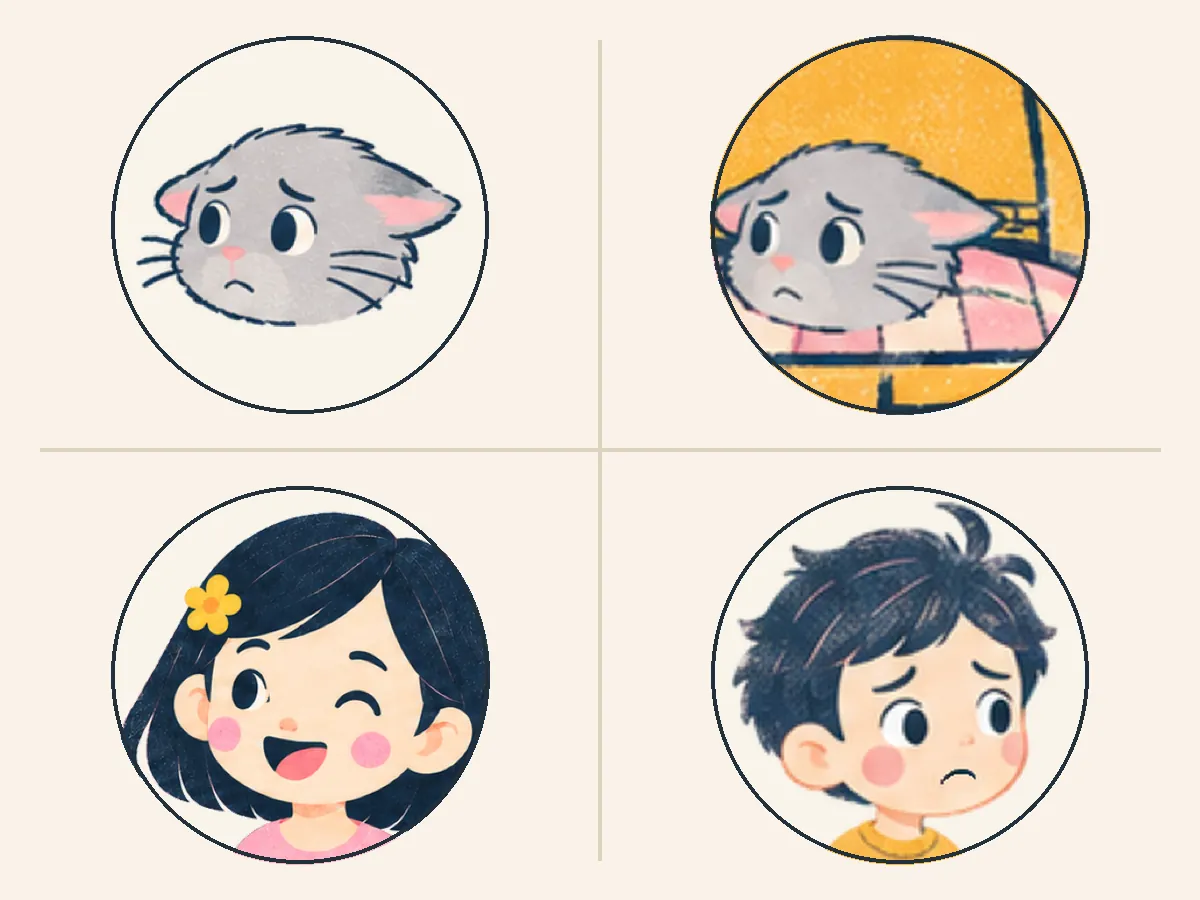
  • Set 3: four faces — a kitten, a kitten in a basket, Lia and Dan.Set 3

My own hiding game

Say it first. Then write. Not sure how to spell it? Draw it and say it.

  1. I hid my toy
  1. My grown-up looked
Scan to listen
Where Is the Kitten? · Story Time with Lia · liabooks.com/study16

준비(약 15분, 1회 전에)

  • 1–14쪽과 이 카드를 인쇄해요. 15–16쪽은 5회(선택)에 써요.
  • 낱말 카드 · 말풍선 카드 · 이야기 카드 · 종이 고양이를 오려요(아이와 함께 해도 좋아요).
  • 1회에 쓸 컵과 상자를 찾아 두고, 2회에 숨길 작은 장난감 하나를 골라요.
  • 아이는 1회 전에 영상을 한 번 봐요.
  • 이번 주에 아이가 말할 문장은 두 가지예요: "Is she under the table? — No, she isn't."와 "She was in the basket, under the blanket." 나머지 문장은 듣고 따라 하면 돼요.
  • 걸린 시간(분)을 14쪽에 적어요.

오릴 시간이 없으면 1회는 오리지 않은 6–7쪽으로 해도 돼요.

도움 사다리: ① 가리키며 말해 주기 → ② 둘 중 고르게 묻기("Under or behind?") → ③ 첫 말 주기("She is…") → ④ 혼자. 물은 뒤에는 적어도 3초 기다려요. 막히면 한 칸 내려가고, 쉬우면 한 칸 올라가요.

틀렸을 때: "No"로 끊지 않아요. in · on · under를 헷갈리면 답을 말하지 말고 그 물건을 가리키며 "Look again!"(다시 봐 볼까?)이라고 해요. 그래도 어려우면 장면 5의 리아처럼 손으로 on과 in을 보여 줘요. 아이가 고치면 맞는 문장을 같이 한 번 더 말해요. 그 밖의 실수는 맞는 말로 한 번 되말해 주고 넘어가요.

Say it in English · Getting ready

  • Let's get ready for our kitten story!
  • Can you help me cut out the kitten?
Scan to listen

1회 · 같이 읽기(30분)

  • 0–3 그림부터 봐요. 아이가 고양이 꼬리를 찾을 수 있나요? 집에서 쓰는 언어로 이야기해도 좋아요.
  • 3–15 같이 읽기: 부모가 읽고, 아이는 단의 물음 줄과 리아 줄을 따라 해요. 영어로 읽기가 어려우면 쪽마다 QR을 찍어 소리를 따라 읽어요.
  • 15–23 낱말 카드: 먼저 가리키게 물어요("Point to the window." — 창문을 가리켜 봐), 다음엔 이름을 물어요("What's this?" — 이건 뭐야?). 이름 댈 것은 모두 그림에 있어요: table · cupboard · kitchen · living room · plant · basket · blanket · tail · curtain · window · rug.
  • 23–28 컵과 상자로 종이 고양이 놀이: 처음엔 부모가 고양이를 놓고 아이가 어디인지 말해요. 다음엔 부모가 말하고 아이가 놓아요. in과 on은 잇달아 보여 주며 리아의 말을 해요: "In is inside."(컵 안에) "On is on top."(컵을 엎어 그 위에).
  • 28–30 점검표에 체크하고, 아이는 얼굴에 색칠, 부모는 걸린 분을 적어요.

장면 5에서 "A little head came up." 다음에 멈추고 아랫줄을 손으로 가려요. 집에서 쓰는 언어로 물어요: 단이 "on"이라고 했네 — 고양이가 바구니 위에 앉아 있어, 안에 있어? 손으로 보여 주세요: 주먹 위에 편 손바닥 = on, 다른 손 안에 넣은 주먹 = in. (기대하는 답: 안에.) 그다음 이어 읽어요 — 리아가 "On is on top. In is inside."라고 말해요.

도움 사다리: ① 가리키며 말해 주기 → ② 둘 중 고르게 묻기("Under or behind?") → ③ 첫 말 주기("She is…") → ④ 혼자. 물은 뒤에는 적어도 3초 기다려요. 막히면 한 칸 내려가고, 쉬우면 한 칸 올라가요.

틀렸을 때: "No"로 끊지 않아요. in · on · under를 헷갈리면 답을 말하지 말고 그 물건을 가리키며 "Look again!"(다시 봐 볼까?)이라고 해요. 그래도 어려우면 장면 5의 리아처럼 손으로 on과 in을 보여 줘요. 아이가 고치면 맞는 문장을 같이 한 번 더 말해요. 그 밖의 실수는 맞는 말로 한 번 되말해 주고 넘어가요.

Say it in English · Part 1

  • Can you find the kitten?
  • In is inside. On is on top.
  • Let's read together. You are Dan!
  • Say it with me: Is she under the table?
  • Point to the window.
  • What's this?
  • Put the kitten in the cup.
  • Now put it on the cup.
  • Where is the kitten?
  • You found the kitten with me!
Scan to listen
Where Is the Kitten? · Story Time with Lia · liabooks.com/study

2회 · 역할 나눠 말하기 · 숨기기 놀이(30분)

  • 0–4 영상의 "Where is she?" 부분(챕터)을 다시 보거나 QR로 들어요.
  • 4–13 역할 대본을 두 번 읽어요: 처음엔 아이가 단, 다음엔 리아와 엄마. 그다음 부모가 단이 되어 대본에 없는 실수를 한 번 해요: 종이 고양이를 컵 안에 넣고 "Look! It's on the cup!"이라고 말해요. 아이가 잡아 주고 까닭도 말하게 해요("In is inside!" — 말이나 손 몸짓으로). 그다음 맞는 문장을 같이 말해요: "It isn't on the cup. It's in the cup!"
  • 13–25 숨기기 놀이: 부모가 장난감을 집 안에 숨기고, 아이가 "Is it under the sofa?"처럼 물으면 "No, it isn't." 또는 "Yes, it is!"로 답해요. 그다음 바꿔요. 집 낱말 상자: sofa · bed · chair · box · door · bag. 놀이 규칙: "You must close your eyes!"
  • 25–27 8쪽에 한 줄 쓰기: "My toy was ___ the ___."
  • 27–30 점검표와 얼굴.

오늘은 quietly · must · kitchen · living room · next to를 되도록 써 보세요("Walk quietly!", "Is it next to the door?").

도움 사다리: ① 가리키며 말해 주기 → ② 둘 중 고르게 묻기("Under or behind?") → ③ 첫 말 주기("She is…") → ④ 혼자. 물은 뒤에는 적어도 3초 기다려요. 막히면 한 칸 내려가고, 쉬우면 한 칸 올라가요.

틀렸을 때: "No"로 끊지 않아요. in · on · under를 헷갈리면 답을 말하지 말고 그 물건을 가리키며 "Look again!"(다시 봐 볼까?)이라고 해요. 그래도 어려우면 장면 5의 리아처럼 손으로 on과 in을 보여 줘요. 아이가 고치면 맞는 문장을 같이 한 번 더 말해요. 그 밖의 실수는 맞는 말로 한 번 되말해 주고 넘어가요.

Say it in English · Part 2

  • Let's listen to Dan.
  • Now you are Dan! What does Dan say?
  • Look! It's on the cup!
  • On or in?
  • In is…?
  • It isn't on the cup. It's in the cup!
  • Is it under the sofa?
  • No, it isn't.
  • Yes, it is!
  • You must close your eyes!
  • Walk quietly!
  • Where was your toy?
  • You asked so many questions!
Scan to listen

3회 · 다시 이야기하기(30분)

  • 0–3 장면 6을 들어요: 단이 클레어에게 고양이가 어디 있었는지 알려 줘요.
  • 3–6 이야기 카드 4장을 섞어 순서대로 놓아요.
  • 6–16 도움 사다리로 이야기하기: 부모 물음에 답하기("Where did they look?") → "First, Dan came…"이나 "Then Dan saw…"로 시작하기 → 혼자 세 문장. 지금 시제로 말해도 괜찮아요 — 지난 꼴로 한 번 되말해 주세요("Yes! She was in the basket."). 끝에 부모가 클레어가 되어 "Did you find her? Where was she?"라고 물으면 아이가 단처럼 답해요.
  • "Why did the kitten hide? What do you think?" 이야기에 근거가 있는 이유는 맞아요(부모용 — 아이가 먼저 생각하게): 겁을 먹었다(클레어가 말함 · 귀를 눕힘) · 담요 밑이 숨기 좋았다. 그 밖 짐작(sleepy · cold)은 "Good idea! Let's look at the picture."(좋은 생각이야! 그림에서 찾아볼까?)로 받아 줘요.
  • 16–24 10쪽 클레어의 카드를 같이 읽어요. 영어로 읽기가 어려우면 QR을 찍어 들어요. 아이는 단이 한 말이 든 줄을 읽어요. waited · looked · said를 가리키며 물어요: 고양이 이야기는 지금 일이야, 끝난 일이야? 아이가 답하면: 끝났으니까 클레어는 look이 아니라 looked로 써요.
  • 24–28 11쪽 맞다/아니다를 소리 내어: 부모(또는 QR)가 한 문장씩 읽고, 아이는 Yes나 No를 말한 뒤 이야기 속 줄이나 그림을 가리켜요. 동그라미는 해도 되고 안 해도 돼요. No라고 하면 "What does the story say?"라고 물어요. 아이가 맞는 말을 해요. 답은 이 카드 아래에 있어요.
  • 28–30 점검표와 얼굴.

카드 순서는 집에서 쓰는 언어로 먼저 말해도 좋아요.

  • 답(11쪽): Yes · No · Yes · No · No · Yes

도움 사다리: ① 가리키며 말해 주기 → ② 둘 중 고르게 묻기("Under or behind?") → ③ 첫 말 주기("She is…") → ④ 혼자. 물은 뒤에는 적어도 3초 기다려요. 막히면 한 칸 내려가고, 쉬우면 한 칸 올라가요.

틀렸을 때: "No"로 끊지 않아요. in · on · under를 헷갈리면 답을 말하지 말고 그 물건을 가리키며 "Look again!"(다시 봐 볼까?)이라고 해요. 그래도 어려우면 장면 5의 리아처럼 손으로 on과 in을 보여 줘요. 아이가 고치면 맞는 문장을 같이 한 번 더 말해요. 그 밖의 실수는 맞는 말로 한 번 되말해 주고 넘어가요.

Say it in English · Part 3

  • Listen. How does Dan tell Clare?
  • What happened first?
  • Then what happened?
  • Where did they look?
  • Did you find her? Where was she?
  • Why did the kitten hide? What do you think?
  • Good idea! Let's look at the picture.
  • Yes! She was in the basket.
  • Let's read Clare's card.
  • Is the kitten story now, or is it over?
  • Is it true? Yes or No?
  • What does the story say?
Scan to listen
Where Is the Kitten? · Story Time with Lia · liabooks.com/study

4회 · 쓰기(30분)

  • 0–3 클레어의 카드 문장 끝 고르기 3개(11쪽): 문장마다 10쪽 카드에서 찾아봐요.
  • 3–9 철자(12쪽): under · behind · table · kitten · quiet 중 3개(시간이 되면 5개 모두). 보고 · 말하고 · 가리고 · 쓰고 · 확인.
  • 9–25 10쪽을 치워요. 쓰기 계단(12–13쪽). 두 계단만 골라요: 아이가 쉽게 하는 계단(9–14), 그다음 바로 위 계단(14–25). 문장마다 먼저 말로 하고 써요. 계단 3: 과거형이든 현재형이든 괜찮아요. 계단 4: 이야기(2–5쪽)를 먼저 보고, 덮은 뒤 써요. 철자가 틀린 낱말도 모두 세어 14쪽에 적어요(목표: 15낱말쯤).
  • 본보기(다 쓴 뒤 견주어 보기) — 계단 2: basket · table · frightened. 계단 3: The basket is on the rug. / Mum is next to the basket. / The kitten is in the basket. 계단 4: First they looked for the kitten. Then Dan found her because he saw her tail. Then he told Clare.
  • 25–28 아이가 소리 내어 읽고 하나를 확인해요: 대문자 · 마침표 · 철자 중 하나. 틀린 곳을 직접 짚지 않아요. 틀린 게 있으면 "Look again!"(다시 봐 볼까?)이라고 하고, 다 맞으면 그냥 넘어가요.
  • 28–30 점검표와 얼굴. 11쪽 바른 철자 고르기는 시간이 남을 때 해요.

kitten은 t가 둘이에요: kit + ten. quiet의 qu는 한 소리예요. behind의 i는 "아이"로 읽어요. cupboard는 p 소리가 나지 않아 철자 낱말에서 뺐어요.

  • 답(11쪽): curtain · tail · blanket

도움 사다리: ① 가리키며 말해 주기 → ② 둘 중 고르게 묻기("Under or behind?") → ③ 첫 말 주기("She is…") → ④ 혼자. 물은 뒤에는 적어도 3초 기다려요. 막히면 한 칸 내려가고, 쉬우면 한 칸 올라가요.

틀렸을 때: "No"로 끊지 않아요. in · on · under를 헷갈리면 답을 말하지 말고 그 물건을 가리키며 "Look again!"(다시 봐 볼까?)이라고 해요. 그래도 어려우면 장면 5의 리아처럼 손으로 on과 in을 보여 줘요. 아이가 고치면 맞는 문장을 같이 한 번 더 말해요. 그 밖의 실수는 맞는 말로 한 번 되말해 주고 넘어가요.

Say it in English · Part 4

  • How does it end?
  • Look. Say it. Cover it. Write it. Check it.
  • Say it first. Then write it.
  • What can you see? Where is it?
  • Why? Can you add "because"?
  • Read it to me.
  • Look again!
Scan to listen

5회 · 놀며 보여 주기(선택, 30분)

  • 0–8 15쪽 "Cats"를 같이 읽어요. 그다음 그림 고르기 3문항: 아이가 가리키며 답을 말해요.
  • 8–18 16쪽 다른 점 찾기 · 다른 하나 고르기: in · on · under · behind · next to를 넣어 문장으로 말하고, "because"로 까닭을 말해요. 답이 하나가 아닐 수 있어요.
  • 18–24 "My own hiding game": 아이가 먼저 말하고, 1–2문장을 써요. 철자를 모르겠으면 그려서 말해요.
  • 24–28 책 없이 다른 가족에게 이야기를 들려줘요(또는 숨기기 놀이 한 판 더).
  • 28–30 마지막 점검표. 한 주의 얼굴을 같이 봐요.
  • 15쪽 "Who said it?" 4문항은 웹에서 하거나 시간이 남을 때 해요.

이번 주 한 번을 빠뜨렸나요? 네 번으로도 한 주를 다 한 거예요.

  • 답(15쪽): A kitten. · A kitten hiding under a blanket in a basket. Only its tail shows. · A kitten with flat ears. | Clare. · Mum. · Lia. · Dan.

도움 사다리: ① 가리키며 말해 주기 → ② 둘 중 고르게 묻기("Under or behind?") → ③ 첫 말 주기("She is…") → ④ 혼자. 물은 뒤에는 적어도 3초 기다려요. 막히면 한 칸 내려가고, 쉬우면 한 칸 올라가요.

틀렸을 때: "No"로 끊지 않아요. in · on · under를 헷갈리면 답을 말하지 말고 그 물건을 가리키며 "Look again!"(다시 봐 볼까?)이라고 해요. 그래도 어려우면 장면 5의 리아처럼 손으로 on과 in을 보여 줘요. 아이가 고치면 맞는 문장을 같이 한 번 더 말해요. 그 밖의 실수는 맞는 말로 한 번 되말해 주고 넘어가요.

Say it in English · Part 5

  • Which picture? Point to it.
  • Who wrote the card?
  • What's different?
  • In picture A, the kitten is under the table. In picture B…?
  • Which one is different? Why?
  • Where did you hide your toy?
  • Tell Grandma the kitten story!
  • You read a whole story this week!
Scan to listen
Where Is the Kitten? · Story Time with Lia · liabooks.com/study

Getting ready (about 15 minutes, before Part 1)

  • Print pages 1–14 and these cards. Pages 15–16 are for Part 5 (optional).
  • Cut out the word cards, speech-bubble cards, story cards and the paper kitten (your child can help).
  • For Part 1, find a cup and a box. For Part 2, choose one small toy to hide.
  • Your child watches the video once before Part 1.
  • This week your child says two kinds of sentences: "Is she under the table? — No, she isn't." and "She was in the basket, under the blanket." The other sentences are for listening and joining in.
  • Write how many minutes this took on page 14.

No time to cut? Part 1 works with the uncut pages 6–7.

Help ladder: ① point and say it → ② give two choices ("Under or behind?") → ③ give the first words ("She is…") → ④ on their own. After asking, wait at least three seconds. Stuck? Go down a step. Easy? Go up.

Mistakes: never just "No". In, on or under mixed up → don't say the answer: point to the thing and say "Look again!" Still stuck? Show on and in with your hands, like Lia in scene 5. When your child fixes it, say the right sentence together once more. Other mistakes → say it back the right way once and carry on.

Say it in English · Getting ready

  • Let's get ready for our kitten story!
  • Can you help me cut out the kitten?
Scan to listen

Part 1 · Read together (30 minutes)

  • 0–3 Look at the pictures first. Can your child find the kitten's tail? You can talk about it in your home language.
  • 3–15 Read together: you read, your child says Dan's questions and Lia's lines. Not sure how to read it in English? Scan the QR on each page and read along with the sound.
  • 15–23 Word cards: first ask your child to point ("Point to the window."), then to name it ("What's this?"). Things to name are all in the pictures: table · cupboard · kitchen · living room · plant · basket · blanket · tail · curtain · window · rug.
  • 23–28 Paper kitten game with a cup and a box: first you put the kitten and your child says where; then you say and your child puts it. Show in and on one after the other and say Lia's words: "In is inside." (in the cup) "On is on top." (on the cup — turn it over).
  • 28–30 Tick the checklist, your child colours a face, you write the minutes.

At scene 5, stop after "A little head came up." Cover the next lines with your hand. Ask in your home language: Dan said "on" — is the kitten sitting on top of the basket, or inside it? Show it with your hands: hand flat on your fist = on, fist inside your other hand = in. (Answer to listen for: inside.) Then read on — Lia says "On is on top. In is inside."

Help ladder: ① point and say it → ② give two choices ("Under or behind?") → ③ give the first words ("She is…") → ④ on their own. After asking, wait at least three seconds. Stuck? Go down a step. Easy? Go up.

Mistakes: never just "No". In, on or under mixed up → don't say the answer: point to the thing and say "Look again!" Still stuck? Show on and in with your hands, like Lia in scene 5. When your child fixes it, say the right sentence together once more. Other mistakes → say it back the right way once and carry on.

Say it in English · Part 1

  • Can you find the kitten?
  • In is inside. On is on top.
  • Let's read together. You are Dan!
  • Say it with me: Is she under the table?
  • Point to the window.
  • What's this?
  • Put the kitten in the cup.
  • Now put it on the cup.
  • Where is the kitten?
  • You found the kitten with me!
Scan to listen
Where Is the Kitten? · Story Time with Lia · liabooks.com/study

Part 2 · Play the parts and hide a toy (30 minutes)

  • 0–4 Watch "Where is she?" again (a chapter in the video) or listen with the QR.
  • 4–13 Read the play script twice: first your child is Dan, then Lia and Mum. Then you be Dan and make one new mistake: put the paper kitten inside a cup and say "Look! It's on the cup!" Let your child catch it and say why ("In is inside!" — words or hands), then say the right sentence together: "It isn't on the cup. It's in the cup!"
  • 13–25 Hiding game: hide a toy in the house. Your child asks "Is it under the sofa?" and you answer "No, it isn't." or "Yes, it is!" Then swap. Home word box: sofa · bed · chair · box · door · bag. Game rule: "You must close your eyes!"
  • 25–27 Write one line on page 8: "My toy was ___ the ___."
  • 27–30 Checklist and face.

Use quietly, must, kitchen, living room and next to today if you can ("Walk quietly!", "Is it next to the door?").

Help ladder: ① point and say it → ② give two choices ("Under or behind?") → ③ give the first words ("She is…") → ④ on their own. After asking, wait at least three seconds. Stuck? Go down a step. Easy? Go up.

Mistakes: never just "No". In, on or under mixed up → don't say the answer: point to the thing and say "Look again!" Still stuck? Show on and in with your hands, like Lia in scene 5. When your child fixes it, say the right sentence together once more. Other mistakes → say it back the right way once and carry on.

Say it in English · Part 2

  • Let's listen to Dan.
  • Now you are Dan! What does Dan say?
  • Look! It's on the cup!
  • On or in?
  • In is…?
  • It isn't on the cup. It's in the cup!
  • Is it under the sofa?
  • No, it isn't.
  • Yes, it is!
  • You must close your eyes!
  • Walk quietly!
  • Where was your toy?
  • You asked so many questions!
Scan to listen

Part 3 · Tell the story (30 minutes)

  • 0–3 Listen to scene 6: Dan tells Clare where the kitten was.
  • 3–6 Mix the 4 story cards. Put them in order.
  • 6–16 Tell the story with the help ladder: answer your questions ("Where did they look?") → start with "First, Dan came…" or "Then Dan saw…" → three sentences alone. Present tense is fine — just say it back once in the past ("Yes! She was in the basket."). At the end, you are Clare: "Did you find her? Where was she?" Your child answers like Dan.
  • "Why did the kitten hide? What do you think?" Reasons from the story are right (for you — let your child think first): she was frightened (Clare said so; her ears were flat) · the blanket was a good place to hide. Other ideas (sleepy, cold): "Good idea! Let's look at the picture."
  • 16–24 Read Clare's card (page 10) together. Not sure how to read it? Scan the QR and listen. Your child reads the lines with Dan's words. Point to waited, looked and said. Ask: is the kitten story now, or is it over? After your child answers: over — so Clare writes "looked", not "look".
  • 24–28 Yes or No (page 11), out loud: you or the QR read each sentence. Your child says Yes or No, then points to the line or picture in the story. Circling is optional. For a No, ask "What does the story say?" Your child says the right words. The answers are below, on this card.
  • 28–30 Checklist and face.

Your child can put the cards in order in your home language first.

  • Answers, page 11: Yes · No · Yes · No · No · Yes

Help ladder: ① point and say it → ② give two choices ("Under or behind?") → ③ give the first words ("She is…") → ④ on their own. After asking, wait at least three seconds. Stuck? Go down a step. Easy? Go up.

Mistakes: never just "No". In, on or under mixed up → don't say the answer: point to the thing and say "Look again!" Still stuck? Show on and in with your hands, like Lia in scene 5. When your child fixes it, say the right sentence together once more. Other mistakes → say it back the right way once and carry on.

Say it in English · Part 3

  • Listen. How does Dan tell Clare?
  • What happened first?
  • Then what happened?
  • Where did they look?
  • Did you find her? Where was she?
  • Why did the kitten hide? What do you think?
  • Good idea! Let's look at the picture.
  • Yes! She was in the basket.
  • Let's read Clare's card.
  • Is the kitten story now, or is it over?
  • Is it true? Yes or No?
  • What does the story say?
Scan to listen
Where Is the Kitten? · Story Time with Lia · liabooks.com/study

Part 4 · Write (30 minutes)

  • 0–3 Finish 3 sentences from Clare's card (page 11). Find each one in the card on page 10.
  • 3–9 Spelling (page 12): 3 of under · behind · table · kitten · quiet (all 5 if there is time). Look, say, cover, write, check.
  • 9–25 Put page 10 away. Writing steps (pages 12–13). Choose two steps: one your child finds easy (9–14), then the next one up (14–25). Say each sentence first, then write it. Step 3: past or present is fine. Step 4: look at the story (pages 2–5) first, then close it and write. Count every word, even if the spelling is not right, and write the number on page 14 (aim: about 15).
  • Example sentences (to check after writing) — Step 2: basket · table · frightened. Step 3: The basket is on the rug. / Mum is next to the basket. / The kitten is in the basket. Step 4: First they looked for the kitten. Then Dan found her because he saw her tail. Then he told Clare.
  • 25–28 Your child reads it aloud and checks one thing: a capital letter, a full stop or a spelling. Don't point at the mistake. If there is a mistake, say "Look again!" If everything is correct, move on.
  • 28–30 Checklist and face. Circling the right spelling (page 11) is for spare time.

Kitten has two t's: kit + ten. In quiet, qu makes one sound. In behind, the i says its name. Cupboard is not a spelling word — its p is silent.

  • Answers, page 11: curtain · tail · blanket

Help ladder: ① point and say it → ② give two choices ("Under or behind?") → ③ give the first words ("She is…") → ④ on their own. After asking, wait at least three seconds. Stuck? Go down a step. Easy? Go up.

Mistakes: never just "No". In, on or under mixed up → don't say the answer: point to the thing and say "Look again!" Still stuck? Show on and in with your hands, like Lia in scene 5. When your child fixes it, say the right sentence together once more. Other mistakes → say it back the right way once and carry on.

Say it in English · Part 4

  • How does it end?
  • Look. Say it. Cover it. Write it. Check it.
  • Say it first. Then write it.
  • What can you see? Where is it?
  • Why? Can you add "because"?
  • Read it to me.
  • Look again!
Scan to listen

Part 5 · Play and show (optional, 30 minutes)

  • 0–8 Read "Cats" (page 15) together. Then 3 picture questions: your child points and says the answer.
  • 8–18 Spot the differences and the odd one out (page 16). Say them as sentences with in, on, under, behind or next to, and say why with "because". More than one answer can be right.
  • 18–24 "My own hiding game": your child says it first, then writes 1–2 sentences. Not sure how to spell it? Draw it and say it.
  • 24–28 Your child tells the story to another family member without the book (or play one more hiding game).
  • 28–30 Last checklist. Look at the week's faces together.
  • The 4 "Who said it?" questions on page 15 are for the website or spare time.

Missed an evening this week? Four parts make a full week too.

  • Answers, page 15: A kitten. · A kitten hiding under a blanket in a basket. Only its tail shows. · A kitten with flat ears. | Clare. · Mum. · Lia. · Dan.

Help ladder: ① point and say it → ② give two choices ("Under or behind?") → ③ give the first words ("She is…") → ④ on their own. After asking, wait at least three seconds. Stuck? Go down a step. Easy? Go up.

Mistakes: never just "No". In, on or under mixed up → don't say the answer: point to the thing and say "Look again!" Still stuck? Show on and in with your hands, like Lia in scene 5. When your child fixes it, say the right sentence together once more. Other mistakes → say it back the right way once and carry on.

Say it in English · Part 5

  • Which picture? Point to it.
  • Who wrote the card?
  • What's different?
  • In picture A, the kitten is under the table. In picture B…?
  • Which one is different? Why?
  • Where did you hide your toy?
  • Tell Grandma the kitten story!
  • You read a whole story this week!
Scan to listen
Where Is the Kitten? · Story Time with Lia · liabooks.com/study

じゅんび(約15分、1回目の前に)

  • 1〜14ページとこのカードを印刷します。15〜16ページは5回目(自由)で使います。
  • 単語カード、ふきだしカード、お話カード、紙のねこを切り取ります(お子さんといっしょでも大丈夫です)。
  • 1回目に使うコップと箱を用意し、2回目にかくす小さなおもちゃを一つ選びます。
  • お子さんは1回目の前に動画を一度見ます。
  • 今週お子さんが言う文は2種類です:"Is she under the table? — No, she isn't." と "She was in the basket, under the blanket."。ほかの文は聞いて、いっしょに言えれば十分です。
  • かかった時間(分)を14ページに書きます。

切る時間がなければ、1回目は切っていない6〜7ページのままでできます。

手助けのはしご: ① 指さして言ってあげる → ② 二つから選ばせる("Under or behind?")→ ③ 言い始めを言ってあげる("She is…")→ ④ ひとりで。聞いたあとは、少なくとも3秒待ちます。つまずいたら一段下へ、簡単そうなら一段上へ。

間違えたとき: 「No」で止めないでください。in・on・under を取り違えたら、答えは言わずに、その物を指さして "Look again!"(もう一度見てみよう)と言います。それでもむずかしければ、場面5のリアのように手で on と in を見せます。お子さんが直せたら、正しい文をいっしょにもう一度言います。ほかの間違いは、正しい言い方でもう一度言って聞かせ、先に進みましょう。

Say it in English · Getting ready

  • Let's get ready for our kitten story!
  • Can you help me cut out the kitten?
Scan to listen

1回目・いっしょに読む(30分)

  • 0〜3 まず絵を見ます。お子さんは子ねこのしっぽを見つけられますか? 家庭のことばで話してもかまいません。
  • 3〜15 いっしょに読む:おうちの人が読み、お子さんはダンの質問とリアのせりふを言います。英語で読むのが不安なら、各ページのQRを読み取って、音声に合わせて読みましょう。
  • 15〜23 単語カード:まず指さしてもらい("Point to the window."=窓を指さしてね)、次に名前を言ってもらいます("What's this?"=これはなあに?)。名前を言うものは全部絵の中にあります:table・cupboard・kitchen・living room・plant・basket・blanket・tail・curtain・window・rug。
  • 23〜28 コップと箱で紙のねこ遊び:はじめはおうちの人がねこを置き、お子さんがどこにいるか言います。次はおうちの人が言い、お子さんが置きます。in と on は続けて見せながら、リアのことばを言います:"In is inside."(コップの中)"On is on top."(コップをふせて、その上)。
  • 28〜30 チェック表に印をつけ、お子さんは顔に色をぬり、おうちの人はかかった分を書きます。

場面5の "A little head came up." のあとで止めて、下の行を手でかくします。家庭のことばで聞きます:ダンは "on" と言ったね。子ねこはかごの上にすわっている? それとも中にいる? 手で見せましょう:にぎりこぶしの上に手のひら=on、もう片方の手の中にこぶし=in。(答えの例:中。)そのあと続きを読みます——リアが "On is on top. In is inside." と言います。

手助けのはしご: ① 指さして言ってあげる → ② 二つから選ばせる("Under or behind?")→ ③ 言い始めを言ってあげる("She is…")→ ④ ひとりで。聞いたあとは、少なくとも3秒待ちます。つまずいたら一段下へ、簡単そうなら一段上へ。

間違えたとき: 「No」で止めないでください。in・on・under を取り違えたら、答えは言わずに、その物を指さして "Look again!"(もう一度見てみよう)と言います。それでもむずかしければ、場面5のリアのように手で on と in を見せます。お子さんが直せたら、正しい文をいっしょにもう一度言います。ほかの間違いは、正しい言い方でもう一度言って聞かせ、先に進みましょう。

Say it in English · Part 1

  • Can you find the kitten?
  • In is inside. On is on top.
  • Let's read together. You are Dan!
  • Say it with me: Is she under the table?
  • Point to the window.
  • What's this?
  • Put the kitten in the cup.
  • Now put it on the cup.
  • Where is the kitten?
  • You found the kitten with me!
Scan to listen
Where Is the Kitten? · Story Time with Lia · liabooks.com/study

2回目・役になって話す・おもちゃかくし(30分)

  • 0〜4 動画の "Where is she?"(チャプター)をもう一度見るか、QRで聞きます。
  • 4〜13 役のせりふを2回読みます:はじめはお子さんがダン、次はリアとお母さん。そのあと、おうちの人がダンになって、せりふにない間違いを一度します:紙のねこをコップの中に入れて "Look! It's on the cup!" と言います。お子さんに気づいてもらい、理由も言ってもらいます("In is inside!"——ことばでも手の身ぶりでも)。そのあと、正しい文をいっしょに言います:"It isn't on the cup. It's in the cup!"
  • 13〜25 おもちゃかくし:おうちの人がおもちゃを家の中にかくし、お子さんが "Is it under the sofa?" のように聞いたら、"No, it isn't." か "Yes, it is!" で答えます。そのあと交代します。家の単語ボックス:sofa・bed・chair・box・door・bag。遊びのルール:"You must close your eyes!"
  • 25〜27 8ページに一行書きます:"My toy was ___ the ___."
  • 27〜30 チェック表と顔。

今日はできれば quietly・must・kitchen・living room・next to を使ってみましょう("Walk quietly!"、"Is it next to the door?")。

手助けのはしご: ① 指さして言ってあげる → ② 二つから選ばせる("Under or behind?")→ ③ 言い始めを言ってあげる("She is…")→ ④ ひとりで。聞いたあとは、少なくとも3秒待ちます。つまずいたら一段下へ、簡単そうなら一段上へ。

間違えたとき: 「No」で止めないでください。in・on・under を取り違えたら、答えは言わずに、その物を指さして "Look again!"(もう一度見てみよう)と言います。それでもむずかしければ、場面5のリアのように手で on と in を見せます。お子さんが直せたら、正しい文をいっしょにもう一度言います。ほかの間違いは、正しい言い方でもう一度言って聞かせ、先に進みましょう。

Say it in English · Part 2

  • Let's listen to Dan.
  • Now you are Dan! What does Dan say?
  • Look! It's on the cup!
  • On or in?
  • In is…?
  • It isn't on the cup. It's in the cup!
  • Is it under the sofa?
  • No, it isn't.
  • Yes, it is!
  • You must close your eyes!
  • Walk quietly!
  • Where was your toy?
  • You asked so many questions!
Scan to listen

3回目・お話をもう一度(30分)

  • 0〜3 場面6を聞きます:ダンがクレアに、子ねこがどこにいたかを伝えます。
  • 3〜6 お話カード4枚をまぜて、順番に並べます。
  • 6〜16 手助けのはしごで話す:おうちの人の質問に答える("Where did they look?")→「First, Dan came…」や「Then Dan saw…」から始める → ひとりで3文。現在形で話してもかまいません。過去形でもう一度言って聞かせてください("Yes! She was in the basket.")。最後に、おうちの人がクレアになって "Did you find her? Where was she?" と聞き、お子さんがダンのように答えます。
  • "Why did the kitten hide? What do you think?" お話に根拠のある理由は正解です(おうちの人用——まずお子さんに考えてもらいます):こわかったから(クレアがそう言った・耳をふせていた)・毛布の下はかくれるのにいい場所だった。ほかの考え(sleepy・cold)は "Good idea! Let's look at the picture."(いい考えだね!絵でさがしてみよう)と受け止めます。
  • 16〜24 10ページのクレアのカードをいっしょに読みます。英語で読むのが不安なら、QRを読み取って聞きましょう。お子さんはダンのことばが入った行を読みます。waited・looked・said を指さして聞きます:子ねこのお話は今のこと? それとも、もう終わったこと? お子さんが答えたら:終わったから、クレアは look ではなく looked と書きます。
  • 24〜28 11ページの Yes/No を声に出して:おうちの人(またはQR)が一文ずつ読み、お子さんは Yes か No を言ってから、お話の中の行か絵を指さします。丸をつけるのは、してもしなくてもかまいません。No のときは "What does the story say?" と聞きます。お子さんが正しいことばを言います。答えはこのカードの下のほうにあります。
  • 28〜30 チェック表と顔。

カードの順番は、まず家庭のことばで言ってもかまいません。

  • 答え(11ページ): Yes · No · Yes · No · No · Yes

手助けのはしご: ① 指さして言ってあげる → ② 二つから選ばせる("Under or behind?")→ ③ 言い始めを言ってあげる("She is…")→ ④ ひとりで。聞いたあとは、少なくとも3秒待ちます。つまずいたら一段下へ、簡単そうなら一段上へ。

間違えたとき: 「No」で止めないでください。in・on・under を取り違えたら、答えは言わずに、その物を指さして "Look again!"(もう一度見てみよう)と言います。それでもむずかしければ、場面5のリアのように手で on と in を見せます。お子さんが直せたら、正しい文をいっしょにもう一度言います。ほかの間違いは、正しい言い方でもう一度言って聞かせ、先に進みましょう。

Say it in English · Part 3

  • Listen. How does Dan tell Clare?
  • What happened first?
  • Then what happened?
  • Where did they look?
  • Did you find her? Where was she?
  • Why did the kitten hide? What do you think?
  • Good idea! Let's look at the picture.
  • Yes! She was in the basket.
  • Let's read Clare's card.
  • Is the kitten story now, or is it over?
  • Is it true? Yes or No?
  • What does the story say?
Scan to listen
Where Is the Kitten? · Story Time with Lia · liabooks.com/study

4回目・書く(30分)

  • 0〜3 クレアのカードの文を3つ完成させます(11ページ)。どの文も10ページのカードでさがします。
  • 3〜9 つづり(12ページ):under・behind・table・kitten・quiet から3つ(時間があれば5つ全部)。見る・言う・かくす・書く・たしかめる。
  • 9〜25 10ページを片づけます。書くステップ(12〜13ページ)。2つだけ選びます:お子さんが楽にできるステップ(9〜14)、そのすぐ上のステップ(14〜25)。どの文も、まず口で言ってから書きます。ステップ3:過去形でも現在形でもかまいません。ステップ4:まずお話(2〜5ページ)を見て、閉じてから書きます。つづりが間違っている単語も全部数えて、14ページに書きます(目安:15語くらい)。
  • お手本(書いたあとで見くらべます)— ステップ2:basket・table・frightened。ステップ3:The basket is on the rug. / Mum is next to the basket. / The kitten is in the basket. ステップ4:First they looked for the kitten. Then Dan found her because he saw her tail. Then he told Clare.
  • 25〜28 お子さんが声に出して読み、一つたしかめます:大文字・ピリオド・つづりのどれか。間違いを直接指さないでください。間違いがあれば "Look again!"(もう一度見てみよう)と言い、全部合っていればそのまま先に進みます。
  • 28〜30 チェック表と顔。11ページの正しいつづりに丸をつける問題は、時間があるときに。

kitten は t が二つ:kit + ten。quiet の qu は一つの音です。behind の i は「アイ」と読みます。cupboard は p を発音しないので、つづりの単語からはずしています。

  • 答え(11ページ): curtain · tail · blanket

手助けのはしご: ① 指さして言ってあげる → ② 二つから選ばせる("Under or behind?")→ ③ 言い始めを言ってあげる("She is…")→ ④ ひとりで。聞いたあとは、少なくとも3秒待ちます。つまずいたら一段下へ、簡単そうなら一段上へ。

間違えたとき: 「No」で止めないでください。in・on・under を取り違えたら、答えは言わずに、その物を指さして "Look again!"(もう一度見てみよう)と言います。それでもむずかしければ、場面5のリアのように手で on と in を見せます。お子さんが直せたら、正しい文をいっしょにもう一度言います。ほかの間違いは、正しい言い方でもう一度言って聞かせ、先に進みましょう。

Say it in English · Part 4

  • How does it end?
  • Look. Say it. Cover it. Write it. Check it.
  • Say it first. Then write it.
  • What can you see? Where is it?
  • Why? Can you add "because"?
  • Read it to me.
  • Look again!
Scan to listen

5回目・遊びながら見せる(自由、30分)

  • 0〜8 15ページの "Cats" をいっしょに読みます。次に絵をえらぶ問題3つ:お子さんが指さして答えを言います。
  • 8〜18 16ページのちがいさがし・なかま外れさがし:in・on・under・behind・next to を使って文で言い、"because" で理由を言います。答えは一つとはかぎりません。
  • 18〜24 "My own hiding game":お子さんがまず口で言い、1〜2文書きます。つづりがわからなければ、絵にかいて言いましょう。
  • 24〜28 本を見ないで、ほかの家族にお話を聞かせます(または、おもちゃかくしをもう一回)。
  • 28〜30 最後のチェック表。1週間の顔をいっしょに見ましょう。
  • 15ページの "Who said it?" の4問は、ウェブで、または時間があるときに。

今週できなかった回があっても大丈夫。4回でも1週間やりとげたことになります。

  • 答え(15ページ): A kitten. · A kitten hiding under a blanket in a basket. Only its tail shows. · A kitten with flat ears. | Clare. · Mum. · Lia. · Dan.

手助けのはしご: ① 指さして言ってあげる → ② 二つから選ばせる("Under or behind?")→ ③ 言い始めを言ってあげる("She is…")→ ④ ひとりで。聞いたあとは、少なくとも3秒待ちます。つまずいたら一段下へ、簡単そうなら一段上へ。

間違えたとき: 「No」で止めないでください。in・on・under を取り違えたら、答えは言わずに、その物を指さして "Look again!"(もう一度見てみよう)と言います。それでもむずかしければ、場面5のリアのように手で on と in を見せます。お子さんが直せたら、正しい文をいっしょにもう一度言います。ほかの間違いは、正しい言い方でもう一度言って聞かせ、先に進みましょう。

Say it in English · Part 5

  • Which picture? Point to it.
  • Who wrote the card?
  • What's different?
  • In picture A, the kitten is under the table. In picture B…?
  • Which one is different? Why?
  • Where did you hide your toy?
  • Tell Grandma the kitten story!
  • You read a whole story this week!
Scan to listen
Where Is the Kitten? · Story Time with Lia · liabooks.com/study

准备(约15分钟,第1次之前)

  • 打印第1–14页和这些卡片。第15–16页用于第5次(可选)。
  • 剪下单词卡、对话框卡、故事卡和纸小猫(可以和孩子一起剪)。
  • 为第1次准备一个杯子和一个盒子;为第2次选一个要藏起来的小玩具。
  • 第1次之前,让孩子先看一遍视频。
  • 这周孩子要会说两种句子:"Is she under the table? — No, she isn't." 和 "She was in the basket, under the blanket."。其他句子听懂、跟着说就好。
  • 在第14页写下用了几分钟。

没时间剪?第1次可以直接用没剪的第6–7页。

帮助阶梯: ① 指着说给孩子听 → ② 让孩子二选一("Under or behind?")→ ③ 给出开头("She is…")→ ④ 让孩子自己说。问完后至少等三秒。卡住了就退一步,太容易就进一步。

说错时: 不要只说"No"。in、on、under 弄混时,不要说出答案,指着那个东西说 "Look again!"(再看一看)。还是不会,就像第5幕的莉亚那样,用手比出 on 和 in。孩子改对以后,一起把正确的句子再说一遍。其他错误,用正确的说法重复一次就好,继续往下。

Say it in English · Getting ready

  • Let's get ready for our kitten story!
  • Can you help me cut out the kitten?
Scan to listen

第1次 · 一起读(30分钟)

  • 0–3 先看图。孩子能找到小猫的尾巴吗?可以用家里的语言聊一聊。
  • 3–15 一起读:家长读,孩子说丹的问句和莉亚的台词。不确定英语怎么读?扫每页的二维码,跟着声音读。
  • 15–23 单词卡:先让孩子指出来("Point to the window."=指一指窗户),再让孩子说出名字("What's this?"=这是什么?)。要说的东西图里都有:table、cupboard、kitchen、living room、plant、basket、blanket、tail、curtain、window、rug。
  • 23–28 用杯子和盒子玩纸小猫游戏:先由家长摆小猫,孩子说它在哪里;再由家长说,孩子来摆。in 和 on 接着演示,同时说莉亚的话:"In is inside."(放进杯子里)"On is on top."(把杯子倒扣,放到上面)。
  • 28–30 在检查表上打勾,孩子给一张表情图涂色,家长写下用了几分钟。

读到第5幕 "A little head came up." 之后停一下,用手盖住下面几行,再用家里的语言问:丹说了 "on"——小猫是坐在篮子上面,还是在篮子里面?用手比给孩子看:手掌放在拳头上面 = on,拳头放进另一只手里 = in。(参考答案:里面。)然后接着读——莉亚说 "On is on top. In is inside."。

帮助阶梯: ① 指着说给孩子听 → ② 让孩子二选一("Under or behind?")→ ③ 给出开头("She is…")→ ④ 让孩子自己说。问完后至少等三秒。卡住了就退一步,太容易就进一步。

说错时: 不要只说"No"。in、on、under 弄混时,不要说出答案,指着那个东西说 "Look again!"(再看一看)。还是不会,就像第5幕的莉亚那样,用手比出 on 和 in。孩子改对以后,一起把正确的句子再说一遍。其他错误,用正确的说法重复一次就好,继续往下。

Say it in English · Part 1

  • Can you find the kitten?
  • In is inside. On is on top.
  • Let's read together. You are Dan!
  • Say it with me: Is she under the table?
  • Point to the window.
  • What's this?
  • Put the kitten in the cup.
  • Now put it on the cup.
  • Where is the kitten?
  • You found the kitten with me!
Scan to listen
Where Is the Kitten? · Story Time with Lia · liabooks.com/study

第2次 · 分角色说 · 藏玩具(30分钟)

  • 0–4 再看视频里的 "Where is she?"(章节),或用二维码听。
  • 4–13 把角色台词读两遍:孩子先当丹,再当莉亚和妈妈。然后家长当丹,故意犯一个台词里没有的错:把纸小猫放进杯子里,却说 "Look! It's on the cup!"。让孩子指出来,并说出理由("In is inside!"——用说的或用手比都可以),再一起说出正确的句子:"It isn't on the cup. It's in the cup!"
  • 13–25 藏玩具游戏:家长把玩具藏在家里,孩子问 "Is it under the sofa?" 这样的问题,家长回答 "No, it isn't." 或 "Yes, it is!"。然后交换。家里的单词框:sofa、bed、chair、box、door、bag。游戏规则:"You must close your eyes!"
  • 25–27 在第8页写一行:"My toy was ___ the ___."
  • 27–30 勾选检查表,给表情图涂色。

今天尽量用上 quietly、must、kitchen、living room、next to("Walk quietly!"、"Is it next to the door?")。

帮助阶梯: ① 指着说给孩子听 → ② 让孩子二选一("Under or behind?")→ ③ 给出开头("She is…")→ ④ 让孩子自己说。问完后至少等三秒。卡住了就退一步,太容易就进一步。

说错时: 不要只说"No"。in、on、under 弄混时,不要说出答案,指着那个东西说 "Look again!"(再看一看)。还是不会,就像第5幕的莉亚那样,用手比出 on 和 in。孩子改对以后,一起把正确的句子再说一遍。其他错误,用正确的说法重复一次就好,继续往下。

Say it in English · Part 2

  • Let's listen to Dan.
  • Now you are Dan! What does Dan say?
  • Look! It's on the cup!
  • On or in?
  • In is…?
  • It isn't on the cup. It's in the cup!
  • Is it under the sofa?
  • No, it isn't.
  • Yes, it is!
  • You must close your eyes!
  • Walk quietly!
  • Where was your toy?
  • You asked so many questions!
Scan to listen

第3次 · 复述故事(30分钟)

  • 0–3 听第6幕:丹告诉克莱尔小猫在哪里。
  • 3–6 把4张故事卡打乱,按顺序摆好。
  • 6–16 用帮助阶梯讲故事:回答家长的问题("Where did they look?")→ 用 "First, Dan came…" 或 "Then Dan saw…" 开头 → 自己说三句。用现在时也没关系——家长用过去时重复一次就好("Yes! She was in the basket.")。最后家长当克莱尔,问 "Did you find her? Where was she?",孩子像丹一样回答。
  • "Why did the kitten hide? What do you think?" 故事里有根据的理由都算对(给家长看——先让孩子自己想):小猫害怕了(克莱尔这样说过;它的耳朵贴平了)· 毯子下面是个好藏身处。其他猜想(sleepy、cold)就说 "Good idea! Let's look at the picture."(好主意!我们到图里找找看)。
  • 16–24 一起读第10页克莱尔的卡片。不确定英语怎么读?扫二维码听。孩子读有丹说的话的那几行。指着 waited、looked、said 问:小猫的故事是现在的事,还是已经过去了?等孩子回答后:过去了——所以克莱尔写 "looked",不写 "look"。
  • 24–28 第11页的 Yes/No,大声说:家长(或二维码)一句一句读,孩子说 Yes 或 No,再指出故事里的那一行或那张图。画圈可做可不做。如果是 No,就问 "What does the story say?",孩子说出正确的话。答案在这张卡片的下方。
  • 28–30 勾选检查表,给表情图涂色。

卡片的顺序可以先用家里的语言说。

  • 答案(第11页): Yes · No · Yes · No · No · Yes

帮助阶梯: ① 指着说给孩子听 → ② 让孩子二选一("Under or behind?")→ ③ 给出开头("She is…")→ ④ 让孩子自己说。问完后至少等三秒。卡住了就退一步,太容易就进一步。

说错时: 不要只说"No"。in、on、under 弄混时,不要说出答案,指着那个东西说 "Look again!"(再看一看)。还是不会,就像第5幕的莉亚那样,用手比出 on 和 in。孩子改对以后,一起把正确的句子再说一遍。其他错误,用正确的说法重复一次就好,继续往下。

Say it in English · Part 3

  • Listen. How does Dan tell Clare?
  • What happened first?
  • Then what happened?
  • Where did they look?
  • Did you find her? Where was she?
  • Why did the kitten hide? What do you think?
  • Good idea! Let's look at the picture.
  • Yes! She was in the basket.
  • Let's read Clare's card.
  • Is the kitten story now, or is it over?
  • Is it true? Yes or No?
  • What does the story say?
Scan to listen
Where Is the Kitten? · Story Time with Lia · liabooks.com/study

第4次 · 写(30分钟)

  • 0–3 把克莱尔卡片里的3个句子补完整(第11页)。每一句都到第10页的卡片里找一找。
  • 3–9 拼写(第12页):从 under、behind、table、kitten、quiet 中选3个(有时间就5个都写)。看、说、盖住、写、检查。
  • 9–25 把第10页收起来。写作阶梯(第12–13页)。只选两级:孩子觉得容易的一级(9–14),再往上一级(14–25)。每句先说出来,再写下来。第3级:用过去时或现在时都可以。第4级:先看故事(第2–5页),合上后再写。拼错的单词也都算上,数一数,写在第14页(目标:大约15个单词)。
  • 参考答案(写完后再对照)——第2级:basket、table、frightened。第3级:The basket is on the rug. / Mum is next to the basket. / The kitten is in the basket. 第4级:First they looked for the kitten. Then Dan found her because he saw her tail. Then he told Clare.
  • 25–28 孩子大声读出来,检查一处:大写字母、句号或拼写。不要直接指出错误。有错的话就说 "Look again!"(再看一看),全都对就继续往下。
  • 28–30 勾选检查表,给表情图涂色。第11页圈出正确拼写的题,有空再做。

kitten 有两个 t:kit + ten。quiet 里的 qu 是一个音。behind 里的 i 读作字母本身的音(像 "eye")。cupboard 里的 p 不发音,所以没有放进拼写单词。

  • 答案(第11页): curtain · tail · blanket

帮助阶梯: ① 指着说给孩子听 → ② 让孩子二选一("Under or behind?")→ ③ 给出开头("She is…")→ ④ 让孩子自己说。问完后至少等三秒。卡住了就退一步,太容易就进一步。

说错时: 不要只说"No"。in、on、under 弄混时,不要说出答案,指着那个东西说 "Look again!"(再看一看)。还是不会,就像第5幕的莉亚那样,用手比出 on 和 in。孩子改对以后,一起把正确的句子再说一遍。其他错误,用正确的说法重复一次就好,继续往下。

Say it in English · Part 4

  • How does it end?
  • Look. Say it. Cover it. Write it. Check it.
  • Say it first. Then write it.
  • What can you see? Where is it?
  • Why? Can you add "because"?
  • Read it to me.
  • Look again!
Scan to listen

第5次 · 边玩边展示(可选,30分钟)

  • 0–8 一起读第15页的 "Cats"。再做3道看图题:孩子指一指,说出答案。
  • 8–18 第16页找不同、找不同类:用 in、on、under、behind、next to 说成句子,并用 "because" 说理由。答案可能不止一个。
  • 18–24 "My own hiding game":孩子先说,再写1–2句。不会拼?画出来,再说一说。
  • 24–28 不看书,把故事讲给另一位家人听(或再玩一次藏玩具)。
  • 28–30 最后的检查表。一起看看这一周涂好的表情图。
  • 第15页 "Who said it?" 的4道题,可以在网站上做,或有空再做。

这周漏了一次?四次也算完成了一整周。

  • 答案(第15页): A kitten. · A kitten hiding under a blanket in a basket. Only its tail shows. · A kitten with flat ears. | Clare. · Mum. · Lia. · Dan.

帮助阶梯: ① 指着说给孩子听 → ② 让孩子二选一("Under or behind?")→ ③ 给出开头("She is…")→ ④ 让孩子自己说。问完后至少等三秒。卡住了就退一步,太容易就进一步。

说错时: 不要只说"No"。in、on、under 弄混时,不要说出答案,指着那个东西说 "Look again!"(再看一看)。还是不会,就像第5幕的莉亚那样,用手比出 on 和 in。孩子改对以后,一起把正确的句子再说一遍。其他错误,用正确的说法重复一次就好,继续往下。

Say it in English · Part 5

  • Which picture? Point to it.
  • Who wrote the card?
  • What's different?
  • In picture A, the kitten is under the table. In picture B…?
  • Which one is different? Why?
  • Where did you hide your toy?
  • Tell Grandma the kitten story!
  • You read a whole story this week!
Scan to listen
Where Is the Kitten? · Story Time with Lia · liabooks.com/study

準備(約15分鐘,第1次之前)

  • 列印第1–14頁和這些卡片。第15–16頁用於第5次(可選)。
  • 剪下單字卡、對話框卡、故事卡和紙小貓(可以和孩子一起剪)。
  • 為第1次準備一個杯子和一個盒子;為第2次選一個要藏起來的小玩具。
  • 第1次之前,讓孩子先看一遍影片。
  • 這週孩子要會說兩種句子:"Is she under the table? — No, she isn't." 和 "She was in the basket, under the blanket."。其他句子聽懂、跟著說就好。
  • 在第14頁寫下用了幾分鐘。

沒時間剪?第1次可以直接用沒剪的第6–7頁。

幫助階梯: ① 指著說給孩子聽 → ② 讓孩子二選一("Under or behind?")→ ③ 給出開頭("She is…")→ ④ 讓孩子自己說。問完後至少等三秒。卡住了就退一步,太容易就進一步。

說錯時: 不要只說「No」。in、on、under 弄混時,不要說出答案,指著那個東西說 "Look again!"(再看一看)。還是不會,就像第5幕的莉亞那樣,用手比出 on 和 in。孩子改對以後,一起把正確的句子再說一遍。其他錯誤,用正確的說法重複一次就好,繼續往下。

Say it in English · Getting ready

  • Let's get ready for our kitten story!
  • Can you help me cut out the kitten?
Scan to listen

第1次・一起讀(30分鐘)

  • 0–3 先看圖。孩子能找到小貓的尾巴嗎?可以用家裡的語言聊一聊。
  • 3–15 一起讀:家長讀,孩子說丹的問句和莉亞的台詞。不確定英語怎麼讀?掃每頁的QR碼,跟著聲音讀。
  • 15–23 單字卡:先讓孩子指出來("Point to the window."=指一指窗戶),再讓孩子說出名字("What's this?"=這是什麼?)。要說的東西圖裡都有:table、cupboard、kitchen、living room、plant、basket、blanket、tail、curtain、window、rug。
  • 23–28 用杯子和盒子玩紙小貓遊戲:先由家長擺小貓,孩子說牠在哪裡;再由家長說,孩子來擺。in 和 on 接著示範,同時說莉亞的話:"In is inside."(放進杯子裡)"On is on top."(把杯子倒扣,放到上面)。
  • 28–30 在檢查表上打勾,孩子幫一張表情圖塗色,家長寫下用了幾分鐘。

讀到第5幕 "A little head came up." 之後停一下,用手蓋住下面幾行,再用家裡的語言問:丹說了 "on"——小貓是坐在籃子上面,還是在籃子裡面?用手比給孩子看:手掌放在拳頭上面 = on,拳頭放進另一隻手裡 = in。(參考答案:裡面。)然後接著讀——莉亞說 "On is on top. In is inside."。

幫助階梯: ① 指著說給孩子聽 → ② 讓孩子二選一("Under or behind?")→ ③ 給出開頭("She is…")→ ④ 讓孩子自己說。問完後至少等三秒。卡住了就退一步,太容易就進一步。

說錯時: 不要只說「No」。in、on、under 弄混時,不要說出答案,指著那個東西說 "Look again!"(再看一看)。還是不會,就像第5幕的莉亞那樣,用手比出 on 和 in。孩子改對以後,一起把正確的句子再說一遍。其他錯誤,用正確的說法重複一次就好,繼續往下。

Say it in English · Part 1

  • Can you find the kitten?
  • In is inside. On is on top.
  • Let's read together. You are Dan!
  • Say it with me: Is she under the table?
  • Point to the window.
  • What's this?
  • Put the kitten in the cup.
  • Now put it on the cup.
  • Where is the kitten?
  • You found the kitten with me!
Scan to listen
Where Is the Kitten? · Story Time with Lia · liabooks.com/study

第2次・分角色說・藏玩具(30分鐘)

  • 0–4 再看影片裡的 "Where is she?"(章節),或用QR碼聽。
  • 4–13 把角色台詞讀兩遍:孩子先當丹,再當莉亞和媽媽。然後家長當丹,故意犯一個台詞裡沒有的錯:把紙小貓放進杯子裡,卻說 "Look! It's on the cup!"。讓孩子指出來,並說出理由("In is inside!"——用說的或用手比都可以),再一起說出正確的句子:"It isn't on the cup. It's in the cup!"
  • 13–25 藏玩具遊戲:家長把玩具藏在家裡,孩子問 "Is it under the sofa?" 這樣的問題,家長回答 "No, it isn't." 或 "Yes, it is!"。然後交換。家裡的單字框:sofa、bed、chair、box、door、bag。遊戲規則:"You must close your eyes!"
  • 25–27 在第8頁寫一行:"My toy was ___ the ___."
  • 27–30 勾選檢查表,幫表情圖塗色。

今天盡量用上 quietly、must、kitchen、living room、next to("Walk quietly!"、"Is it next to the door?")。

幫助階梯: ① 指著說給孩子聽 → ② 讓孩子二選一("Under or behind?")→ ③ 給出開頭("She is…")→ ④ 讓孩子自己說。問完後至少等三秒。卡住了就退一步,太容易就進一步。

說錯時: 不要只說「No」。in、on、under 弄混時,不要說出答案,指著那個東西說 "Look again!"(再看一看)。還是不會,就像第5幕的莉亞那樣,用手比出 on 和 in。孩子改對以後,一起把正確的句子再說一遍。其他錯誤,用正確的說法重複一次就好,繼續往下。

Say it in English · Part 2

  • Let's listen to Dan.
  • Now you are Dan! What does Dan say?
  • Look! It's on the cup!
  • On or in?
  • In is…?
  • It isn't on the cup. It's in the cup!
  • Is it under the sofa?
  • No, it isn't.
  • Yes, it is!
  • You must close your eyes!
  • Walk quietly!
  • Where was your toy?
  • You asked so many questions!
Scan to listen

第3次・重述故事(30分鐘)

  • 0–3 聽第6幕:丹告訴克萊兒小貓在哪裡。
  • 3–6 把4張故事卡打亂,按順序排好。
  • 6–16 用幫助階梯講故事:回答家長的問題("Where did they look?")→ 用 "First, Dan came…" 或 "Then Dan saw…" 開頭 → 自己說三句。用現在式也沒關係——家長用過去式重複一次就好("Yes! She was in the basket.")。最後家長當克萊兒,問 "Did you find her? Where was she?",孩子像丹一樣回答。
  • "Why did the kitten hide? What do you think?" 故事裡有根據的理由都算對(給家長看——先讓孩子自己想):小貓害怕了(克萊兒這樣說過;牠的耳朵貼平了)・毯子下面是個好藏身處。其他猜想(sleepy、cold)就說 "Good idea! Let's look at the picture."(好主意!我們到圖裡找找看)。
  • 16–24 一起讀第10頁克萊兒的卡片。不確定英語怎麼讀?掃QR碼聽。孩子讀有丹說的話的那幾行。指著 waited、looked、said 問:小貓的故事是現在的事,還是已經過去了?等孩子回答後:過去了——所以克萊兒寫 "looked",不寫 "look"。
  • 24–28 第11頁的 Yes/No,大聲說:家長(或QR碼)一句一句讀,孩子說 Yes 或 No,再指出故事裡的那一行或那張圖。畫圈可做可不做。如果是 No,就問 "What does the story say?",孩子說出正確的話。答案在這張卡片的下方。
  • 28–30 勾選檢查表,幫表情圖塗色。

卡片的順序可以先用家裡的語言說。

  • 答案(第11頁): Yes · No · Yes · No · No · Yes

幫助階梯: ① 指著說給孩子聽 → ② 讓孩子二選一("Under or behind?")→ ③ 給出開頭("She is…")→ ④ 讓孩子自己說。問完後至少等三秒。卡住了就退一步,太容易就進一步。

說錯時: 不要只說「No」。in、on、under 弄混時,不要說出答案,指著那個東西說 "Look again!"(再看一看)。還是不會,就像第5幕的莉亞那樣,用手比出 on 和 in。孩子改對以後,一起把正確的句子再說一遍。其他錯誤,用正確的說法重複一次就好,繼續往下。

Say it in English · Part 3

  • Listen. How does Dan tell Clare?
  • What happened first?
  • Then what happened?
  • Where did they look?
  • Did you find her? Where was she?
  • Why did the kitten hide? What do you think?
  • Good idea! Let's look at the picture.
  • Yes! She was in the basket.
  • Let's read Clare's card.
  • Is the kitten story now, or is it over?
  • Is it true? Yes or No?
  • What does the story say?
Scan to listen
Where Is the Kitten? · Story Time with Lia · liabooks.com/study

第4次・寫(30分鐘)

  • 0–3 把克萊兒卡片裡的3個句子補完整(第11頁)。每一句都到第10頁的卡片裡找一找。
  • 3–9 拼寫(第12頁):從 under、behind、table、kitten、quiet 中選3個(有時間就5個都寫)。看、說、蓋住、寫、檢查。
  • 9–25 把第10頁收起來。寫作階梯(第12–13頁)。只選兩級:孩子覺得容易的一級(9–14),再往上一級(14–25)。每句先說出來,再寫下來。第3級:用過去式或現在式都可以。第4級:先看故事(第2–5頁),闔上後再寫。拼錯的單字也都算上,數一數,寫在第14頁(目標:大約15個單字)。
  • 參考答案(寫完後再對照)——第2級:basket、table、frightened。第3級:The basket is on the rug. / Mum is next to the basket. / The kitten is in the basket. 第4級:First they looked for the kitten. Then Dan found her because he saw her tail. Then he told Clare.
  • 25–28 孩子大聲讀出來,檢查一處:大寫字母、句號或拼寫。不要直接指出錯誤。有錯的話就說 "Look again!"(再看一看),全都對就繼續往下。
  • 28–30 勾選檢查表,幫表情圖塗色。第11頁圈出正確拼寫的題,有空再做。

kitten 有兩個 t:kit + ten。quiet 裡的 qu 是一個音。behind 裡的 i 讀作字母本身的音(像 "eye")。cupboard 裡的 p 不發音,所以沒有放進拼寫單字。

  • 答案(第11頁): curtain · tail · blanket

幫助階梯: ① 指著說給孩子聽 → ② 讓孩子二選一("Under or behind?")→ ③ 給出開頭("She is…")→ ④ 讓孩子自己說。問完後至少等三秒。卡住了就退一步,太容易就進一步。

說錯時: 不要只說「No」。in、on、under 弄混時,不要說出答案,指著那個東西說 "Look again!"(再看一看)。還是不會,就像第5幕的莉亞那樣,用手比出 on 和 in。孩子改對以後,一起把正確的句子再說一遍。其他錯誤,用正確的說法重複一次就好,繼續往下。

Say it in English · Part 4

  • How does it end?
  • Look. Say it. Cover it. Write it. Check it.
  • Say it first. Then write it.
  • What can you see? Where is it?
  • Why? Can you add "because"?
  • Read it to me.
  • Look again!
Scan to listen

第5次・邊玩邊展示(可選,30分鐘)

  • 0–8 一起讀第15頁的 "Cats"。再做3道看圖題:孩子指一指,說出答案。
  • 8–18 第16頁找不同、找不同類:用 in、on、under、behind、next to 說成句子,並用 "because" 說理由。答案可能不只一個。
  • 18–24 "My own hiding game":孩子先說,再寫1–2句。不會拼?畫出來,再說一說。
  • 24–28 不看書,把故事講給另一位家人聽(或再玩一次藏玩具)。
  • 28–30 最後的檢查表。一起看看這一週塗好的表情圖。
  • 第15頁 "Who said it?" 的4道題,可以在網站上做,或有空再做。

這週漏了一次?四次也算完成了一整週。

  • 答案(第15頁): A kitten. · A kitten hiding under a blanket in a basket. Only its tail shows. · A kitten with flat ears. | Clare. · Mum. · Lia. · Dan.

幫助階梯: ① 指著說給孩子聽 → ② 讓孩子二選一("Under or behind?")→ ③ 給出開頭("She is…")→ ④ 讓孩子自己說。問完後至少等三秒。卡住了就退一步,太容易就進一步。

說錯時: 不要只說「No」。in、on、under 弄混時,不要說出答案,指著那個東西說 "Look again!"(再看一看)。還是不會,就像第5幕的莉亞那樣,用手比出 on 和 in。孩子改對以後,一起把正確的句子再說一遍。其他錯誤,用正確的說法重複一次就好,繼續往下。

Say it in English · Part 5

  • Which picture? Point to it.
  • Who wrote the card?
  • What's different?
  • In picture A, the kitten is under the table. In picture B…?
  • Which one is different? Why?
  • Where did you hide your toy?
  • Tell Grandma the kitten story!
  • You read a whole story this week!
Scan to listen
Where Is the Kitten? · Story Time with Lia · liabooks.com/study