

← 이야기로인쇄 팩 · 단의 소풍

부모 카드는 안내 언어를 골라 인쇄하세요. 낱말 카드·이야기 카드는 굵은 선을 따라 오려요. 흑백으로 인쇄해도 돼요. 골라 하는 쪽을 빼고 뽑으려면 인쇄 창의 쪽 범위 칸에 이렇게 넣으세요: 1-14, 17-19. 부모 카드까지 들어가요.

인쇄 창이 안 열리면 [인쇄하기]를 누르세요.
iPad·iPhone은 공유 버튼 → 프린트. PDF로 저장하려면 미리보기를 두 손가락으로 벌리세요.
A picture story · CEFR A1–A2

Dan's Picnic

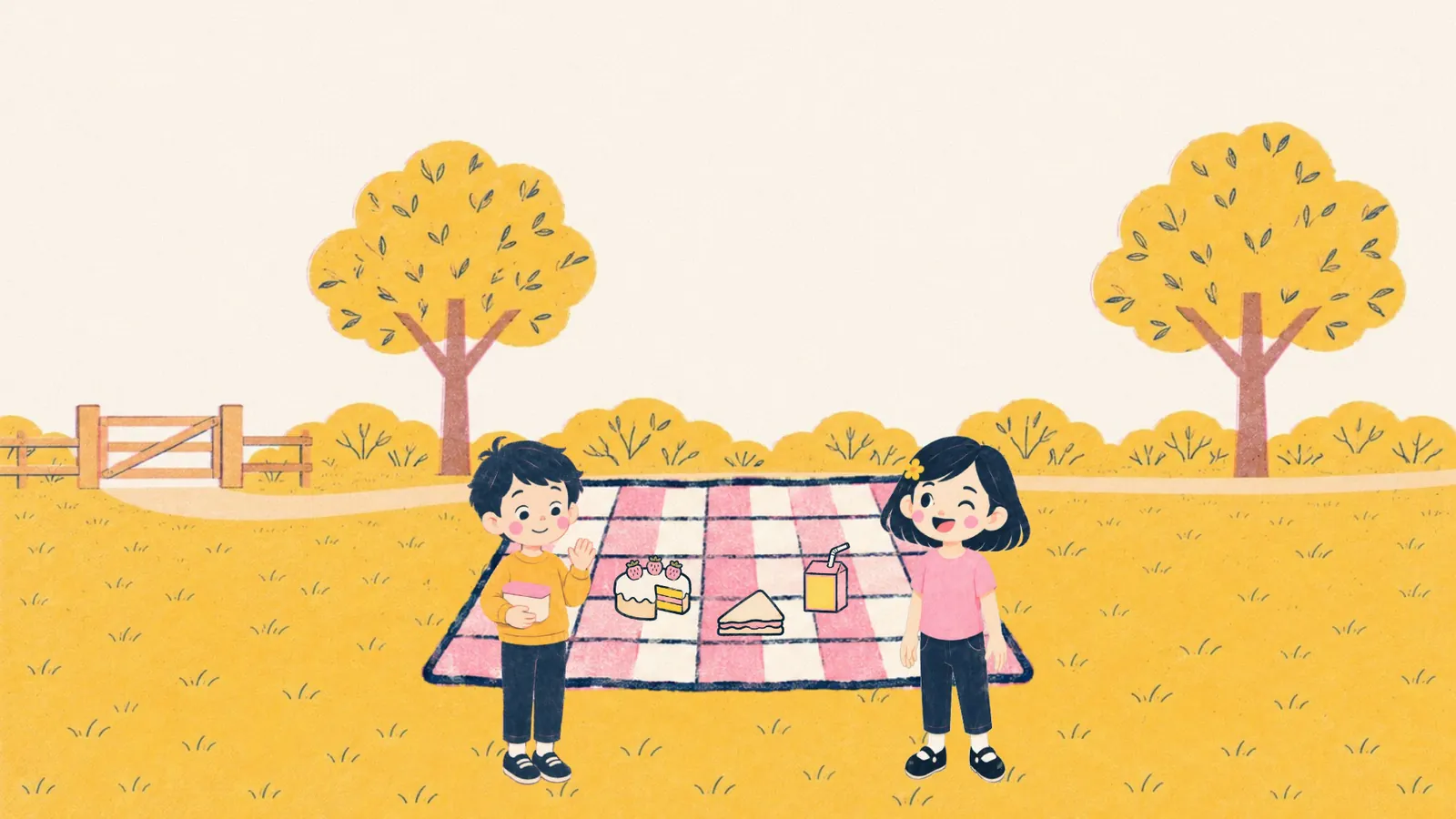
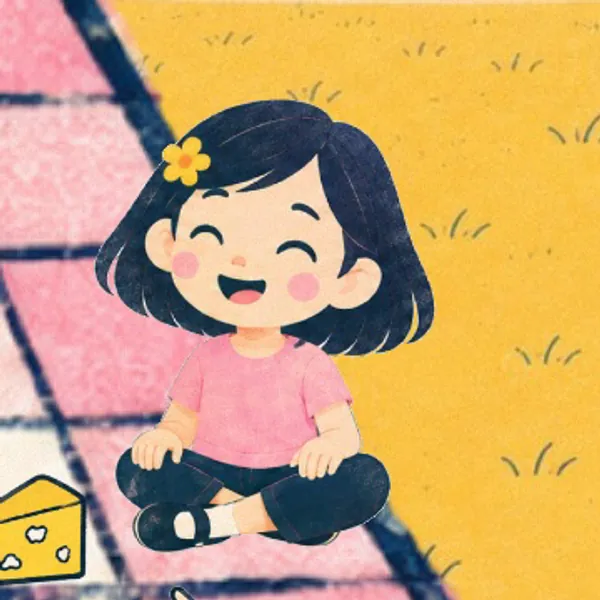
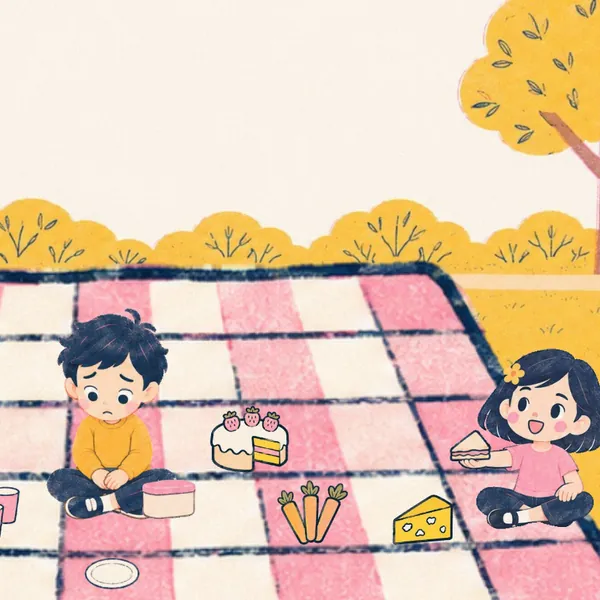
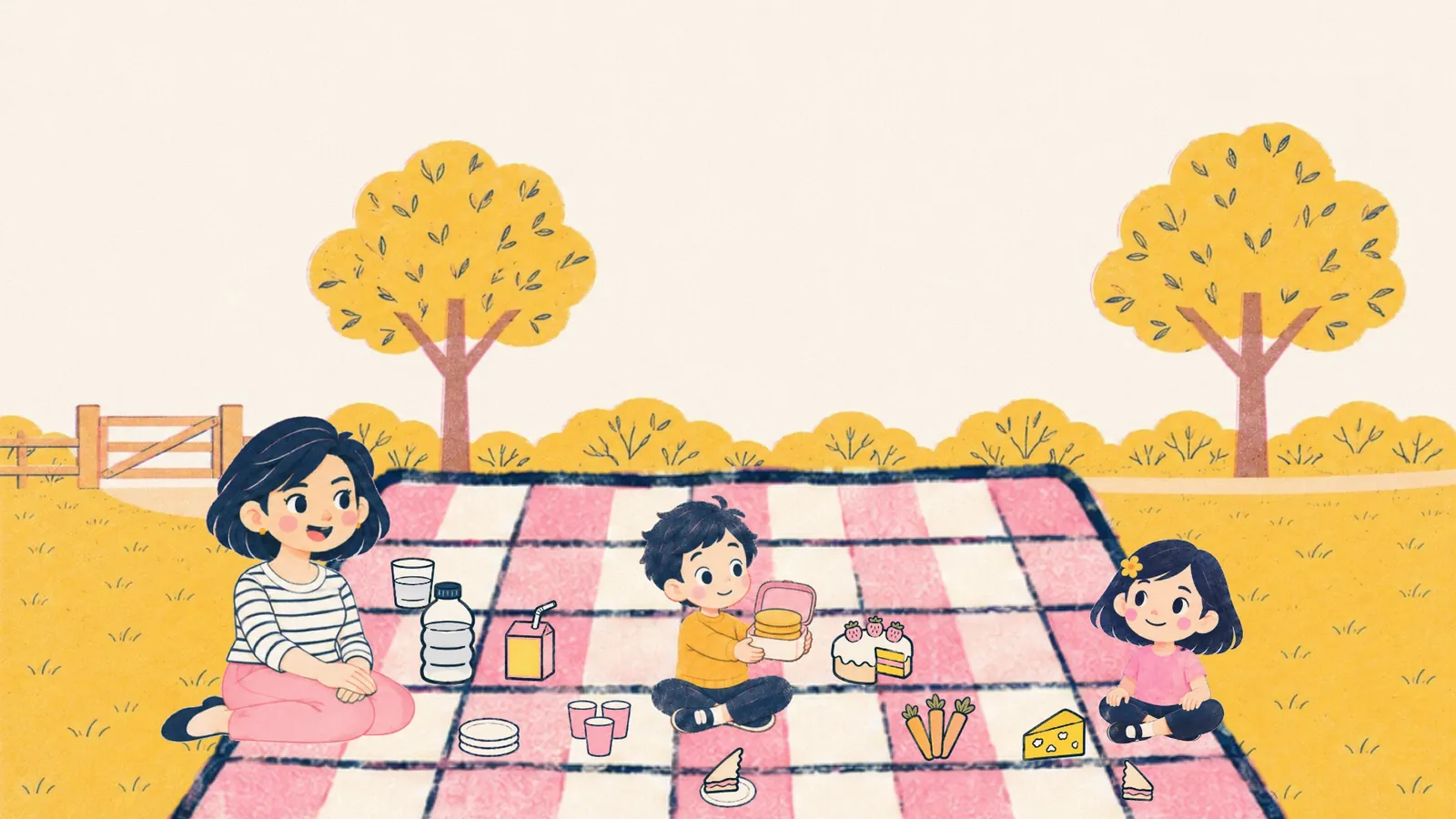
Lia and Dan on a picnic blanket with food.

How to use this pack

  1. Get ready first — about 15 minutes: print, cut, choose snacks.
  2. Then do one part each evening, about 30 minutes, with the parent cards.
  3. Scan the QR on a page to hear the story read aloud.
  4. Print pages 1-14, 17-19 for Parts 1–4 and the parent cards. Pages 15–16 are for Part 5 (optional).
Scan to watch
Dan's Picnic · Story Time with Lia · liabooks.com/study1
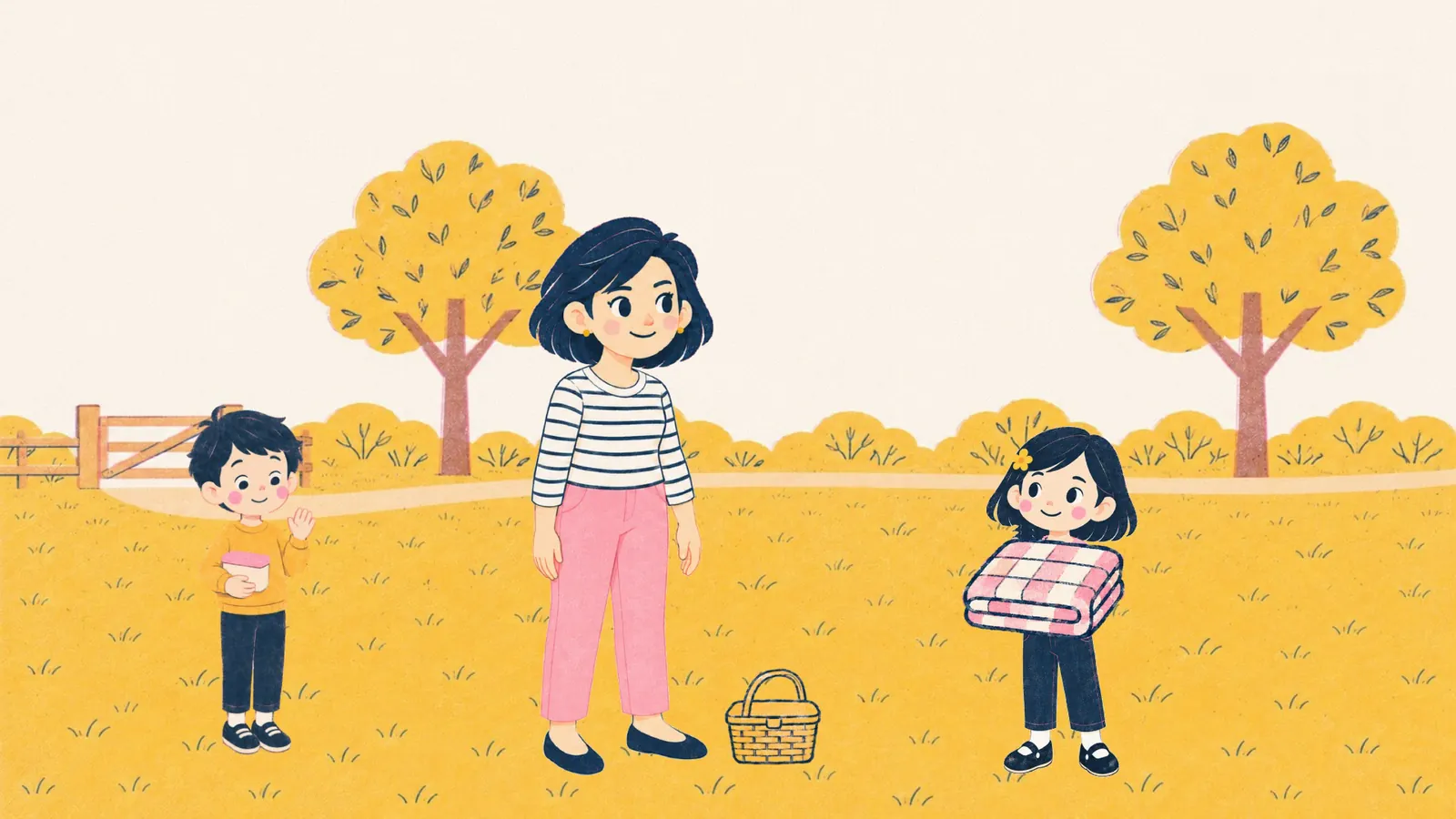
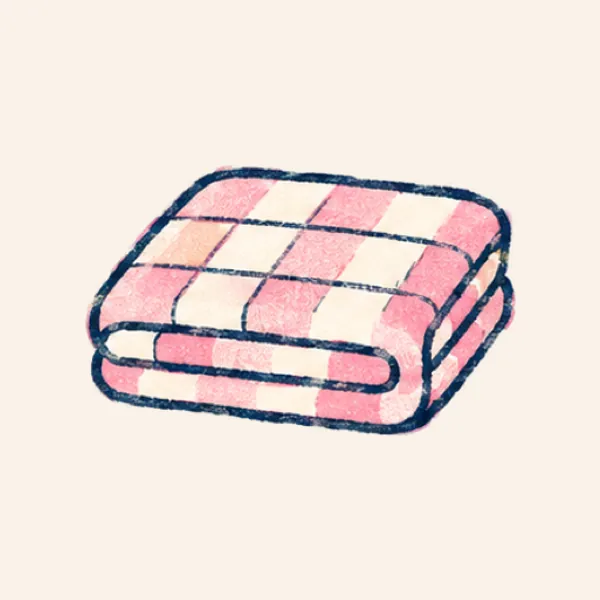
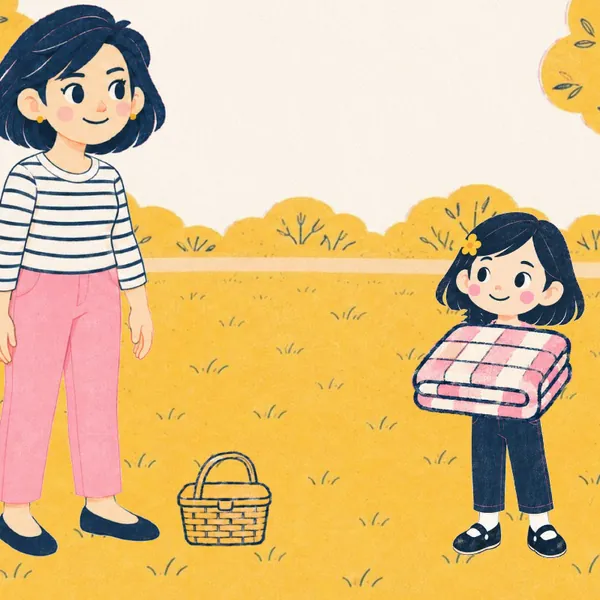
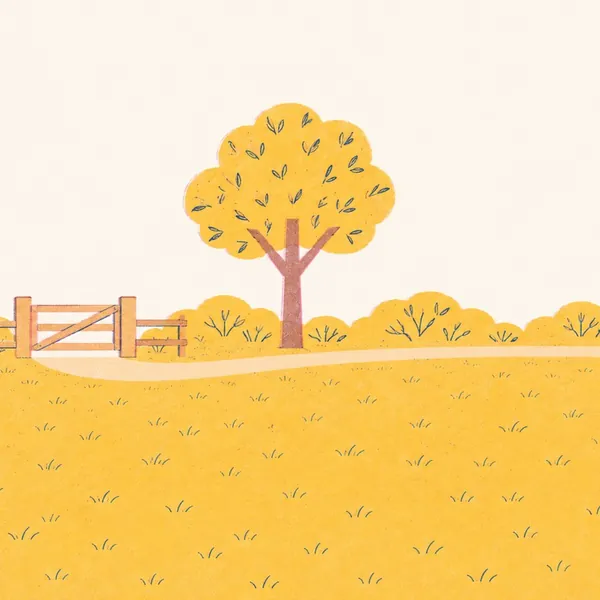
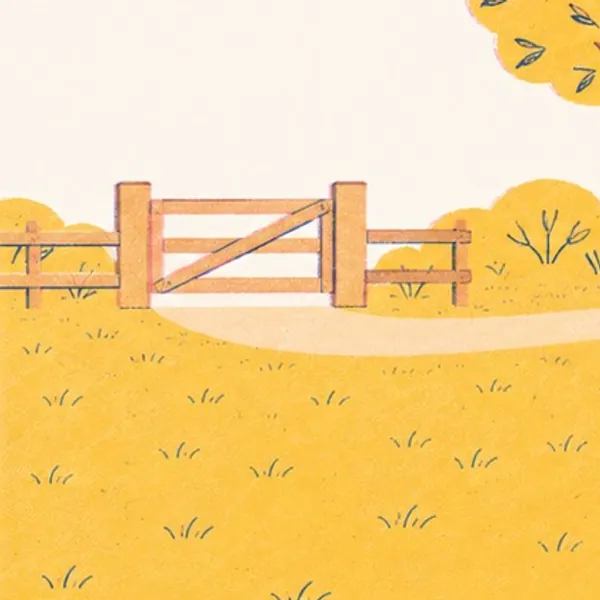
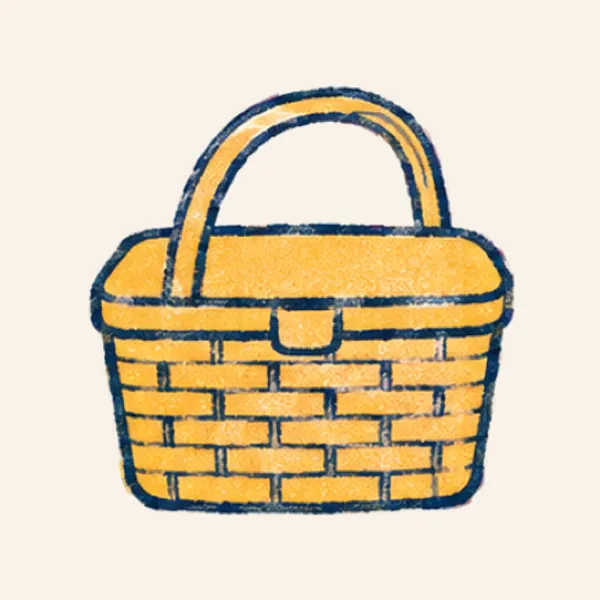
Lia, Mum and Dan meet at the park gate with a basket and a folded blanket.
  1. It was Saturday. Lia and Mum went to the park.
  2. They had a picnic basket and a big blanket.
  3. Lia's new friend Dan came too. Dan didn't know many English words.
  4. LiaHi, Dan!
  5. DanHi.
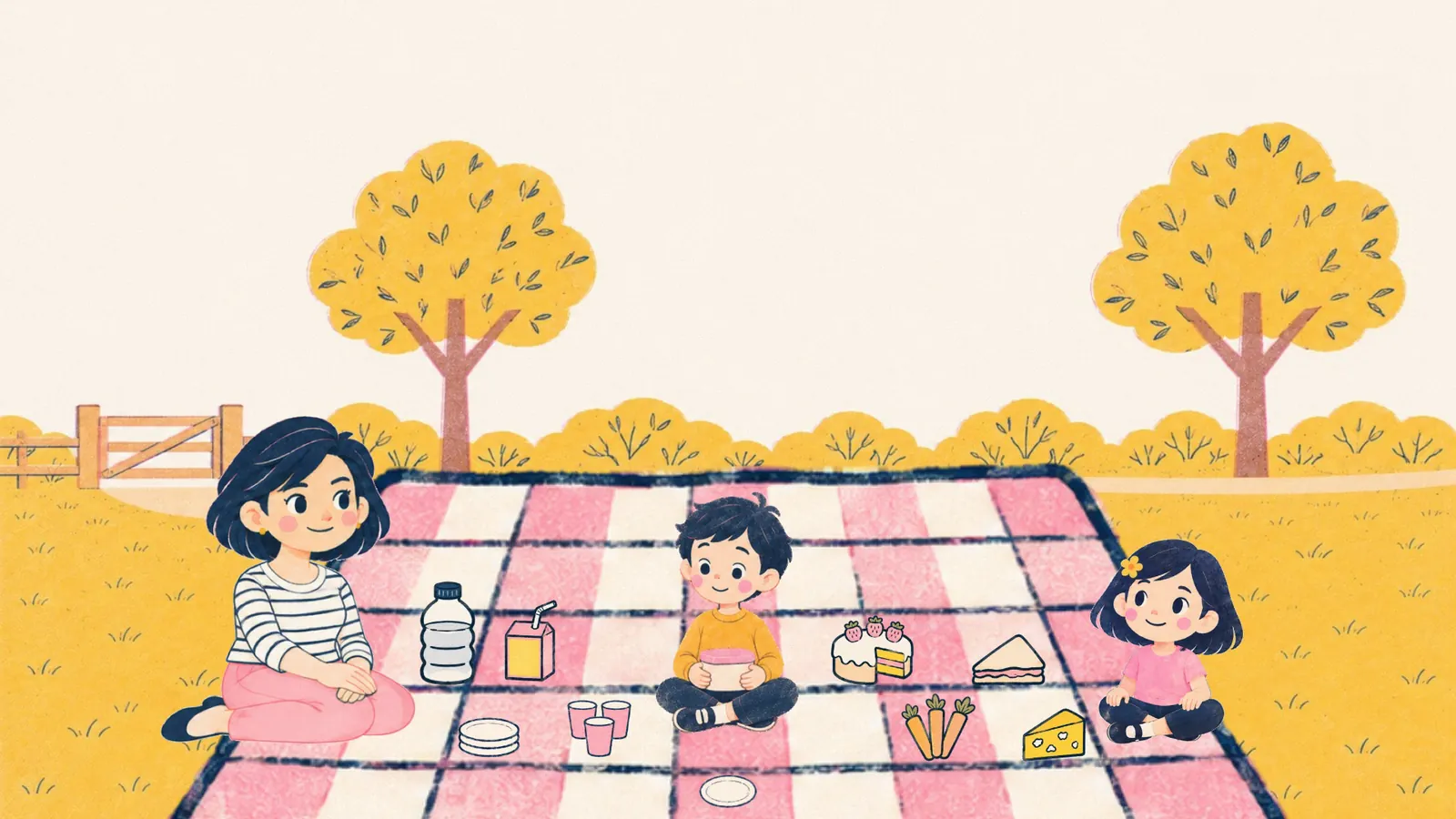
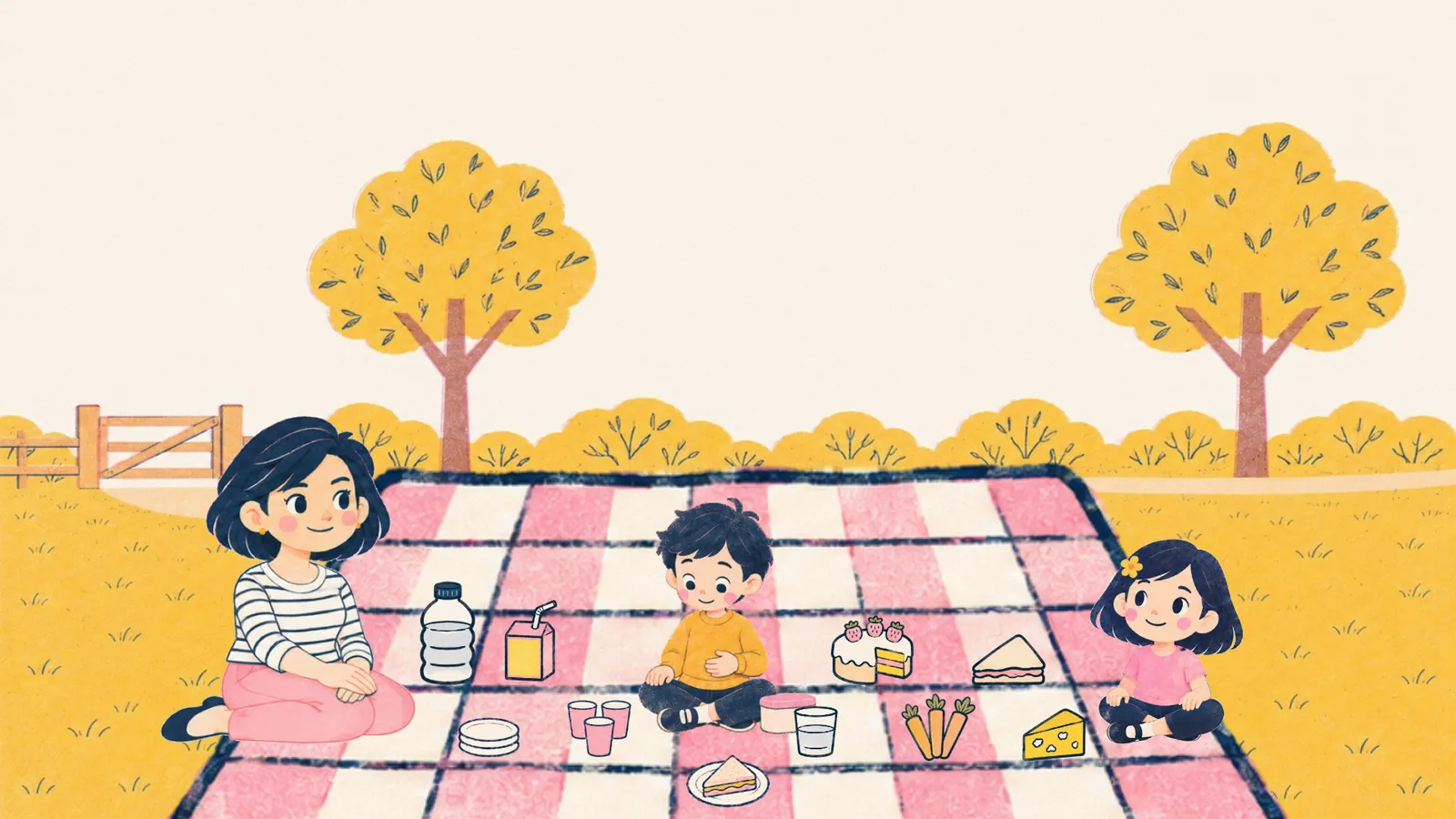
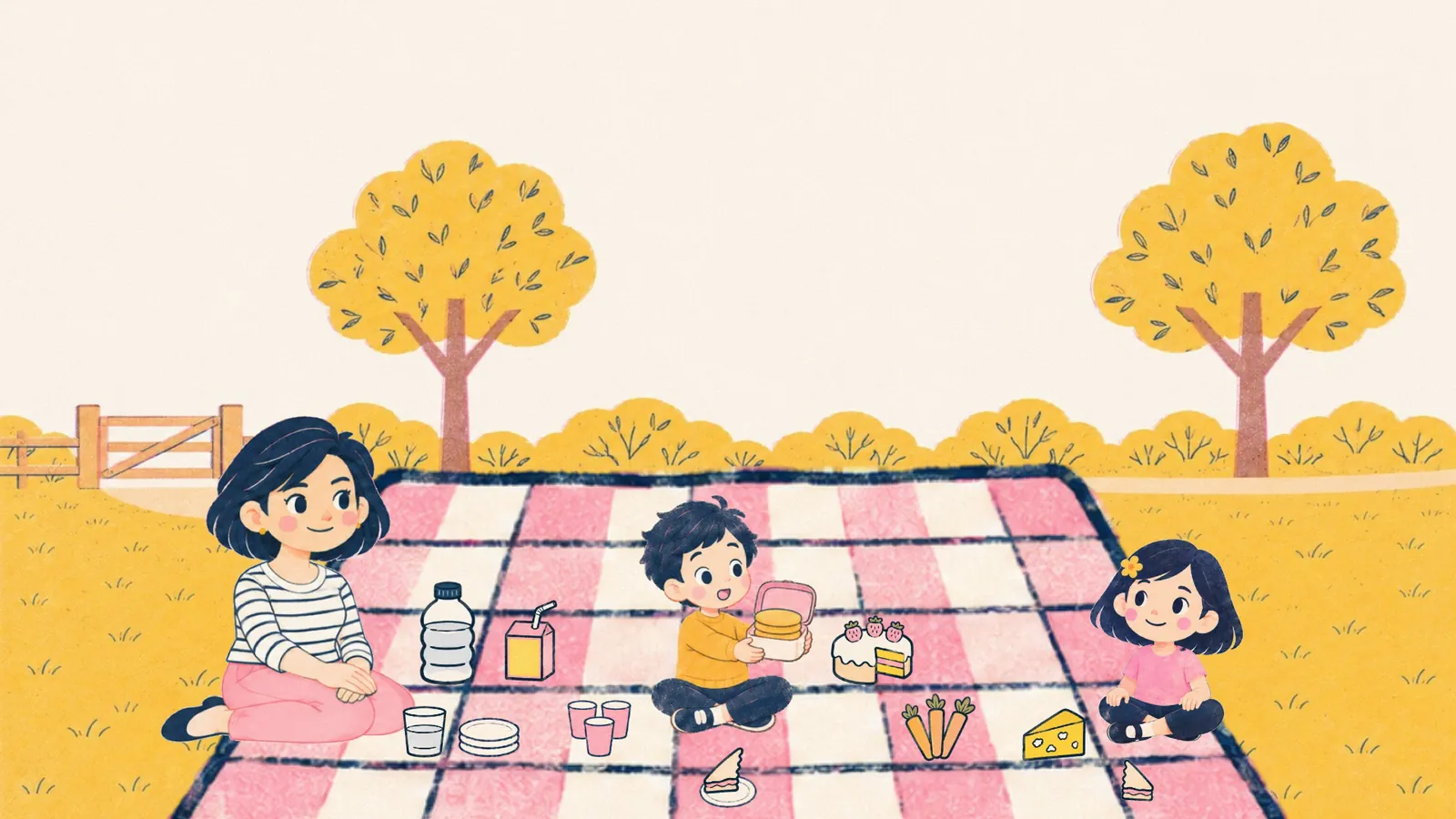
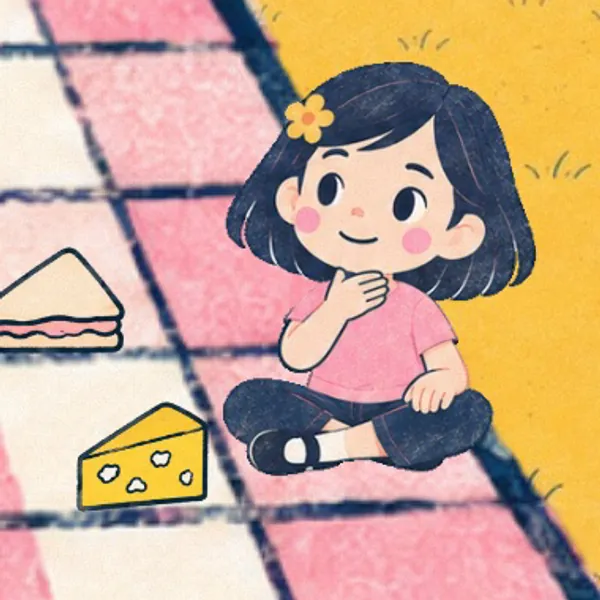
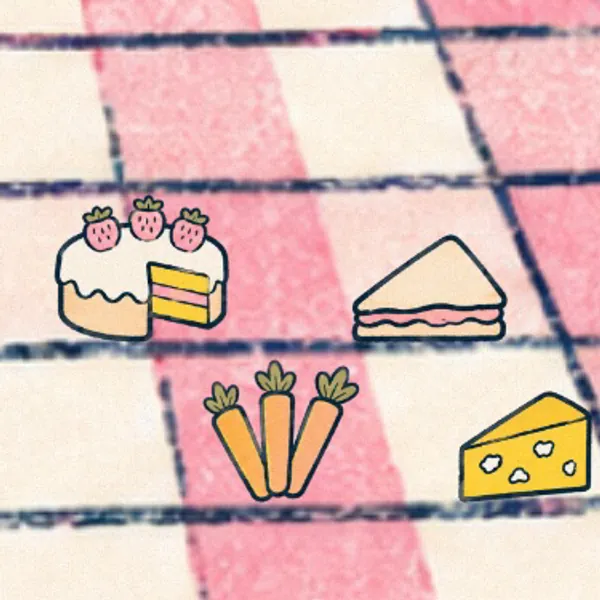
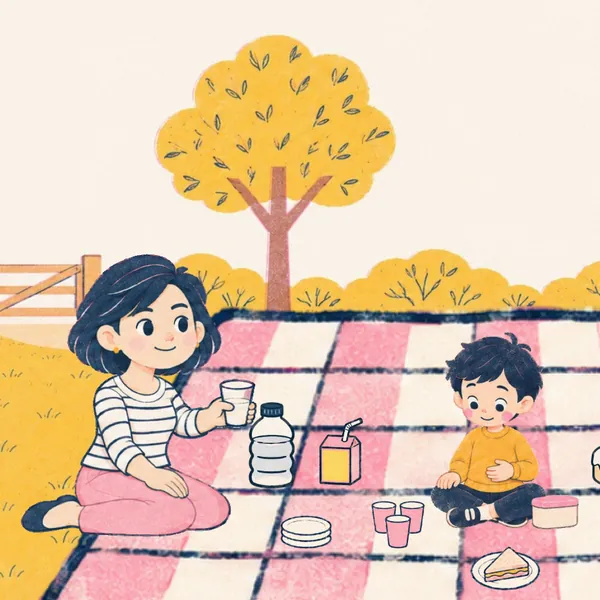
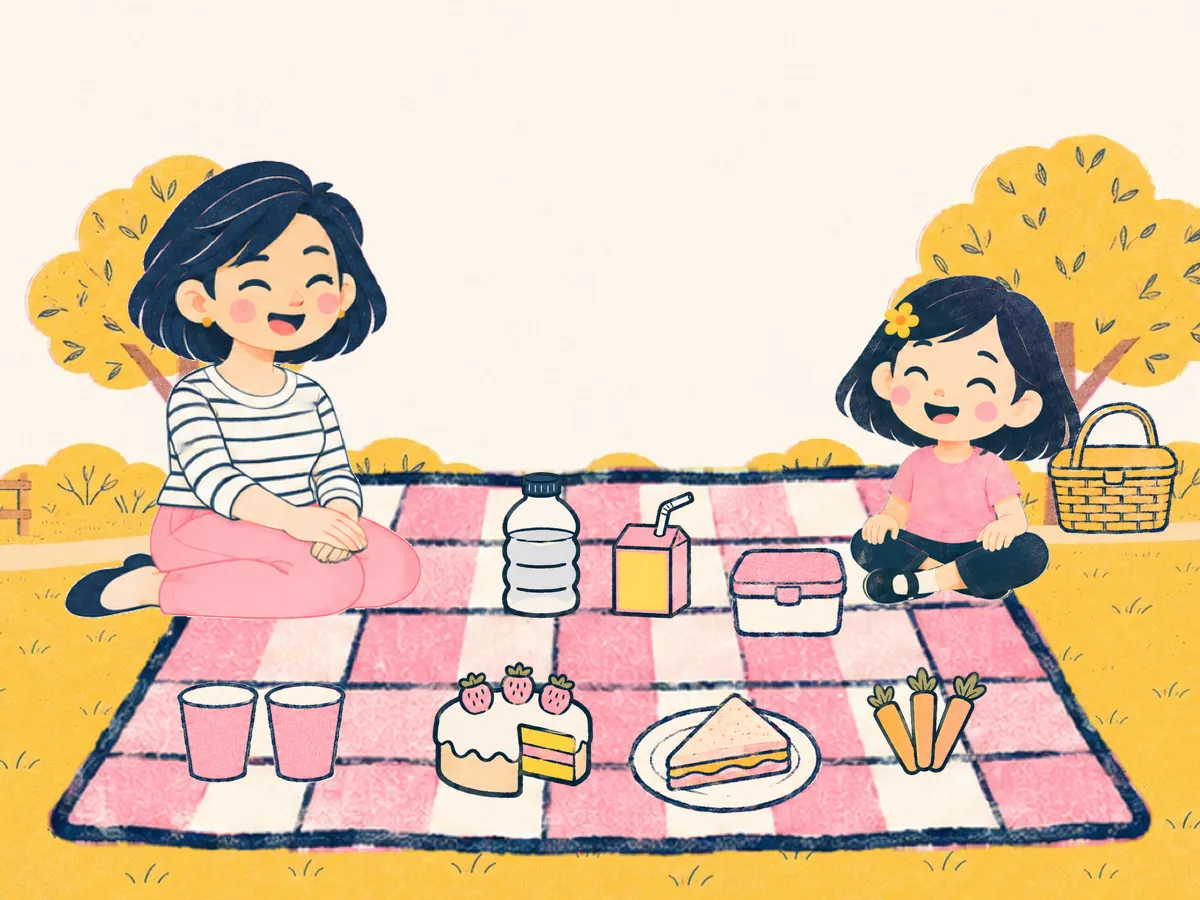
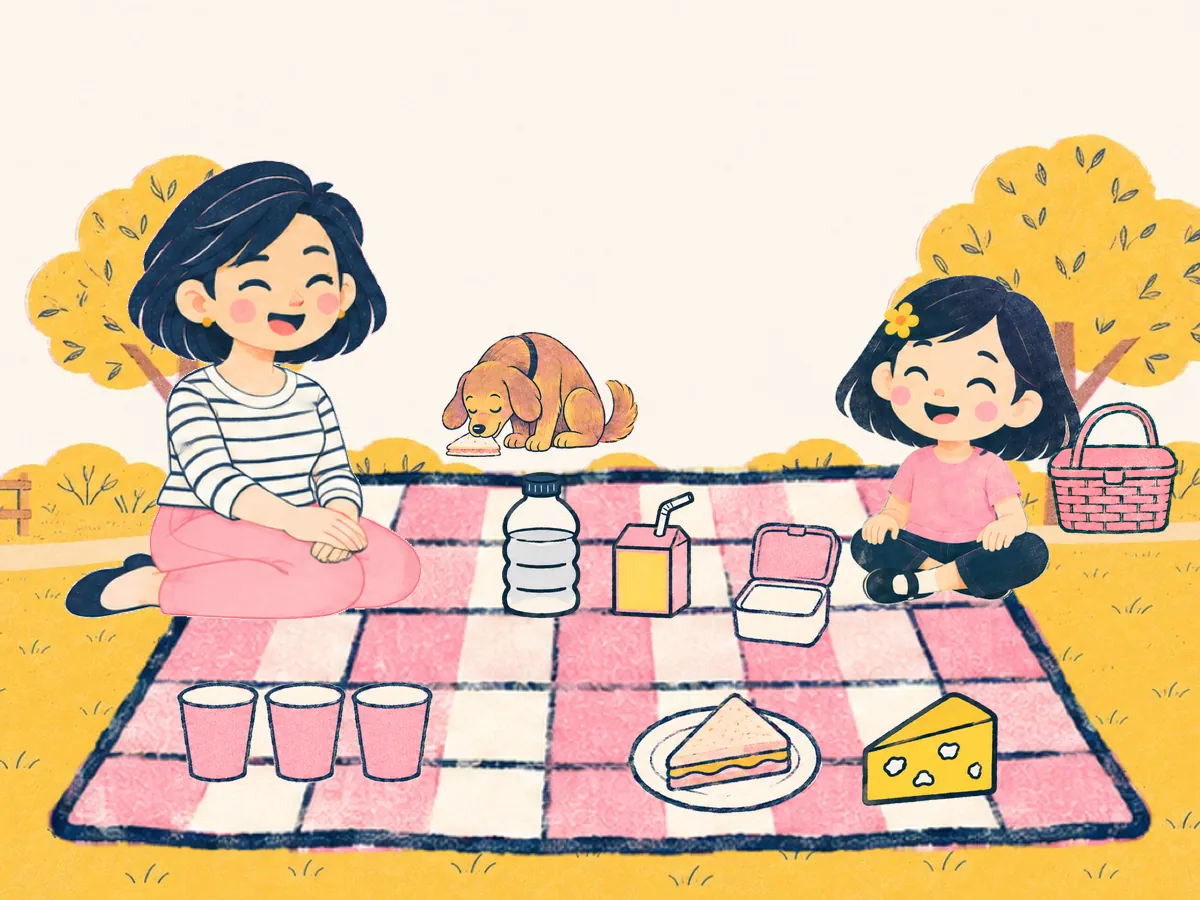
Plates, cups, sandwiches, cheese, carrots, a cake, water and juice on the blanket.
  1. MumLet's have our picnic!
  2. Mum put the plates and cups on the blanket.
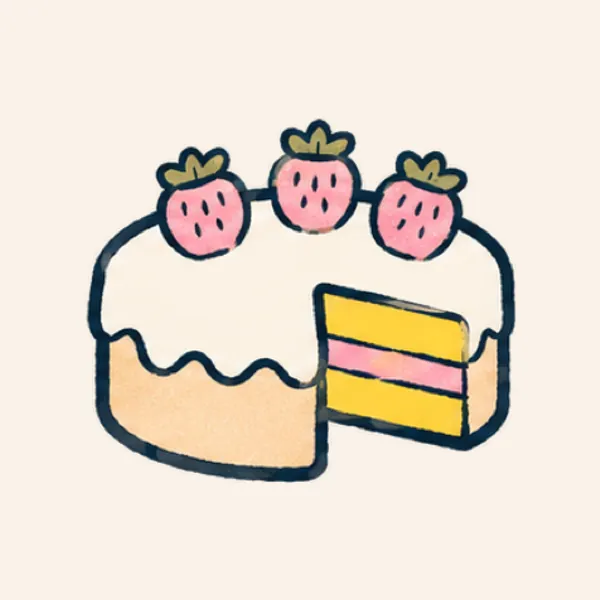
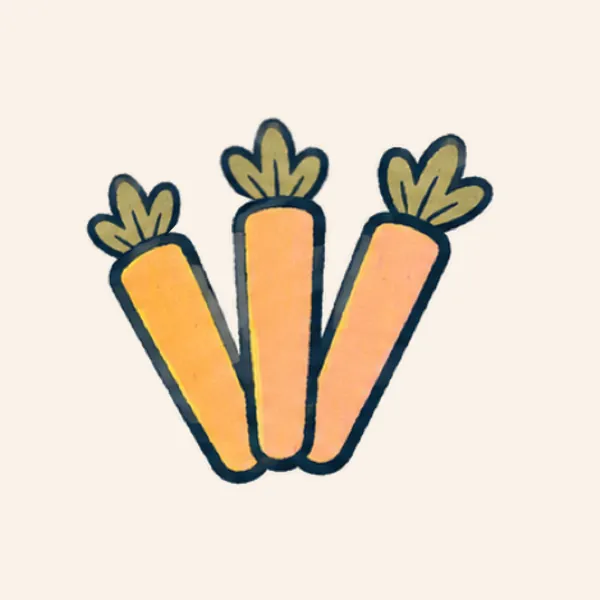
  3. There were sandwiches, cheese, carrots and a cake.
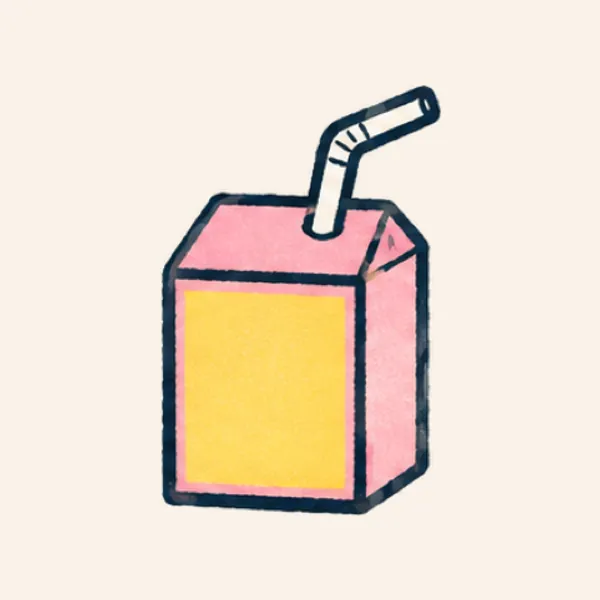
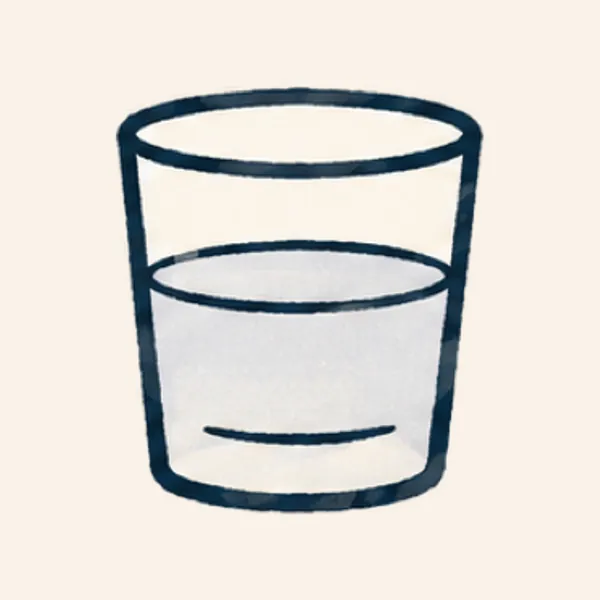
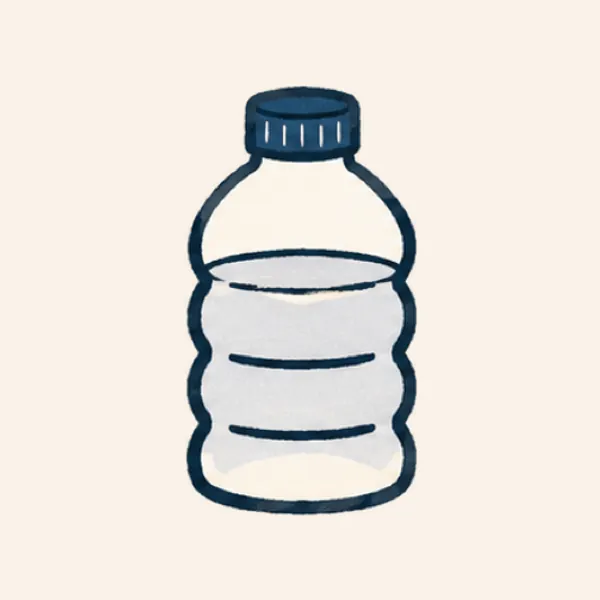
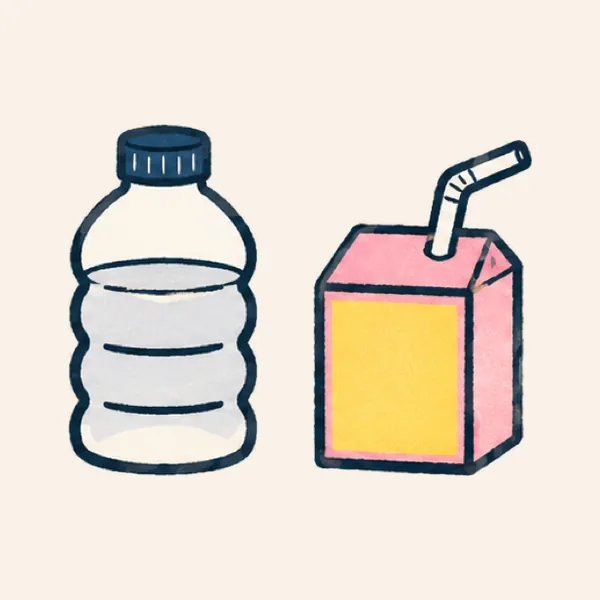
  4. There was a bottle of water. There was juice to drink.
  5. LiaYum! Cake! I'm hungry!
Scan to listen
Dan's Picnic · Story Time with Lia · liabooks.com/study2
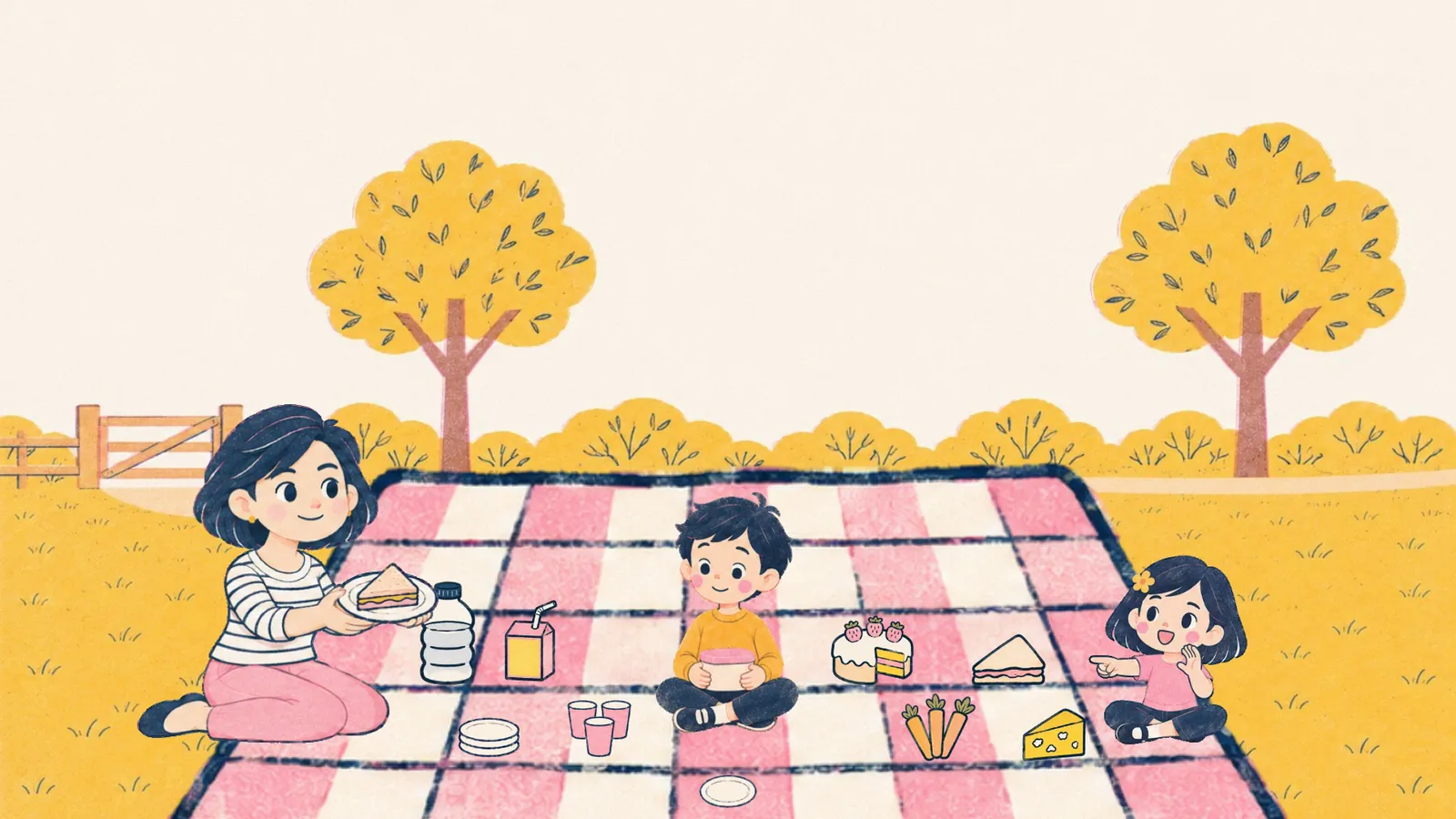
Mum holds out a plate to Dan. Lia points and pretends to eat.
  1. MumWould you like a sandwich, Dan?
  2. Dan looked at Mum. He didn't understand.
  3. LiaSandwich. Yum! Would you like a sandwich?
  4. DanYes, please.
  5. MumHere you are. Would you like some cheese?
  6. DanNo, thank you.
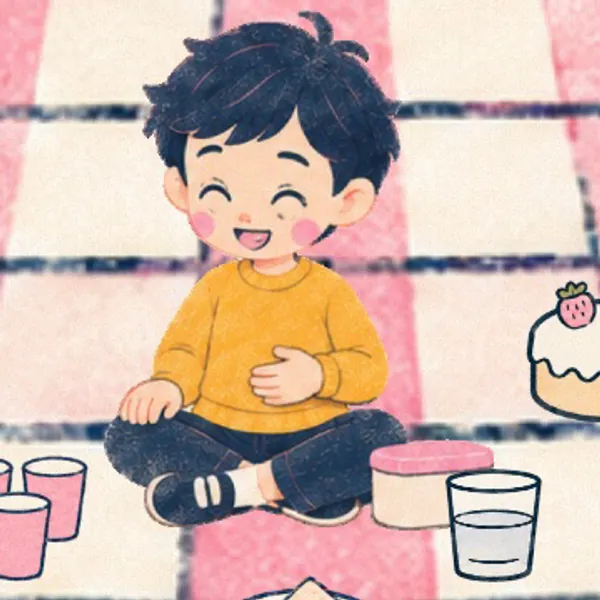
Dan rubs his tummy. A cup of water is beside him and a sandwich is in front of him.
  1. DanI'm… thirsty!
  2. Mum gave Dan a cup of water.
  3. Dan looked at the water. He looked at the food.
  4. LiaThirsty is for drinks. Hungry is for food.
  5. DanOh! I'm hungry!
  6. LiaMe too! I'm hungry!
Scan to listen
Dan's Picnic · Story Time with Lia · liabooks.com/study3
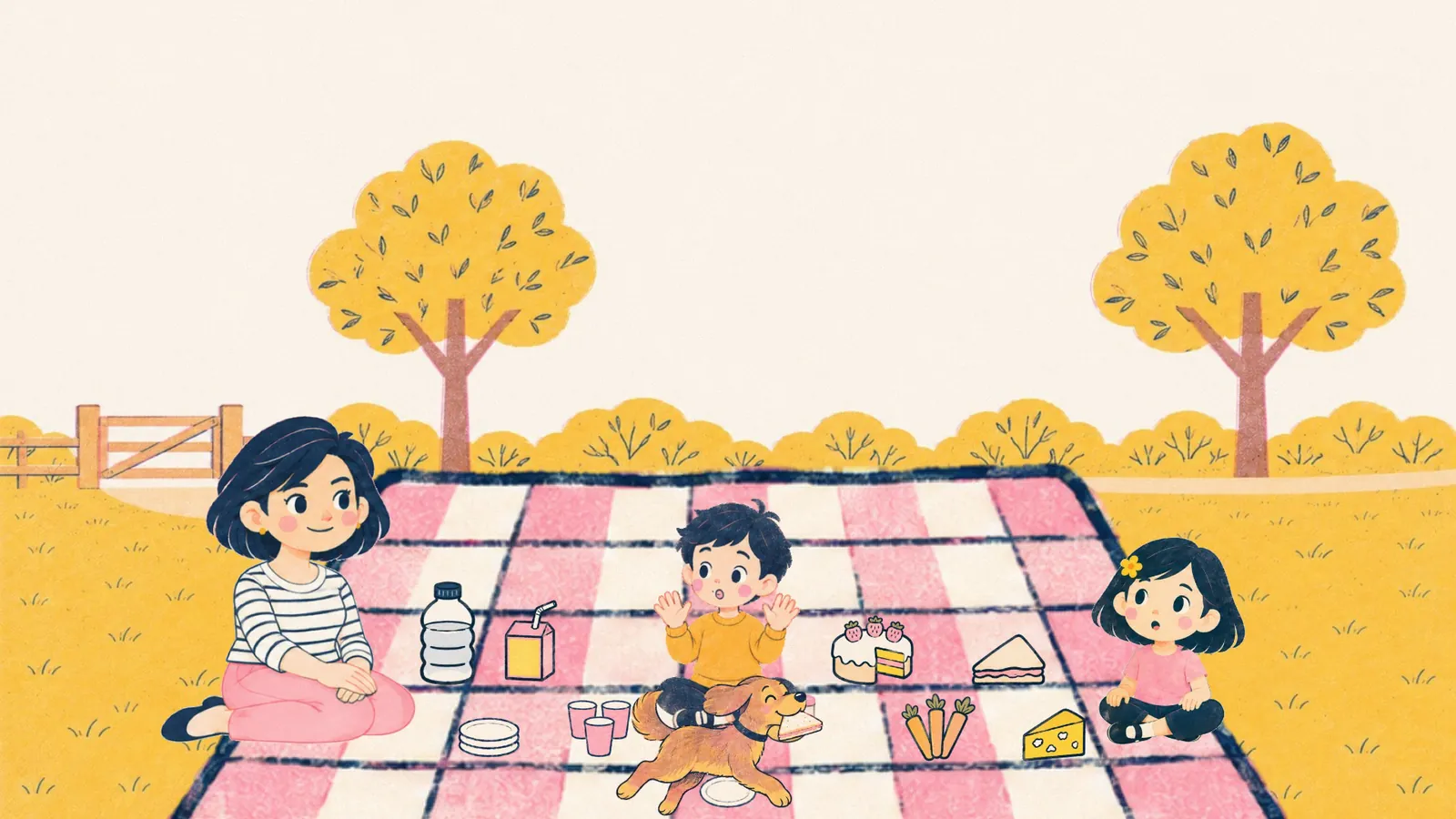
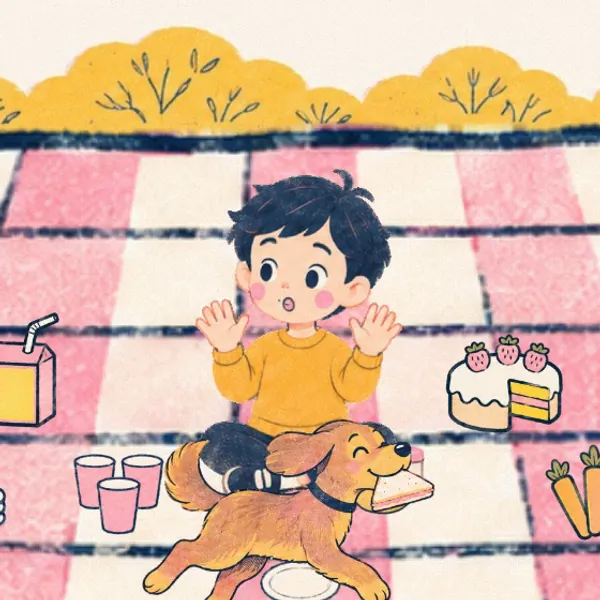
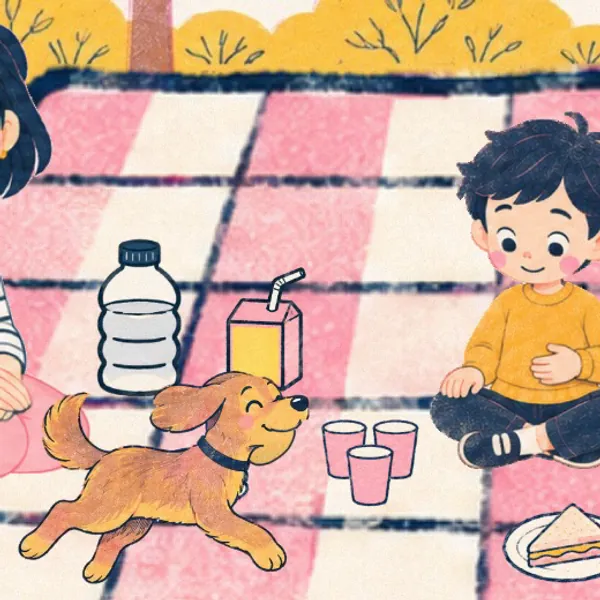
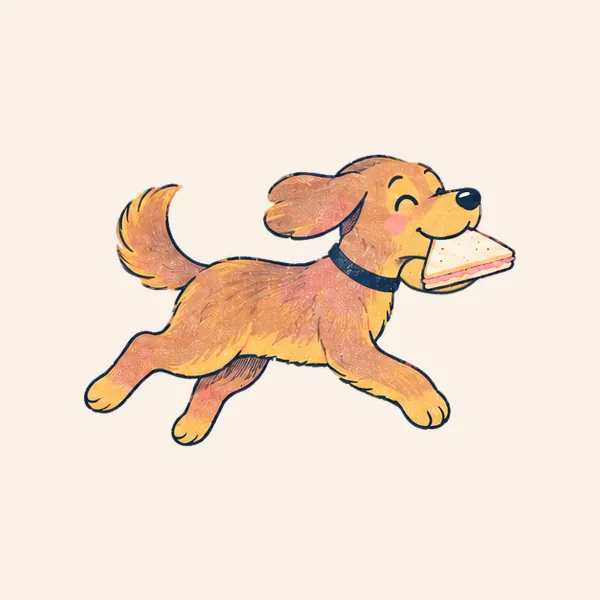
A big dog runs off with a sandwich in its mouth.
  1. Then a big dog ran to the blanket.
  2. It took Dan's sandwich!
  3. DanOh no! My sandwich!
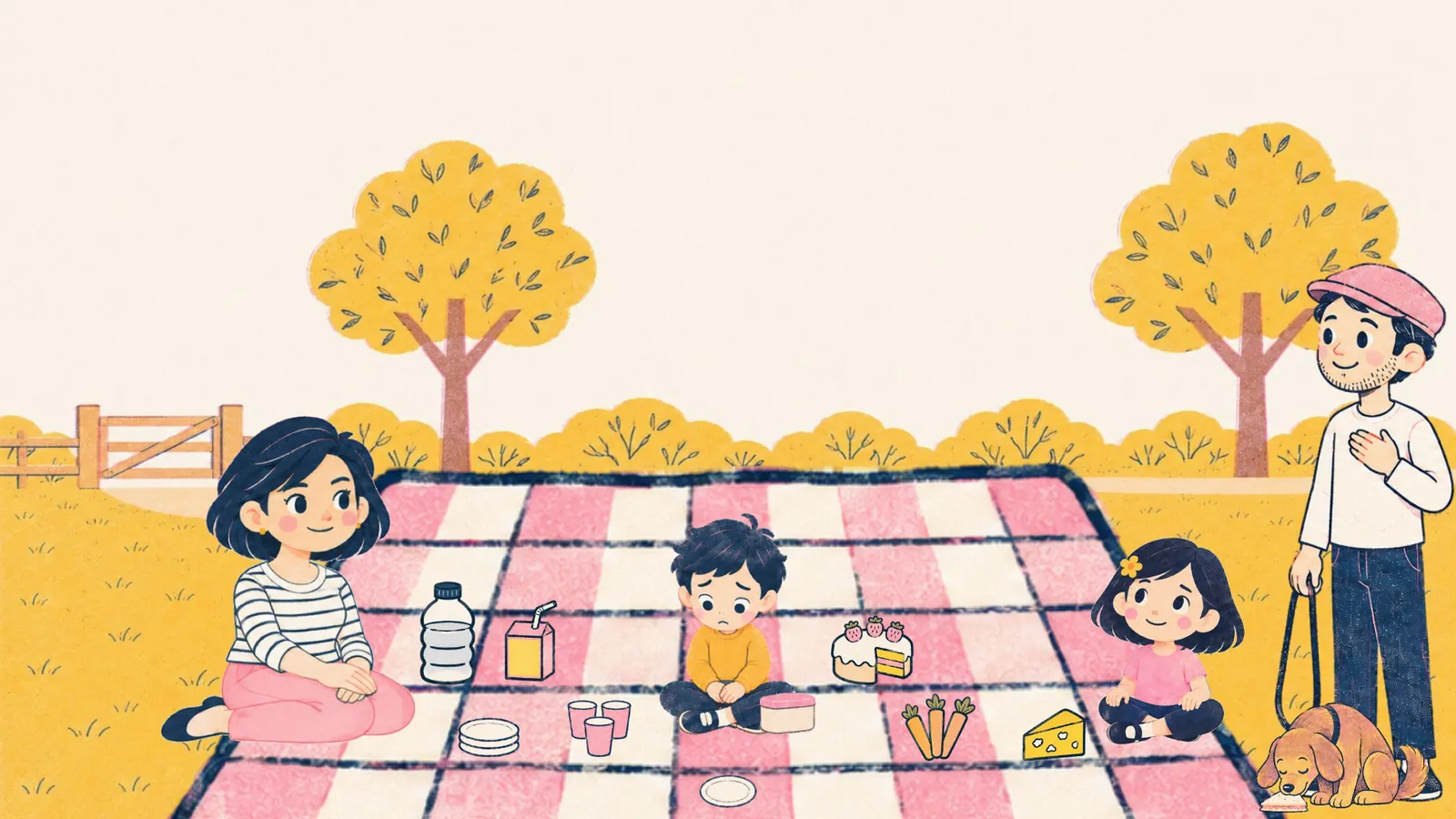
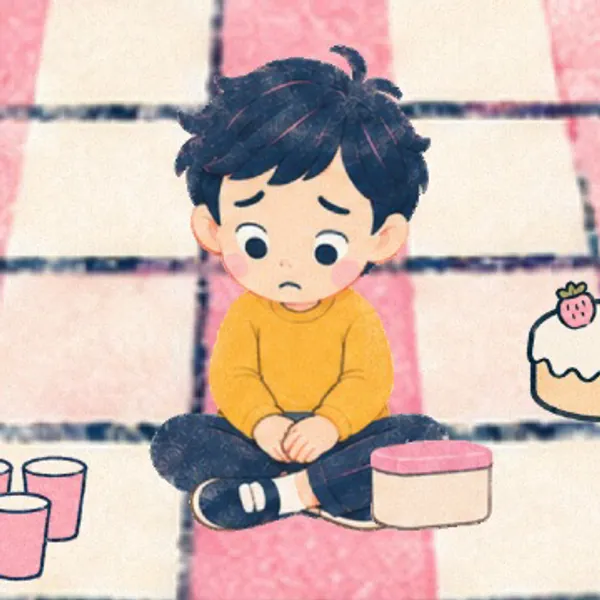
Jim says sorry. His dog eats the sandwich. Dan looks sad.
  1. A man ran to the blanket. It was Jim.
  2. "Sorry! Sorry!" said Jim. "My dog is hungry too!"
  3. Dan was sad. He had no sandwich.
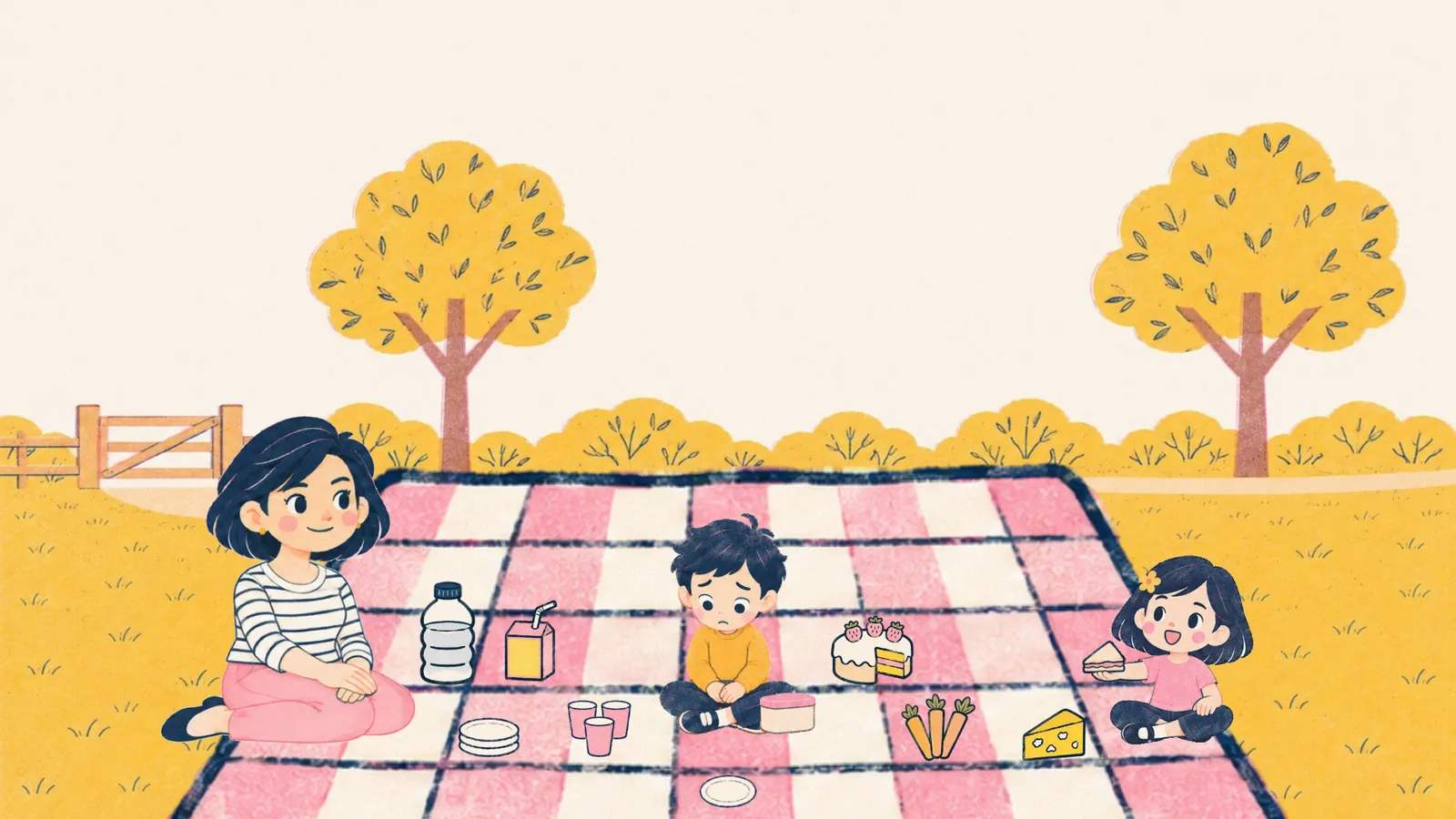
Lia gives Dan half of her sandwich. Mum smiles.
  1. LiaShall I give you half of my sandwich?
  2. DanYes, please!
  3. Lia put half on Dan's plate because he was hungry.
  4. MumThat's kind, Lia.
Scan to listen
Dan's Picnic · Story Time with Lia · liabooks.com/study4
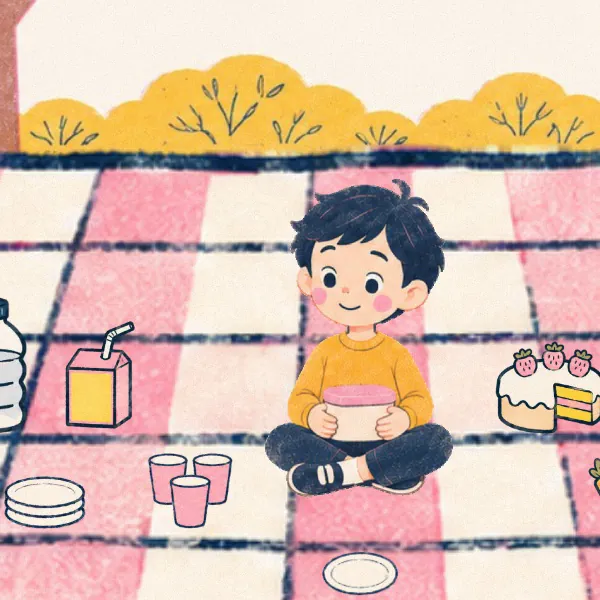
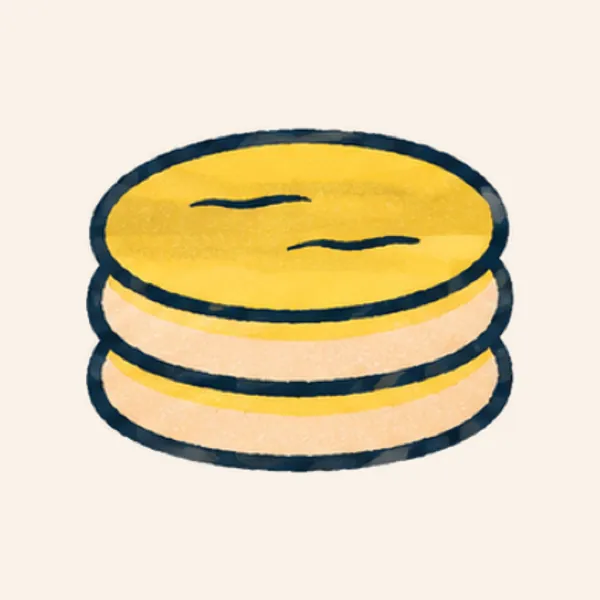
Dan opens his box of pancakes and holds it out to Lia.
  1. Then Dan opened his box. There were pancakes inside!
  2. DanWould you like a pancake, Lia?
  3. LiaYes, please! Thank you, Dan!
  4. Dan asked in English, all by himself. Lia was very happy.
  5. DanNow I'm thirsty!
  6. MumHere you are.
  7. It was the best picnic.
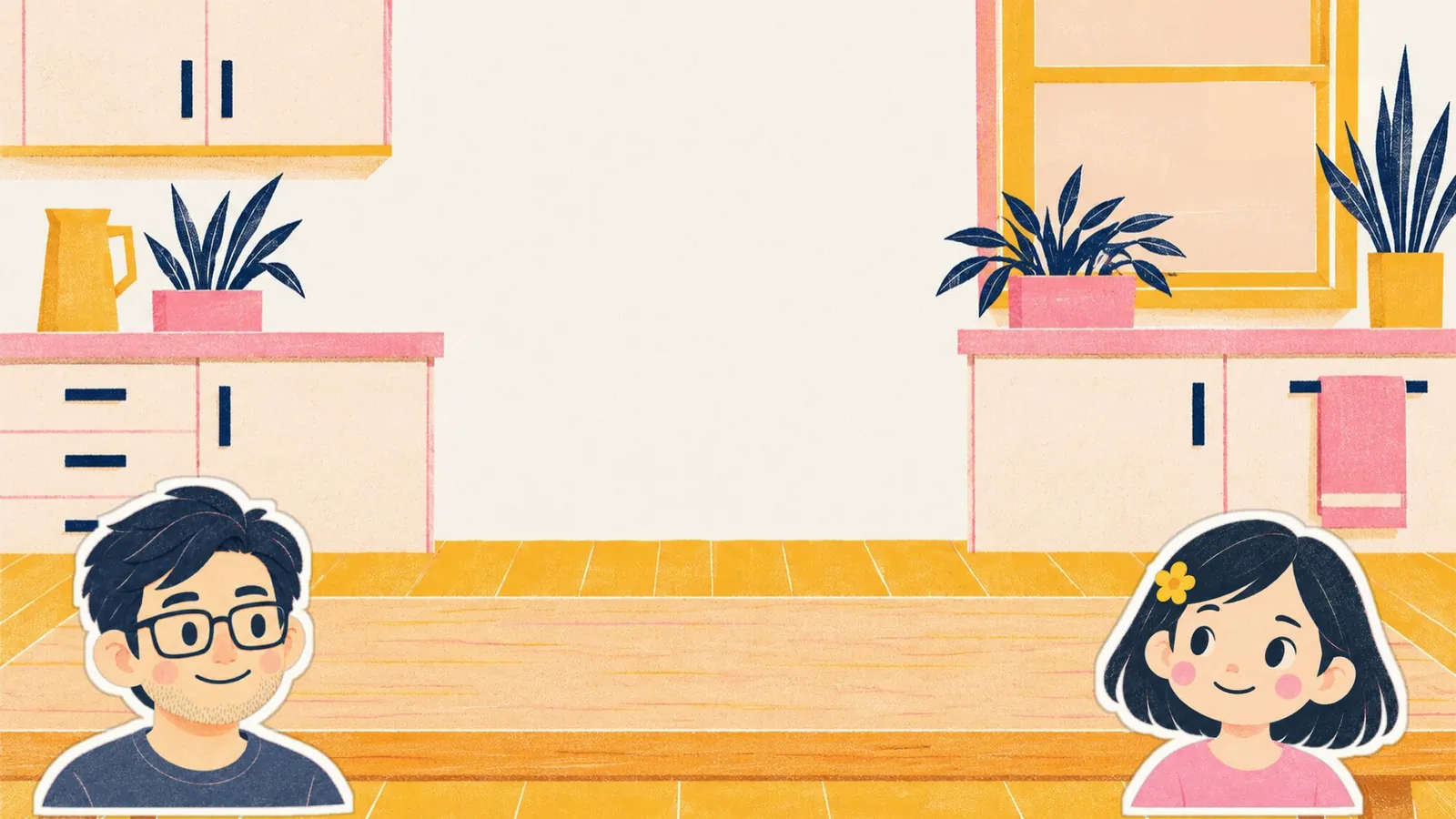
At the kitchen table in the evening, Lia tells Dad about the picnic.
  1. DadHow was the picnic, Lia?
  2. LiaA big dog took Dan's sandwich!
  3. DadOh no! Then what happened?
  4. LiaI gave Dan half because he was hungry.
  5. LiaThen Dan gave me a pancake!
  6. DadYou and Dan were kind. What a picnic!
Scan to listen
Dan's Picnic · Story Time with Lia · liabooks.com/study5
Word cards

Key words

Fold each card on the middle line: picture on top, word below.

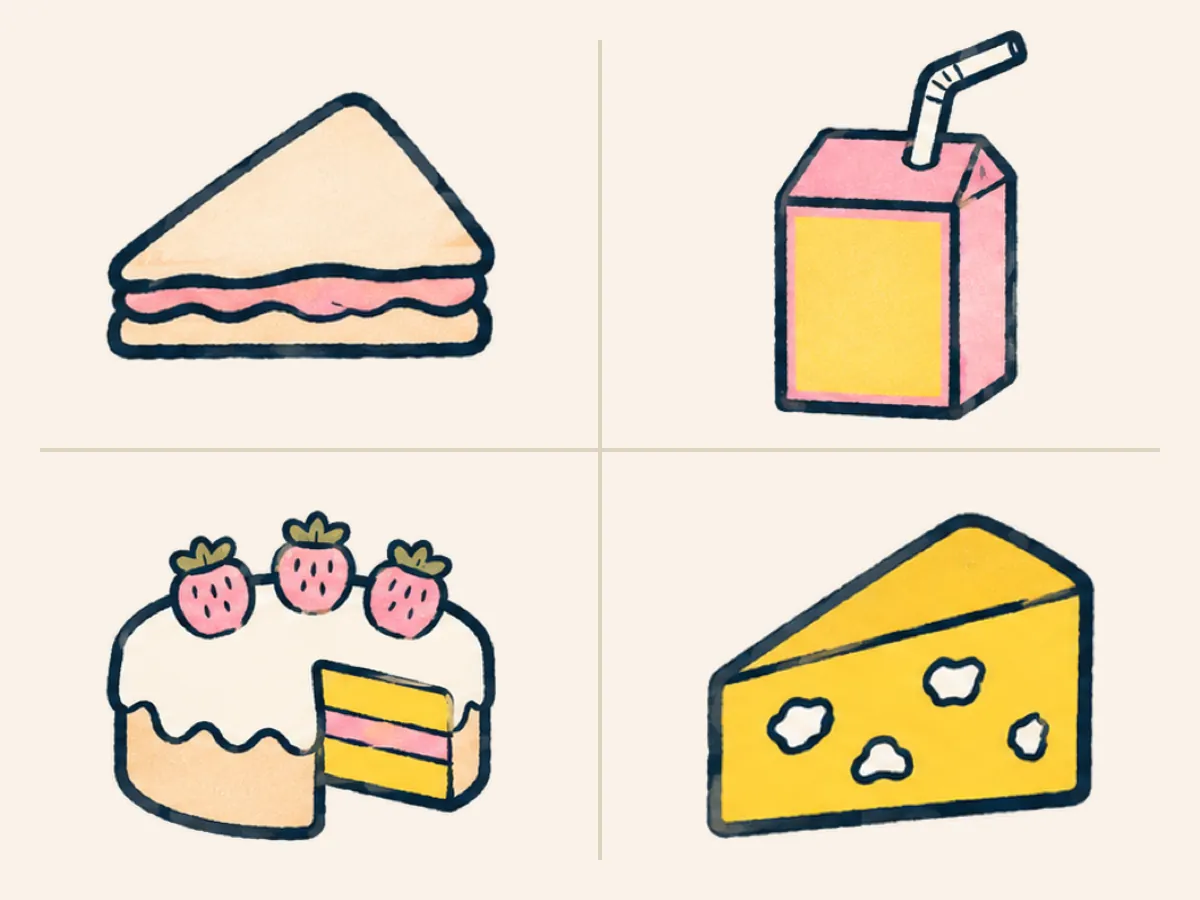
  • picnic
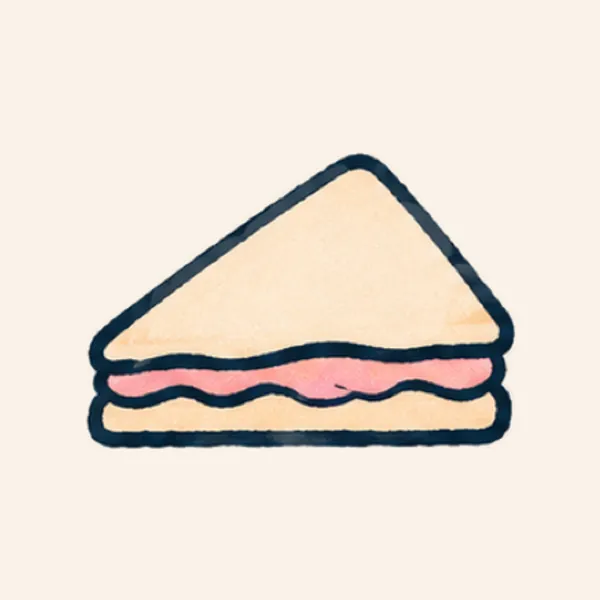
  • sandwich
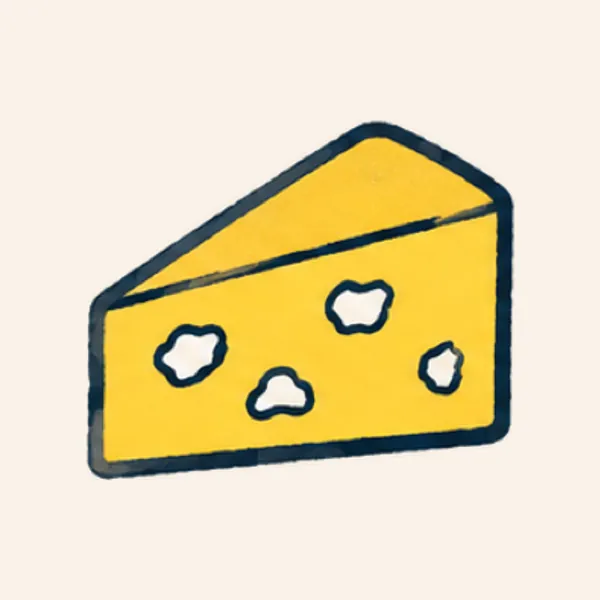
  • cheese
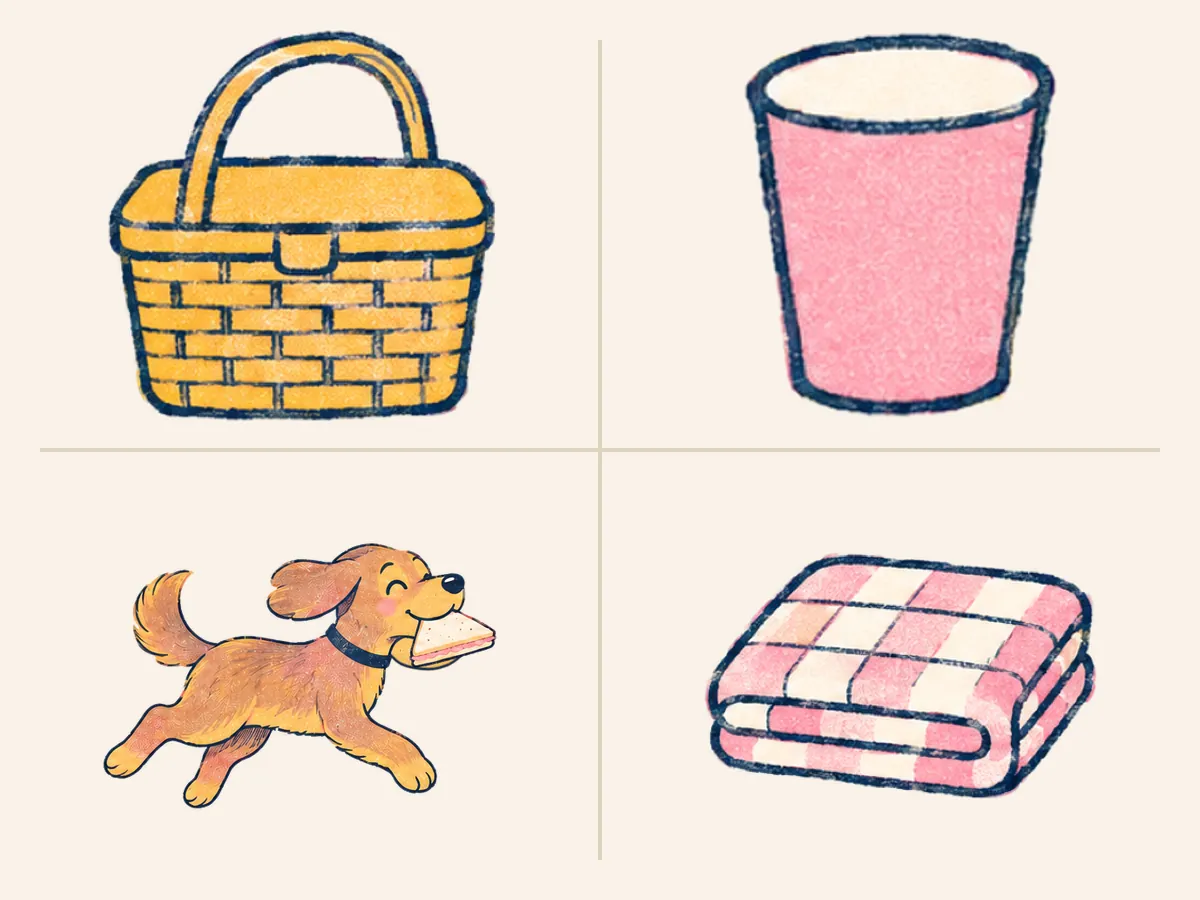
  • cup
  • plate
  • hungry
  • thirsty
  • cake
  • juice
  • water
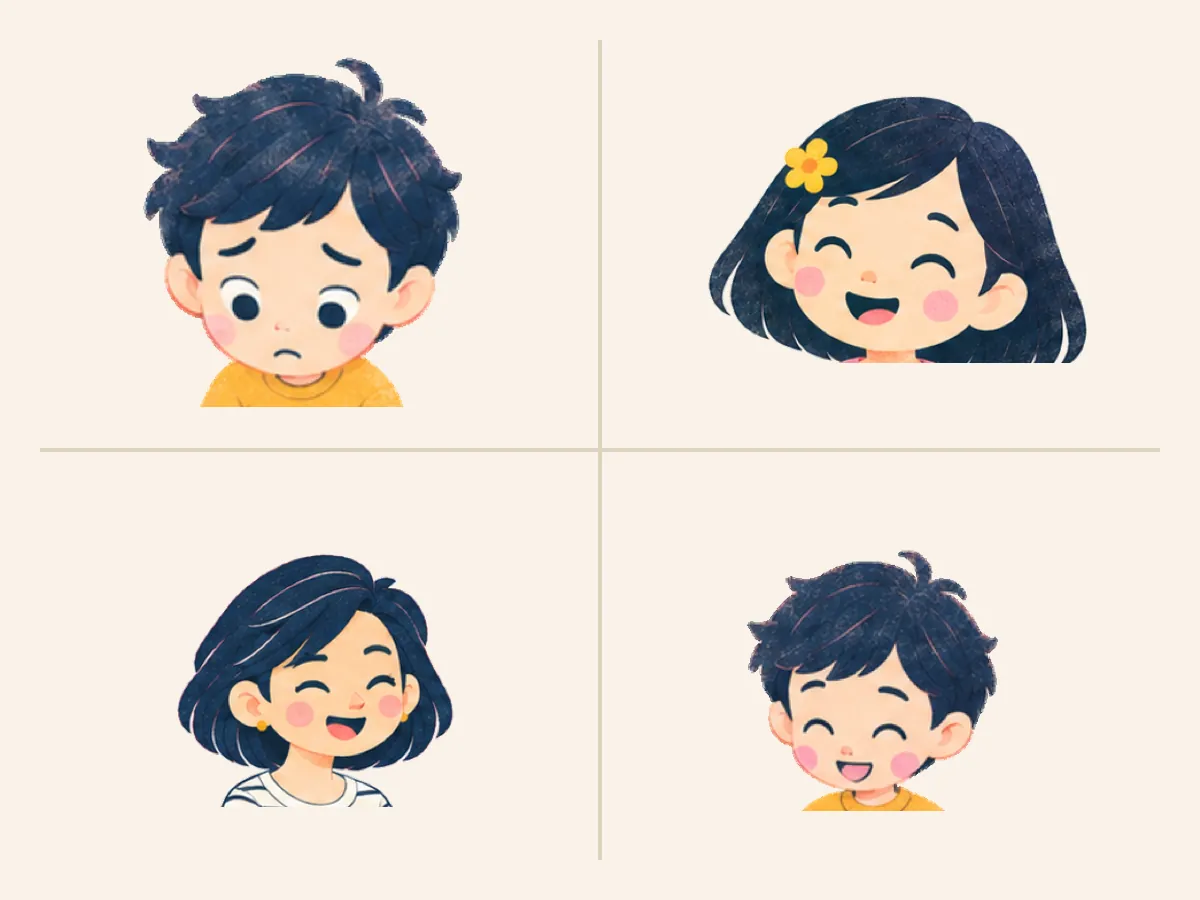
  • sad
  • happy
Scan to listen
Dan's Picnic · Story Time with Lia · liabooks.com/study6
Word cards

More words and speech bubbles

  • pancake
  • bottle
  • blanket
  • kind
  • food
  • drink
  • carrot
  • gave (give)
  • took (take)
  • ran (run)
  • had (have)
Say it!Would you like a ?
Say it!Yes, please. No, thank you.
Say it!I'm .
Say it!Shall I give you ?
Say it!Then . because .
Scan to listen
Dan's Picnic · Story Time with Lia · liabooks.com/study7
Part 2

Play script

Read it twice. Swap parts.

Scene 3
  1. MumWould you like a sandwich, Dan?
  2. Dan looked at Mum. He didn't understand.
  3. LiaSandwich. Yum! Would you like a sandwich?
  4. DanYes, please.
  5. MumHere you are. Would you like some cheese?
  6. DanNo, thank you.
Scene 4
  1. DanI'm… thirsty!
  2. Mum gave Dan a cup of water.
  3. Dan looked at the water. He looked at the food.
  4. LiaThirsty is for drinks. Hungry is for food.
  5. DanOh! I'm hungry!
  6. LiaMe too! I'm hungry!
Scene 7
  1. LiaShall I give you half of my sandwich?
  2. DanYes, please!
  3. Lia put half on Dan's plate because he was hungry.
  4. MumThat's kind, Lia.
Scene 8
  1. Then Dan opened his box. There were pancakes inside!
  2. DanWould you like a pancake, Lia?
  3. LiaYes, please! Thank you, Dan!
  4. Dan asked in English, all by himself. Lia was very happy.
  5. DanNow I'm thirsty!
  6. MumHere you are.
  7. It was the best picnic.

Our picnic menu

Write two food words from the word cards.

Scan to listen
Dan's Picnic · Story Time with Lia · liabooks.com/study8
Part 3

Tell the story

  • The picnic on the blanket.cupbottlejuicecarrot
  • The dog runs off with the sandwich.
  • Lia gives Dan half.kind
  • Dan offers a pancake.happy

First · Then · because

Scan to listen
Dan's Picnic · Story Time with Lia · liabooks.com/study9
Part 3 · Part 4

Dan's diary: My Picnic

My Picnic

by Dan
  1. line 1On Saturday, I went to the park.
  2. line 2I met Lia and her mum at the gate.
  3. line 3Lia's mum had a big basket.
  4. line 4We sat on a big blanket on the grass.
  5. line 5Lia's mum said, "Would you like a sandwich?"
  6. line 6I didn't understand, but Lia helped me.
  7. line 7I was hungry, but I said, "I'm thirsty!"
  8. line 8Lia helped me again. Then I said, "I'm hungry!"
  9. line 9A big dog ran to our blanket.
  10. line 10It took my sandwich! I was sad.
  11. line 11Lia gave me half because I was hungry.
  12. line 12Then I opened my box.
  13. line 13I said, "Would you like a pancake, Lia?"
  14. line 14I said it in English, all by myself!
  15. line 15After that, I said, "Now I'm thirsty!"
  16. line 16It was a great picnic.
  • park
  • gate
  • basket
  • grass
  • dog
  • box
Scan to listen
Dan's Picnic · Story Time with Lia · liabooks.com/study10
Part 3 · Part 4

Find it!

Part 3Is it true? Say Yes or No. Find it in the story.

  1. 1Dan was at the park with Lia. (page 2)YesNo
  2. 2Mum gave Dan a cup of juice. (page 3)YesNo
  3. 3Jim took Dan's sandwich. (page 4)YesNo
  4. 4Jim's dog was hungry too. (page 4)YesNo
  5. 5Dan had cake in his box. (page 5)YesNo
  6. 6At the end of the picnic, Dan was thirsty. (page 5)YesNo

Part 4How does it end? Find it in Dan's diary.

  1. 1Lia's mum had a big … (line 3)pancakebasketcup
  2. 2We sat on a big … (line 4)dogcakeblanket
  3. 3Lia gave me half because I was … (line 11)hungrythirstyhappy
1

Part 4 · if there is time: Circle the right spelling.

a
hungryhungeryhungrey
b
thurstythirstythirsy
c
sanwichsandwitchsandwich
d
picnicpicnikpiknic
e
jusejuicejooce
f
cheescheezecheese
Scan to listen
Dan's Picnic · Story Time with Lia · liabooks.com/study11
Part 4

Spelling and words

Look, say, cover, write, check

Look and sayCover and writeCheck
hungry
thirsty
sandwich
picnic
juice

Step 1 · Write the word. Word box: cake · basket · sandwich · dog · cup · blanket

  • A sandwich.
  • A cup.
  • A cake.
  • A dog.
  • A blanket.
  • A basket.

Step 2 · Finish the sentence.

  • Mum gives Dan a cup of water.1
  • A carrot.2
  • Lia gives Dan half of her sandwich.3
  1. 1. Now I'm
  1. 2. Would you like a
  1. 3. Lia gave Dan half because he was
Scan to listen
Dan's Picnic · Story Time with Lia · liabooks.com/study12
Part 4

Picture writing

Step 3 · Write about the picture.

  • Jim says sorry. His dog eats the sandwich. Dan looks sad.

Choose one way: copy The dog is eating the sandwich. · fill the gap Dan is ___. · on my own. Word box: Jim · dog · sandwich · sad · eating

Step 4 · Tell the story of the 3 pictures. Use First, Then and because.

  • The dog runs off with the sandwich.
  • Lia gives Dan half.
  • Dan offers a pancake.

Look at the story first. Then close it and write.

  1. First

I wrote ___ words!

Scan to listen
Dan's Picnic · Story Time with Lia · liabooks.com/study13
Parts 1–5

How did I do?

Colour one face for each line.

  • Part 1 · I can name 8 picnic things.그림을 보고 소풍 물건(음식 · 마실 것 · 컵 · 접시 · 병 · 담요) 8개 이상을 가리키며 영어로 말했어요.絵を見て、ピクニックの物(食べもの・飲みもの・コップ・お皿・びん・毛布)を8つ以上指さして英語で言えました。看着图,指出8样以上野餐用的东西(食物、饮料、杯子、盘子、瓶子、毯子),并用英语说出来。看著圖,指出8樣以上野餐用的東西(食物、飲料、杯子、盤子、瓶子、毯子),並用英文說出來。
  • I can show hungry or thirsty."Hungry or thirsty?" 몸짓 놀이 4번 중 3번 맞게 골랐어요."Hungry or thirsty?" の身ぶり遊びで、4回中3回正しく選べました。在 "Hungry or thirsty?" 动作游戏里,4次中有3次选对。在 "Hungry or thirsty?" 動作遊戲裡,4次中有3次選對。
  • I can say "Would you like…?" with my grown-up.같이 읽을 때 "Would you like…?" 줄을 따라 말했어요.いっしょに読むとき、"Would you like…?" のせりふをまねして言えました。一起读的时候,跟着说了 "Would you like…?" 的台词。一起讀的時候,跟著說了 "Would you like…?" 的台詞。
  • Part 2 · I can ask "Would you like a ___?"소풍 놀이에서 다른 음식 3가지로 물었어요.ピクニックごっこで、ちがう食べもの3つを使って聞けました。在野餐游戏里,用3种不同的食物来问。在野餐遊戲裡,用3種不同的食物來問。
  • I can say "Yes, please" and "No, thank you."권하는 말에 알맞게 답했어요(둘 다 한 번 이상).すすめられたときに、合った答え方ができました(どちらも1回以上)。别人请吃东西时,能恰当地回答(两种说法都至少用了一次)。別人請吃東西時,能恰當地回答(兩種說法都至少用了一次)。
  • (Challenge) I can help Dan fix his mistake.부모가 단이 되어 대본에 없는 실수를 하면(목을 만지고 마시는 흉내를 내며 "I'm hungry!"), 아이가 몸짓이나 말로 잡아 주었어요("Thirsty is for drinks!").おうちの人がダンになって、せりふにない間違いをしたとき(のどにさわって飲むまねをしながら "I'm hungry!")、お子さんが身ぶりかことばで気づきました("Thirsty is for drinks!")。家长当丹、故意犯一个台词里没有的错时(摸着喉咙、做喝水的动作,却说 "I'm hungry!"),孩子用动作或话语指了出来("Thirsty is for drinks!")。家長當丹、故意犯一個台詞裡沒有的錯時(摸著喉嚨、做喝水的動作,卻說 "I'm hungry!"),孩子用動作或話語指了出來("Thirsty is for drinks!")。
  • Part 3 · I can read Dan's diary and say Yes or No.단의 일기를 같이 읽고 맞다/아니다 6문항에 답했어요(말하기 · 가리키기 · 동그라미 모두 좋아요).ダンの日記をいっしょに読み、Yes/No の6問に答えました(言う・指さす・丸をつける、どれでもOK)。和你一起读了丹的日记,回答了6道 Yes/No 题(说、指或画圈都可以)。和你一起讀了丹的日記,回答了6道 Yes/No 題(說、指或畫圈都可以)。
  • I can tell the story in 3 sentences.카드를 보며 3문장 이상 말했어요("Then"을 한 번 이상).カードを見ながら3文以上言えました("Then" を1回以上)。看着卡片说了3句以上(至少用了一次 "Then")。看著卡片說了3句以上(至少用了一次 "Then")。
  • (Challenge) I can say why with "because"."because"로 이유를 말했어요."because" を使って理由を言えました。用 "because" 说出了理由。用 "because" 說出了理由。
  • Part 4 · I can spell 3 picnic words.보지 않고 3개를 바르게 썼어요(hungry · thirsty · sandwich · picnic · juice 중).見ないで3つ正しく書けました(hungry・thirsty・sandwich・picnic・juice から)。不看也能正确写出3个单词(从 hungry、thirsty、sandwich、picnic、juice 中选)。不看也能正確寫出3個單字(從 hungry、thirsty、sandwich、picnic、juice 中選)。
  • I can write 1–2 sentences about a picture.그림을 보고 문장 1–2개를 썼어요(대문자로 시작, 마침표로 끝).絵を見て1〜2文書けました(大文字で始め、ピリオドで終わる)。看图写了1–2个句子(大写字母开头,句号结尾)。看圖寫了1–2個句子(大寫字母開頭,句號結尾)。
  • I can read my sentences aloud.쓴 문장을 소리 내어 읽었어요.書いた文を声に出して読めました。把自己写的句子大声读出来。把自己寫的句子大聲讀出來。
  • (Challenge) I can write 3 sentences about 3 pictures.이야기 카드 3장(장면 5 · 7 · 8)을 보고 3문장을 썼어요("Then" 한 번 · "because" 한 번). 쓴 영어 낱말 수를 적어 두세요.お話カード3枚(場面5・7・8)を見て3文書けました("Then" を1回・"because" を1回)。書いた英語の単語の数を書いておきましょう。看3张故事卡(第5、7、8幕)写了3句(用一次 "Then"、一次 "because")。请记下写了几个英语单词。看3張故事卡(第5、7、8幕)寫了3句(用一次 "Then"、一次 "because")。請記下寫了幾個英文單字。
  • Part 5 · I can find 4 differences and say them.두 그림의 다른 점 4개 이상을 문장으로 말했어요.2枚の絵のちがいを4つ以上、文で言えました。用句子说出两张图的4处以上不同。用句子說出兩張圖的4處以上不同。
  • I can choose the odd one out and say why.다른 하나를 고르고 "because"로 이유를 말했어요.なかま外れを選んで、"because" で理由を言えました。选出不同类的一个,并用 "because" 说出理由。選出不同類的一個,並用 "because" 說出理由。
  • I can tell the story to someone.책 없이 다른 가족에게 이야기를 들려주었어요.本を見ないで、ほかの家族にお話を聞かせられました。不看书,把故事讲给另一位家人听。不看書,把故事講給另一位家人聽。

For grown-ups: minutes for each part · English words written in Step 4 (aim: about 15)

Getting readyPart 1Part 2Part 3Part 4Part 5Words
                     
  •    Part 1   Part 2   Part 3   Part 4   Part 5   Words   
Scan to listen
Dan's Picnic · Story Time with Lia · liabooks.com/study14
Part 5 · choose if you like

Picnic facts

Hungry or Thirsty?

  1. Food and drinks
  2. line 1When you are hungry, you need food.
  3. line 2Sandwiches, cheese and carrots are food.
  4. line 3When you are thirsty, you need a drink.
  5. line 4Water and juice are drinks.
  6. line 5Water is a very good drink.
  7. At a picnic
  8. line 6At a picnic, we sit on a blanket.
  9. line 7We put the food in a basket.
  10. line 8Dogs like picnic food too!
  11. line 9So watch your sandwich!
  12. line 10Take your rubbish home after the picnic.

Part 5Which picture?

  1. 1You drink this. (line 3)A carrot.A plate.A bottle of water.
  2. 2You need this when you are hungry. (line 1)A sandwich.A cup.A blanket.
  3. 3You put food in this. (line 7)A bottle.A basket.A blanket.

Part 5Which word fits? Look in the word box.

  • food
  • drink
  • blanket
  • basket
  • dog
  1. 1Dan is hungry. He needs line to write on. (line 1)
  2. 2Now Dan is thirsty. He needs a line to write on. (line 3)
  3. 3At a picnic, we sit on a line to write on. (line 6)
  4. 4We put the food in a line to write on. (line 7)

My own picnic

Say it first. Then write. Not sure how to spell it? Draw it and say it.

  1. At my picnic, I'd like
  1. I'd like to drink
Scan to listen
Dan's Picnic · Story Time with Lia · liabooks.com/study15
Part 5 · choose if you like

Spot and choose

What is different? Find 6 things.

  • Picnic picture A.A
  • Picnic picture B.B

Which one is different? Say why with "because".

  • Three foods and a drink.Set 1
  • Three picnic things and a dog.Set 2
  • Three happy faces and a sad face.Set 3
Scan to listen
Dan's Picnic · Story Time with Lia · liabooks.com/study16

준비(약 15분, 1회 전에)

  • 1–14쪽과 이 카드를 인쇄해요. 15–16쪽은 5회(선택)에 써요.
  • 낱말 카드 · 말풍선 카드 · 이야기 카드를 오려요(아이와 함께 해도 좋아요).
  • 2회에 쓸 간식이나 장난감 음식 3–4가지를 골라요.
  • 아이는 1회 전에 영상을 한 번 봐요.
  • 걸린 시간(분)을 14쪽에 적어요.

오릴 시간이 없으면 1회는 오리지 않은 6–7쪽으로 해도 돼요.

도움 사다리: ① 가리키며 말해 주기 → ② 둘 중 고르게 묻기("Cheese or cake?") → ③ 첫 말 주기("Would you…") → ④ 혼자. 물은 뒤에는 적어도 3초 기다려요. 막히면 한 칸 내려가고, 쉬우면 한 칸 올라가요.

틀렸을 때: "No"로 끊지 않아요. hungry/thirsty를 헷갈리면 몸짓(배 또는 목)으로 보여 주거나 "Hungry or thirsty?"라고 물어요. "Would you like…?"를 연습하는 중에 "You want cake?"처럼 말하면 첫 말 "Would you…"만 주고 아이가 끝까지 말하게 해요. 그다음 고친 문장을 같이 한 번 더 말해요. 다른 맞는 권하기 말("Shall I give you…?" · "Here you are.")은 고치지 않고 그대로 받아 줘요. 그 밖의 실수는 맞는 말로 한 번 되말해 주고 넘어가요.

Say it in English · Getting ready

  • Let's get ready for our picnic story!
  • Can you help me cut out the cards?
Scan to listen

1회 · 같이 읽기(30분)

  • 0–3 그림부터 봐요. 집에서 쓰는 언어로 이야기해도 좋아요.
  • 3–15 같이 읽기: 부모가 읽고, 아이는 리아 줄과 "Would you like…?"를 따라 해요. 영어로 읽기가 어려우면 쪽마다 QR을 찍어 소리를 따라 읽어요.
  • 15–25 낱말 카드: 먼저 가리키게 물어요("Point to the cheese." — 치즈를 가리켜 봐), 다음엔 이름을 물어요("What's this?" — 이건 뭐야?).
  • 25–28 몸짓 놀이: 배 문지르기 = hungry, 목 짚기 = thirsty.
  • 28–30 점검표에 체크하고, 아이는 얼굴에 색칠, 부모는 걸린 분을 적어요.

장면 4에서 "Mum gave Dan a cup of water." 다음에 멈추고 집에서 쓰는 언어로 물어요: 단은 왜 물을 받았을까? (기대하는 답: 단이 "thirsty"라고 했으니까.) 그다음 이어 읽고, 리아 줄은 아이가 말해요.

도움 사다리: ① 가리키며 말해 주기 → ② 둘 중 고르게 묻기("Cheese or cake?") → ③ 첫 말 주기("Would you…") → ④ 혼자. 물은 뒤에는 적어도 3초 기다려요. 막히면 한 칸 내려가고, 쉬우면 한 칸 올라가요.

틀렸을 때: "No"로 끊지 않아요. hungry/thirsty를 헷갈리면 몸짓(배 또는 목)으로 보여 주거나 "Hungry or thirsty?"라고 물어요. "Would you like…?"를 연습하는 중에 "You want cake?"처럼 말하면 첫 말 "Would you…"만 주고 아이가 끝까지 말하게 해요. 그다음 고친 문장을 같이 한 번 더 말해요. 다른 맞는 권하기 말("Shall I give you…?" · "Here you are.")은 고치지 않고 그대로 받아 줘요. 그 밖의 실수는 맞는 말로 한 번 되말해 주고 넘어가요.

Say it in English · Part 1

  • What can you see?
  • Who is this?
  • Let's read together. You are Lia!
  • Say it with me: Would you like a sandwich?
  • Point to the cheese.
  • What's this?
  • Is it food or a drink?
  • Am I hungry or thirsty?
  • You read the whole story with me! Which part did you like?
Scan to listen
Dan's Picnic · Story Time with Lia · liabooks.com/study

2회 · 역할 나눠 말하기(30분)

  • 0–4 영상의 "Hungry or thirsty?" 부분(챕터)을 다시 보거나 QR로 들어요.
  • 4–14 역할 대본을 두 번 읽어요: 아이가 리아, 다음엔 단. 그다음 부모가 단이 되어 대본에 없는 실수를 한 번 해요: 목을 만지고 마시는 흉내를 내면서 "I'm hungry!"라고 말해요. "Hungry or thirsty?"라고 물어 아이가 고치고 까닭도 말하게 해요("Thirsty is for drinks!"). 그다음 고친 문장을 같이 말해요.
  • 14–24 간식이나 낱말 카드로 소풍 놀이: 권하고 답하기. "No, thank you"도 꼭 한 번 나오게 해요.
  • 24–26 소풍 메뉴 쓰기: 낱말 카드에서 음식 낱말 두 개.
  • 26–30 점검표와 얼굴.

오늘은 bottle · carrot · juice · took · ran · had를 되도록 써 보세요.

도움 사다리: ① 가리키며 말해 주기 → ② 둘 중 고르게 묻기("Cheese or cake?") → ③ 첫 말 주기("Would you…") → ④ 혼자. 물은 뒤에는 적어도 3초 기다려요. 막히면 한 칸 내려가고, 쉬우면 한 칸 올라가요.

틀렸을 때: "No"로 끊지 않아요. hungry/thirsty를 헷갈리면 몸짓(배 또는 목)으로 보여 주거나 "Hungry or thirsty?"라고 물어요. "Would you like…?"를 연습하는 중에 "You want cake?"처럼 말하면 첫 말 "Would you…"만 주고 아이가 끝까지 말하게 해요. 그다음 고친 문장을 같이 한 번 더 말해요. 다른 맞는 권하기 말("Shall I give you…?" · "Here you are.")은 고치지 않고 그대로 받아 줘요. 그 밖의 실수는 맞는 말로 한 번 되말해 주고 넘어가요.

Say it in English · Part 2

  • Let's listen to Dan and Lia.
  • Now you are Dan! What does Dan say?
  • I'm hungry!
  • Hungry or thirsty?
  • Thirsty is for…?
  • I'm thirsty!
  • Would you like some juice?
  • Here you are.
  • Shall I give you a carrot?
  • Let's write our picnic menu!
  • You were a kind friend, like Lia.
Scan to listen

3회 · 다시 이야기하기(30분)

  • 0–3 장면 9를 들어요: 리아가 아빠에게 이야기해요.
  • 3–6 이야기 카드 4장을 섞어 순서대로 놓아요.
  • 6–16 도움 사다리로 이야기하기: 부모 물음에 답하기 → "Then a big dog…"로 시작하기 → 혼자 세 문장. 지금 시제로 말해도 괜찮아요 — 지난 꼴로 한 번 되말해 주세요("Yes! The dog took it."). "because" 뒤 이유는 이야기와 맞으면 모두 맞아요(부모용 — 아이가 먼저 생각하게): he was hungry · the dog took his sandwich · he was sad.
  • 16–24 10쪽 단의 일기를 같이 읽어요. 영어로 읽기가 어려우면 QR을 찍어 단의 목소리로 들어요. 아이는 "I said" 줄을 읽어요. went · sat · said를 가리키며 물어요: 소풍은 지금이야, 끝났어? 아이가 답하면: 끝났으니까 단은 go가 아니라 went로 써요.
  • 24–28 11쪽 맞다/아니다를 소리 내어: 부모(또는 QR)가 한 문장씩 읽고, 아이는 Yes나 No를 말한 뒤 이야기 속 줄이나 그림을 가리켜요. 동그라미는 해도 되고 안 해도 돼요. No라고 하면 "What does the story say?"라고 물어요. 아이가 맞는 낱말을 말해요. 답은 이 카드 아래에 있어요.
  • 28–30 점검표와 얼굴.

카드 순서는 집에서 쓰는 언어로 먼저 말해도 좋아요.

  • 답(11쪽): Yes · No · No · Yes · No · Yes

도움 사다리: ① 가리키며 말해 주기 → ② 둘 중 고르게 묻기("Cheese or cake?") → ③ 첫 말 주기("Would you…") → ④ 혼자. 물은 뒤에는 적어도 3초 기다려요. 막히면 한 칸 내려가고, 쉬우면 한 칸 올라가요.

틀렸을 때: "No"로 끊지 않아요. hungry/thirsty를 헷갈리면 몸짓(배 또는 목)으로 보여 주거나 "Hungry or thirsty?"라고 물어요. "Would you like…?"를 연습하는 중에 "You want cake?"처럼 말하면 첫 말 "Would you…"만 주고 아이가 끝까지 말하게 해요. 그다음 고친 문장을 같이 한 번 더 말해요. 다른 맞는 권하기 말("Shall I give you…?" · "Here you are.")은 고치지 않고 그대로 받아 줘요. 그 밖의 실수는 맞는 말로 한 번 되말해 주고 넘어가요.

Say it in English · Part 3

  • Listen. How does Lia tell Dad?
  • What happened first?
  • Then what happened?
  • Who took the sandwich?
  • Why did Lia give Dan half?
  • Why was Dan sad?
  • Yes! The dog took it.
  • Let's read Dan's diary.
  • Is the picnic now, or is it over?
  • Is it true? Yes or No?
  • What does the story say?
Scan to listen
Dan's Picnic · Story Time with Lia · liabooks.com/study

4회 · 쓰기(30분)

  • 0–3 단의 일기 문장 끝 고르기 3개(11쪽): 문장마다 10쪽 일기에서 찾아봐요.
  • 3–9 철자(12쪽): hungry · thirsty · sandwich · picnic · juice 중 3개(시간이 되면 5개 모두). 보고 · 말하고 · 가리고 · 쓰고 · 확인.
  • 9–25 10쪽을 치워요. 쓰기 계단(12–13쪽). 두 계단만 골라요: 아이가 쉽게 하는 계단(9–14), 그다음 바로 위 계단(14–25). 문장마다 먼저 말로 하고 써요. 계단 3: 과거형이든 현재형이든 괜찮아요. 계단 4: 이야기(2–5쪽)를 먼저 보고, 덮은 뒤 써요. 철자가 틀린 낱말도 모두 세어 14쪽에 적어요(목표: 15낱말쯤).
  • 본보기 문장(다 쓴 뒤 견주어 보기) — 계단 3: The dog is eating the sandwich. / Dan is sad. / Jim has a dog. 계단 4: First a big dog took Dan's sandwich. Then Lia gave Dan half because he was hungry. Then Dan gave Lia a pancake. 계단 2의 3번: hungry도 sad도 이야기와 맞아요.
  • 25–28 아이가 소리 내어 읽고 하나를 확인해요: 대문자 · 마침표 · 철자 중 하나. 틀린 곳을 직접 짚지 않아요. 틀린 게 있으면 "Check this line."(이 줄을 살펴봐)이라고 하고, 다 맞으면 그냥 넘어가요.
  • 28–30 점검표와 얼굴. 11쪽 바른 철자 고르기는 시간이 남을 때 해요.

sandwich는 d가 잘 안 들려요: sand + wich. 일기 속 학교 철자 낱말: grass · half · great · because · would.

  • 답(11쪽): basket · blanket · hungry

도움 사다리: ① 가리키며 말해 주기 → ② 둘 중 고르게 묻기("Cheese or cake?") → ③ 첫 말 주기("Would you…") → ④ 혼자. 물은 뒤에는 적어도 3초 기다려요. 막히면 한 칸 내려가고, 쉬우면 한 칸 올라가요.

틀렸을 때: "No"로 끊지 않아요. hungry/thirsty를 헷갈리면 몸짓(배 또는 목)으로 보여 주거나 "Hungry or thirsty?"라고 물어요. "Would you like…?"를 연습하는 중에 "You want cake?"처럼 말하면 첫 말 "Would you…"만 주고 아이가 끝까지 말하게 해요. 그다음 고친 문장을 같이 한 번 더 말해요. 다른 맞는 권하기 말("Shall I give you…?" · "Here you are.")은 고치지 않고 그대로 받아 줘요. 그 밖의 실수는 맞는 말로 한 번 되말해 주고 넘어가요.

Say it in English · Part 4

  • How does it end?
  • Look. Say it. Cover it. Write it. Check it.
  • Say it first. Then write it.
  • Look at the picture. What is the dog doing?
  • Why? Can you add "because"?
  • Read it to me.
  • Check this line.
Scan to listen

5회 · 놀며 보여 주기(선택, 30분)

  • 0–8 15쪽 "Hungry or Thirsty?"를 같이 읽어요. 그다음 그림 고르기 3문항: 아이가 가리키며 답을 말해요.
  • 8–18 16쪽 다른 점 찾기 · 다른 하나 고르기: 문장으로 말하고, "because"로 까닭을 말해요. 답이 하나가 아닐 수 있어요.
  • 18–24 "My own picnic": 아이가 먼저 말하고, 1–2문장을 써요. 어떤 음식이든 좋아요. 철자를 모르겠으면 그려서 말해요.
  • 24–28 책 없이 다른 가족에게 이야기를 들려줘요.
  • 28–30 마지막 점검표. 한 주의 얼굴을 같이 봐요.
  • 15쪽 낱말 상자 빈칸 4개는 웹에서 하거나 시간이 남을 때 해요. 옮겨 쓸 때 철자가 조금 틀려도 맞아요 — 여기는 읽기예요.

이번 주 한 번을 빠뜨렸나요? 네 번으로도 한 주를 다 한 거예요.

  • 답(15쪽): A bottle of water. · A sandwich. · A basket. | food · drink · blanket · basket

도움 사다리: ① 가리키며 말해 주기 → ② 둘 중 고르게 묻기("Cheese or cake?") → ③ 첫 말 주기("Would you…") → ④ 혼자. 물은 뒤에는 적어도 3초 기다려요. 막히면 한 칸 내려가고, 쉬우면 한 칸 올라가요.

틀렸을 때: "No"로 끊지 않아요. hungry/thirsty를 헷갈리면 몸짓(배 또는 목)으로 보여 주거나 "Hungry or thirsty?"라고 물어요. "Would you like…?"를 연습하는 중에 "You want cake?"처럼 말하면 첫 말 "Would you…"만 주고 아이가 끝까지 말하게 해요. 그다음 고친 문장을 같이 한 번 더 말해요. 다른 맞는 권하기 말("Shall I give you…?" · "Here you are.")은 고치지 않고 그대로 받아 줘요. 그 밖의 실수는 맞는 말로 한 번 되말해 주고 넘어가요.

Say it in English · Part 5

  • Which picture? Point to it.
  • What's different?
  • In picture A, there are two cups. In picture B…?
  • Which one is different? Why?
  • What would you like at your picnic?
  • Tell Grandma the picnic story!
  • You read a whole story this week!
Scan to listen
Dan's Picnic · Story Time with Lia · liabooks.com/study

Getting ready (about 15 minutes, before Part 1)

  • Print pages 1–14 and these cards. Pages 15–16 are for Part 5 (optional).
  • Cut out the word cards, speech-bubble cards and story cards (your child can help).
  • Choose 3–4 snacks or toy foods for Part 2.
  • Your child watches the video once before Part 1.
  • Write how many minutes this took on page 14.

No time to cut? Part 1 works with the uncut pages 6–7.

Help ladder: ① point and say it → ② give two choices ("Cheese or cake?") → ③ give the first words ("Would you…") → ④ on their own. After asking, wait at least three seconds. Stuck? Go down a step. Easy? Go up.

Mistakes: never just "No". Hungry/thirsty mixed up → show it with your body (tummy or throat) or ask "Hungry or thirsty?". Practising "Would you like…?" and your child says "You want cake?" → give the first words "Would you…" and let your child finish. Then say the fixed sentence together. Other right ways to offer ("Shall I give you…?", "Here you are.") are fine — accept them and carry on. Other mistakes → say it back the right way once and carry on.

Say it in English · Getting ready

  • Let's get ready for our picnic story!
  • Can you help me cut out the cards?
Scan to listen

Part 1 · Read together (30 minutes)

  • 0–3 Look at the pictures first. You can talk about them in your home language.
  • 3–15 Read together: you read, your child says Lia's lines and "Would you like…?". Not sure how to read it in English? Scan the QR on each page and read along with the sound.
  • 15–25 Word cards: first ask your child to point ("Point to the cheese."), then to name it ("What's this?").
  • 25–28 Body game: rub your tummy = hungry, touch your throat = thirsty.
  • 28–30 Tick the checklist, your child colours a face, you write the minutes.

At scene 4, stop after "Mum gave Dan a cup of water." Ask in your home language: why did Dan get water? (Answer to listen for: he said "thirsty".) Then read on — your child says Lia's line.

Help ladder: ① point and say it → ② give two choices ("Cheese or cake?") → ③ give the first words ("Would you…") → ④ on their own. After asking, wait at least three seconds. Stuck? Go down a step. Easy? Go up.

Mistakes: never just "No". Hungry/thirsty mixed up → show it with your body (tummy or throat) or ask "Hungry or thirsty?". Practising "Would you like…?" and your child says "You want cake?" → give the first words "Would you…" and let your child finish. Then say the fixed sentence together. Other right ways to offer ("Shall I give you…?", "Here you are.") are fine — accept them and carry on. Other mistakes → say it back the right way once and carry on.

Say it in English · Part 1

  • What can you see?
  • Who is this?
  • Let's read together. You are Lia!
  • Say it with me: Would you like a sandwich?
  • Point to the cheese.
  • What's this?
  • Is it food or a drink?
  • Am I hungry or thirsty?
  • You read the whole story with me! Which part did you like?
Scan to listen
Dan's Picnic · Story Time with Lia · liabooks.com/study

Part 2 · Play the parts (30 minutes)

  • 0–4 Watch "Hungry or thirsty?" again (a chapter in the video) or listen with the QR.
  • 4–14 Read the play script twice: your child is Lia, then Dan. Then you be Dan and make one new mistake: touch your throat and mime drinking, but say "I'm hungry!" Ask "Hungry or thirsty?" Let your child correct you and say why ("Thirsty is for drinks!"), then say the corrected sentence together.
  • 14–24 Picnic game with snacks or word cards: offer and answer. Make sure "No, thank you" comes up once.
  • 24–26 Write a picnic menu: two food words from the word cards.
  • 26–30 Checklist and face.

Use bottle, carrot, juice, took, ran and had today if you can.

Help ladder: ① point and say it → ② give two choices ("Cheese or cake?") → ③ give the first words ("Would you…") → ④ on their own. After asking, wait at least three seconds. Stuck? Go down a step. Easy? Go up.

Mistakes: never just "No". Hungry/thirsty mixed up → show it with your body (tummy or throat) or ask "Hungry or thirsty?". Practising "Would you like…?" and your child says "You want cake?" → give the first words "Would you…" and let your child finish. Then say the fixed sentence together. Other right ways to offer ("Shall I give you…?", "Here you are.") are fine — accept them and carry on. Other mistakes → say it back the right way once and carry on.

Say it in English · Part 2

  • Let's listen to Dan and Lia.
  • Now you are Dan! What does Dan say?
  • I'm hungry!
  • Hungry or thirsty?
  • Thirsty is for…?
  • I'm thirsty!
  • Would you like some juice?
  • Here you are.
  • Shall I give you a carrot?
  • Let's write our picnic menu!
  • You were a kind friend, like Lia.
Scan to listen

Part 3 · Tell the story (30 minutes)

  • 0–3 Listen to scene 9: Lia tells Dad.
  • 3–6 Mix the 4 story cards. Put them in order.
  • 6–16 Tell the story with the help ladder: answer your questions → start with "Then a big dog…" → three sentences alone. Present tense is fine — just say it back once in the past ("Yes! The dog took it."). Any "because" reason that fits the story is right (for you — let your child think first): he was hungry · the dog took his sandwich · he was sad.
  • 16–24 Read Dan's diary (page 10) together. Not sure how to read it? Scan the QR and listen to Dan. Your child reads the "I said" lines. Point to went, sat and said. Ask: is the picnic now, or over? After your child answers: over — so Dan writes "went", not "go".
  • 24–28 Yes or No (page 11), out loud: you or the QR read each sentence. Your child says Yes or No, then points to the line or picture in the story. Circling is optional. For a No, ask "What does the story say?" Your child says the right word. The answers are below, on this card.
  • 28–30 Checklist and face.

Your child can put the cards in order in your home language first.

  • Answers, page 11: Yes · No · No · Yes · No · Yes

Help ladder: ① point and say it → ② give two choices ("Cheese or cake?") → ③ give the first words ("Would you…") → ④ on their own. After asking, wait at least three seconds. Stuck? Go down a step. Easy? Go up.

Mistakes: never just "No". Hungry/thirsty mixed up → show it with your body (tummy or throat) or ask "Hungry or thirsty?". Practising "Would you like…?" and your child says "You want cake?" → give the first words "Would you…" and let your child finish. Then say the fixed sentence together. Other right ways to offer ("Shall I give you…?", "Here you are.") are fine — accept them and carry on. Other mistakes → say it back the right way once and carry on.

Say it in English · Part 3

  • Listen. How does Lia tell Dad?
  • What happened first?
  • Then what happened?
  • Who took the sandwich?
  • Why did Lia give Dan half?
  • Why was Dan sad?
  • Yes! The dog took it.
  • Let's read Dan's diary.
  • Is the picnic now, or is it over?
  • Is it true? Yes or No?
  • What does the story say?
Scan to listen
Dan's Picnic · Story Time with Lia · liabooks.com/study

Part 4 · Write (30 minutes)

  • 0–3 Finish 3 sentences from Dan's diary (page 11). Find each one in the diary on page 10.
  • 3–9 Spelling (page 12): 3 of hungry · thirsty · sandwich · picnic · juice (all 5 if there is time). Look, say, cover, write, check.
  • 9–25 Put page 10 away. Writing steps (pages 12–13). Choose two steps: one your child finds easy (9–14), then the next one up (14–25). Say each sentence first, then write it. Step 3: past or present is fine. Step 4: look at the story (pages 2–5) first, then close it and write. Count every word, even if the spelling is not right, and write the number on page 14 (aim: about 15).
  • Example sentences (to check after writing) — Step 3: The dog is eating the sandwich. / Dan is sad. / Jim has a dog. Step 4: First a big dog took Dan's sandwich. Then Lia gave Dan half because he was hungry. Then Dan gave Lia a pancake. Step 2, sentence 3: hungry or sad — both fit the story.
  • 25–28 Your child reads it aloud and checks one thing: a capital letter, a full stop or a spelling. Don't point at the mistake. If there is a mistake, say "Check this line." If everything is correct, move on.
  • 28–30 Checklist and face. Circling the right spelling (page 11) is for spare time.

Sandwich has a quiet d: sand + wich. School spelling words in the diary: grass · half · great · because · would.

  • Answers, page 11: basket · blanket · hungry

Help ladder: ① point and say it → ② give two choices ("Cheese or cake?") → ③ give the first words ("Would you…") → ④ on their own. After asking, wait at least three seconds. Stuck? Go down a step. Easy? Go up.

Mistakes: never just "No". Hungry/thirsty mixed up → show it with your body (tummy or throat) or ask "Hungry or thirsty?". Practising "Would you like…?" and your child says "You want cake?" → give the first words "Would you…" and let your child finish. Then say the fixed sentence together. Other right ways to offer ("Shall I give you…?", "Here you are.") are fine — accept them and carry on. Other mistakes → say it back the right way once and carry on.

Say it in English · Part 4

  • How does it end?
  • Look. Say it. Cover it. Write it. Check it.
  • Say it first. Then write it.
  • Look at the picture. What is the dog doing?
  • Why? Can you add "because"?
  • Read it to me.
  • Check this line.
Scan to listen

Part 5 · Play and show (optional, 30 minutes)

  • 0–8 Read "Hungry or Thirsty?" (page 15) together. Then 3 picture questions: your child points and says the answer.
  • 8–18 Spot the differences and the odd one out (page 16). Say them as sentences, and say why with "because". More than one answer can be right.
  • 18–24 "My own picnic": your child says it first, then writes 1–2 sentences. Any food is fine. Not sure how to spell it? Draw it and say it.
  • 24–28 Your child tells the story to another family member without the book.
  • 28–30 Last checklist. Look at the week's faces together.
  • The 4 word-box gaps on page 15 are for the website or spare time. A small spelling slip when copying is fine — this is reading.

Missed an evening this week? Four parts make a full week too.

  • Answers, page 15: A bottle of water. · A sandwich. · A basket. | food · drink · blanket · basket

Help ladder: ① point and say it → ② give two choices ("Cheese or cake?") → ③ give the first words ("Would you…") → ④ on their own. After asking, wait at least three seconds. Stuck? Go down a step. Easy? Go up.

Mistakes: never just "No". Hungry/thirsty mixed up → show it with your body (tummy or throat) or ask "Hungry or thirsty?". Practising "Would you like…?" and your child says "You want cake?" → give the first words "Would you…" and let your child finish. Then say the fixed sentence together. Other right ways to offer ("Shall I give you…?", "Here you are.") are fine — accept them and carry on. Other mistakes → say it back the right way once and carry on.

Say it in English · Part 5

  • Which picture? Point to it.
  • What's different?
  • In picture A, there are two cups. In picture B…?
  • Which one is different? Why?
  • What would you like at your picnic?
  • Tell Grandma the picnic story!
  • You read a whole story this week!
Scan to listen
Dan's Picnic · Story Time with Lia · liabooks.com/study

じゅんび(約15分、1回目の前に)

  • 1〜14ページとこのカードを印刷します。15〜16ページは5回目(自由)で使います。
  • 単語カード、ふきだしカード、お話カードを切り取ります(お子さんといっしょでも大丈夫です)。
  • 2回目に使うおやつかおもちゃの食べ物を3〜4つ選びます。
  • お子さんは1回目の前に動画を一度見ます。
  • かかった時間(分)を14ページに書きます。

切る時間がなければ、1回目は切っていない6〜7ページのままでできます。

手助けのはしご: ① 指さして言ってあげる → ② 二つから選ばせる("Cheese or cake?")→ ③ 言い始めを言ってあげる("Would you…")→ ④ ひとりで。聞いたあとは、少なくとも3秒待ちます。つまずいたら一段下へ、簡単そうなら一段上へ。

間違えたとき: 「No」で止めないでください。hungry/thirsty を取り違えたら、身ぶり(おなか・のど)で見せるか "Hungry or thirsty?" と聞きます。"Would you like…?" を練習しているときに "You want cake?" のように言ったら、言い始めの "Would you…" だけ言って、お子さんに最後まで言わせます。そのあと、直した文をいっしょにもう一度言います。ほかの正しいすすめ方("Shall I give you…?"・"Here you are.")は直さず、そのまま受け止めます。ほかの間違いは、正しい言い方でもう一度言って聞かせ、先に進みましょう。

Say it in English · Getting ready

  • Let's get ready for our picnic story!
  • Can you help me cut out the cards?
Scan to listen

1回目・いっしょに読む(30分)

  • 0〜3 まず絵を見ます。家庭のことばで話してもかまいません。
  • 3〜15 いっしょに読む:おうちの人が読み、お子さんはリアのせりふと "Would you like…?" を言います。英語で読むのが不安なら、各ページのQRを読み取って、音声に合わせて読みましょう。
  • 15〜25 単語カード:まず指さしてもらい("Point to the cheese."=チーズを指さしてね)、次に名前を言ってもらいます("What's this?"=これはなあに?)。
  • 25〜28 身ぶり遊び:おなかをさする=hungry、のどにさわる=thirsty。
  • 28〜30 チェック表に印をつけ、お子さんは顔に色をぬり、おうちの人はかかった分を書きます。

場面4の "Mum gave Dan a cup of water." のあとで止めて、家庭のことばで聞きます:ダンはどうして水をもらったのかな?(答えの例:"thirsty" と言ったから。)そのあと続きを読み、リアのせりふはお子さんが言います。

手助けのはしご: ① 指さして言ってあげる → ② 二つから選ばせる("Cheese or cake?")→ ③ 言い始めを言ってあげる("Would you…")→ ④ ひとりで。聞いたあとは、少なくとも3秒待ちます。つまずいたら一段下へ、簡単そうなら一段上へ。

間違えたとき: 「No」で止めないでください。hungry/thirsty を取り違えたら、身ぶり(おなか・のど)で見せるか "Hungry or thirsty?" と聞きます。"Would you like…?" を練習しているときに "You want cake?" のように言ったら、言い始めの "Would you…" だけ言って、お子さんに最後まで言わせます。そのあと、直した文をいっしょにもう一度言います。ほかの正しいすすめ方("Shall I give you…?"・"Here you are.")は直さず、そのまま受け止めます。ほかの間違いは、正しい言い方でもう一度言って聞かせ、先に進みましょう。

Say it in English · Part 1

  • What can you see?
  • Who is this?
  • Let's read together. You are Lia!
  • Say it with me: Would you like a sandwich?
  • Point to the cheese.
  • What's this?
  • Is it food or a drink?
  • Am I hungry or thirsty?
  • You read the whole story with me! Which part did you like?
Scan to listen
Dan's Picnic · Story Time with Lia · liabooks.com/study

2回目・役になって話す(30分)

  • 0〜4 動画の "Hungry or thirsty?"(チャプター)をもう一度見るか、QRで聞きます。
  • 4〜14 役のせりふを2回読みます:お子さんがリア、次はダン。そのあと、おうちの人がダンになって、せりふにない間違いを一度します:のどにさわって飲むまねをしながら "I'm hungry!" と言います。"Hungry or thirsty?" と聞いてお子さんに直してもらい、理由も言ってもらいます("Thirsty is for drinks!")。そのあと、直した文をいっしょに言います。
  • 14〜24 おやつか単語カードでピクニックごっこ:すすめる・答える。"No, thank you" も必ず一度出てくるように。
  • 24〜26 ピクニックのメニューを書く:単語カードから食べものの単語を二つ。
  • 26〜30 チェック表と顔。

今日はできれば bottle・carrot・juice・took・ran・had を使ってみましょう。

手助けのはしご: ① 指さして言ってあげる → ② 二つから選ばせる("Cheese or cake?")→ ③ 言い始めを言ってあげる("Would you…")→ ④ ひとりで。聞いたあとは、少なくとも3秒待ちます。つまずいたら一段下へ、簡単そうなら一段上へ。

間違えたとき: 「No」で止めないでください。hungry/thirsty を取り違えたら、身ぶり(おなか・のど)で見せるか "Hungry or thirsty?" と聞きます。"Would you like…?" を練習しているときに "You want cake?" のように言ったら、言い始めの "Would you…" だけ言って、お子さんに最後まで言わせます。そのあと、直した文をいっしょにもう一度言います。ほかの正しいすすめ方("Shall I give you…?"・"Here you are.")は直さず、そのまま受け止めます。ほかの間違いは、正しい言い方でもう一度言って聞かせ、先に進みましょう。

Say it in English · Part 2

  • Let's listen to Dan and Lia.
  • Now you are Dan! What does Dan say?
  • I'm hungry!
  • Hungry or thirsty?
  • Thirsty is for…?
  • I'm thirsty!
  • Would you like some juice?
  • Here you are.
  • Shall I give you a carrot?
  • Let's write our picnic menu!
  • You were a kind friend, like Lia.
Scan to listen

3回目・お話をもう一度(30分)

  • 0〜3 場面9を聞きます:リアがお父さんに話します。
  • 3〜6 お話カード4枚をまぜて、順番に並べます。
  • 6〜16 手助けのはしごで話す:おうちの人の質問に答える →「Then a big dog…」から始める → ひとりで3文。現在形で話してもかまいません。過去形でもう一度言って聞かせてください("Yes! The dog took it.")。"because" のあとの理由は、お話に合っていればどれも正解です(おうちの人用——まずお子さんに考えてもらいます):he was hungry・the dog took his sandwich・he was sad。
  • 16〜24 10ページのダンの日記をいっしょに読みます。英語で読むのが不安なら、QRを読み取ってダンの声で聞きましょう。お子さんは "I said" の行を読みます。went・sat・said を指さして聞きます:ピクニックは今?それとも、もう終わった? お子さんが答えたら:終わったから、ダンは go ではなく went と書きます。
  • 24〜28 11ページの Yes/No を声に出して:おうちの人(またはQR)が一文ずつ読み、お子さんは Yes か No を言ってから、お話の中の行か絵を指さします。丸をつけるのは、してもしなくてもかまいません。No のときは "What does the story say?" と聞きます。お子さんが正しい単語を言います。答えはこのカードの下のほうにあります。
  • 28〜30 チェック表と顔。

カードの順番は、まず家庭のことばで言ってもかまいません。

  • 答え(11ページ): Yes · No · No · Yes · No · Yes

手助けのはしご: ① 指さして言ってあげる → ② 二つから選ばせる("Cheese or cake?")→ ③ 言い始めを言ってあげる("Would you…")→ ④ ひとりで。聞いたあとは、少なくとも3秒待ちます。つまずいたら一段下へ、簡単そうなら一段上へ。

間違えたとき: 「No」で止めないでください。hungry/thirsty を取り違えたら、身ぶり(おなか・のど)で見せるか "Hungry or thirsty?" と聞きます。"Would you like…?" を練習しているときに "You want cake?" のように言ったら、言い始めの "Would you…" だけ言って、お子さんに最後まで言わせます。そのあと、直した文をいっしょにもう一度言います。ほかの正しいすすめ方("Shall I give you…?"・"Here you are.")は直さず、そのまま受け止めます。ほかの間違いは、正しい言い方でもう一度言って聞かせ、先に進みましょう。

Say it in English · Part 3

  • Listen. How does Lia tell Dad?
  • What happened first?
  • Then what happened?
  • Who took the sandwich?
  • Why did Lia give Dan half?
  • Why was Dan sad?
  • Yes! The dog took it.
  • Let's read Dan's diary.
  • Is the picnic now, or is it over?
  • Is it true? Yes or No?
  • What does the story say?
Scan to listen
Dan's Picnic · Story Time with Lia · liabooks.com/study

4回目・書く(30分)

  • 0〜3 ダンの日記の文を3つ完成させます(11ページ)。どの文も10ページの日記でさがします。
  • 3〜9 つづり(12ページ):hungry・thirsty・sandwich・picnic・juice から3つ(時間があれば5つ全部)。見る・言う・かくす・書く・たしかめる。
  • 9〜25 10ページを片づけます。書くステップ(12〜13ページ)。2つだけ選びます:お子さんが楽にできるステップ(9〜14)、そのすぐ上のステップ(14〜25)。どの文も、まず口で言ってから書きます。ステップ3:過去形でも現在形でもかまいません。ステップ4:まずお話(2〜5ページ)を見て、閉じてから書きます。つづりが間違っている単語も全部数えて、14ページに書きます(目安:15語くらい)。
  • お手本の文(書いたあとで見くらべます)— ステップ3:The dog is eating the sandwich. / Dan is sad. / Jim has a dog. ステップ4:First a big dog took Dan's sandwich. Then Lia gave Dan half because he was hungry. Then Dan gave Lia a pancake. ステップ2の3:hungry でも sad でも、お話に合っています。
  • 25〜28 お子さんが声に出して読み、一つたしかめます:大文字・ピリオド・つづりのどれか。間違いを直接指さないでください。間違いがあれば "Check this line."(この行を見てみて)と言い、全部合っていればそのまま先に進みます。
  • 28〜30 チェック表と顔。11ページの正しいつづりに丸をつける問題は、時間があるときに。

sandwich の d はほとんど聞こえません:sand + wich。日記に出てくる、学校で習うつづりの単語:grass・half・great・because・would。

  • 答え(11ページ): basket · blanket · hungry

手助けのはしご: ① 指さして言ってあげる → ② 二つから選ばせる("Cheese or cake?")→ ③ 言い始めを言ってあげる("Would you…")→ ④ ひとりで。聞いたあとは、少なくとも3秒待ちます。つまずいたら一段下へ、簡単そうなら一段上へ。

間違えたとき: 「No」で止めないでください。hungry/thirsty を取り違えたら、身ぶり(おなか・のど)で見せるか "Hungry or thirsty?" と聞きます。"Would you like…?" を練習しているときに "You want cake?" のように言ったら、言い始めの "Would you…" だけ言って、お子さんに最後まで言わせます。そのあと、直した文をいっしょにもう一度言います。ほかの正しいすすめ方("Shall I give you…?"・"Here you are.")は直さず、そのまま受け止めます。ほかの間違いは、正しい言い方でもう一度言って聞かせ、先に進みましょう。

Say it in English · Part 4

  • How does it end?
  • Look. Say it. Cover it. Write it. Check it.
  • Say it first. Then write it.
  • Look at the picture. What is the dog doing?
  • Why? Can you add "because"?
  • Read it to me.
  • Check this line.
Scan to listen

5回目・遊びながら見せる(自由、30分)

  • 0〜8 15ページの "Hungry or Thirsty?" をいっしょに読みます。次に絵をえらぶ問題3つ:お子さんが指さして答えを言います。
  • 8〜18 16ページのちがいさがし・なかま外れさがし:文で言い、"because" で理由を言います。答えは一つとはかぎりません。
  • 18〜24 "My own picnic":お子さんがまず口で言い、1〜2文書きます。食べものは何でもかまいません。つづりがわからなければ、絵にかいて言いましょう。
  • 24〜28 本を見ないで、ほかの家族にお話を聞かせます。
  • 28〜30 最後のチェック表。1週間の顔をいっしょに見ましょう。
  • 15ページの単語ボックスの空らん4つは、ウェブで、または時間があるときに。書き写すときのつづりの小さな間違いはかまいません——ここは読む練習です。

今週できなかった回があっても大丈夫。4回でも1週間やりとげたことになります。

  • 答え(15ページ): A bottle of water. · A sandwich. · A basket. | food · drink · blanket · basket

手助けのはしご: ① 指さして言ってあげる → ② 二つから選ばせる("Cheese or cake?")→ ③ 言い始めを言ってあげる("Would you…")→ ④ ひとりで。聞いたあとは、少なくとも3秒待ちます。つまずいたら一段下へ、簡単そうなら一段上へ。

間違えたとき: 「No」で止めないでください。hungry/thirsty を取り違えたら、身ぶり(おなか・のど)で見せるか "Hungry or thirsty?" と聞きます。"Would you like…?" を練習しているときに "You want cake?" のように言ったら、言い始めの "Would you…" だけ言って、お子さんに最後まで言わせます。そのあと、直した文をいっしょにもう一度言います。ほかの正しいすすめ方("Shall I give you…?"・"Here you are.")は直さず、そのまま受け止めます。ほかの間違いは、正しい言い方でもう一度言って聞かせ、先に進みましょう。

Say it in English · Part 5

  • Which picture? Point to it.
  • What's different?
  • In picture A, there are two cups. In picture B…?
  • Which one is different? Why?
  • What would you like at your picnic?
  • Tell Grandma the picnic story!
  • You read a whole story this week!
Scan to listen
Dan's Picnic · Story Time with Lia · liabooks.com/study

准备(约15分钟,第1次之前)

  • 打印第1–14页和这些卡片。第15–16页用于第5次(可选)。
  • 剪下单词卡、对话框卡和故事卡(可以和孩子一起剪)。
  • 为第2次选3–4样零食或玩具食物。
  • 第1次之前,让孩子先看一遍视频。
  • 在第14页写下用了几分钟。

没时间剪?第1次可以直接用没剪的第6–7页。

帮助阶梯: ① 指着说给孩子听 → ② 让孩子二选一("Cheese or cake?")→ ③ 给出开头("Would you…")→ ④ 让孩子自己说。问完后至少等三秒。卡住了就退一步,太容易就进一步。

说错时: 不要只说"No"。hungry/thirsty 弄混时,用动作(肚子或喉咙)示范,或问 "Hungry or thirsty?"。练习 "Would you like…?" 时,孩子说成 "You want cake?" 这样,就只说开头 "Would you…",让孩子自己说完。然后一起把改好的句子再说一遍。其他正确的请人吃东西的说法(如 "Shall I give you…?"、"Here you are.")不算错,照样接受。其他错误,用正确的说法重复一次就好,继续往下。

Say it in English · Getting ready

  • Let's get ready for our picnic story!
  • Can you help me cut out the cards?
Scan to listen

第1次 · 一起读(30分钟)

  • 0–3 先看图。可以用家里的语言聊一聊。
  • 3–15 一起读:家长读,孩子说莉亚的台词和 "Would you like…?"。不确定英语怎么读?扫每页的二维码,跟着声音读。
  • 15–25 单词卡:先让孩子指出来("Point to the cheese."=指一指奶酪),再让孩子说出名字("What's this?"=这是什么?)。
  • 25–28 动作游戏:揉肚子 = hungry,摸喉咙 = thirsty。
  • 28–30 在检查表上打勾,孩子给一张表情图涂色,家长写下用了几分钟。

读到第4幕 "Mum gave Dan a cup of water." 之后停一下,用家里的语言问:丹为什么拿到了水?(参考答案:因为他说了 "thirsty"。)然后接着读,莉亚的台词由孩子来说。

帮助阶梯: ① 指着说给孩子听 → ② 让孩子二选一("Cheese or cake?")→ ③ 给出开头("Would you…")→ ④ 让孩子自己说。问完后至少等三秒。卡住了就退一步,太容易就进一步。

说错时: 不要只说"No"。hungry/thirsty 弄混时,用动作(肚子或喉咙)示范,或问 "Hungry or thirsty?"。练习 "Would you like…?" 时,孩子说成 "You want cake?" 这样,就只说开头 "Would you…",让孩子自己说完。然后一起把改好的句子再说一遍。其他正确的请人吃东西的说法(如 "Shall I give you…?"、"Here you are.")不算错,照样接受。其他错误,用正确的说法重复一次就好,继续往下。

Say it in English · Part 1

  • What can you see?
  • Who is this?
  • Let's read together. You are Lia!
  • Say it with me: Would you like a sandwich?
  • Point to the cheese.
  • What's this?
  • Is it food or a drink?
  • Am I hungry or thirsty?
  • You read the whole story with me! Which part did you like?
Scan to listen
Dan's Picnic · Story Time with Lia · liabooks.com/study

第2次 · 分角色说(30分钟)

  • 0–4 再看视频里的 "Hungry or thirsty?"(章节),或用二维码听。
  • 4–14 把角色台词读两遍:孩子先当莉亚,再当丹。然后家长当丹,故意犯一个台词里没有的错:摸着喉咙、做喝水的动作,却说 "I'm hungry!"。问 "Hungry or thirsty?",让孩子来改正,并说出理由("Thirsty is for drinks!"),再一起说出改好的句子。
  • 14–24 用零食或单词卡玩野餐游戏:请对方吃、回答。一定要让 "No, thank you" 出现一次。
  • 24–26 写野餐菜单:从单词卡里选两个食物单词。
  • 26–30 勾选检查表,给表情图涂色。

今天尽量用上 bottle、carrot、juice、took、ran、had。

帮助阶梯: ① 指着说给孩子听 → ② 让孩子二选一("Cheese or cake?")→ ③ 给出开头("Would you…")→ ④ 让孩子自己说。问完后至少等三秒。卡住了就退一步,太容易就进一步。

说错时: 不要只说"No"。hungry/thirsty 弄混时,用动作(肚子或喉咙)示范,或问 "Hungry or thirsty?"。练习 "Would you like…?" 时,孩子说成 "You want cake?" 这样,就只说开头 "Would you…",让孩子自己说完。然后一起把改好的句子再说一遍。其他正确的请人吃东西的说法(如 "Shall I give you…?"、"Here you are.")不算错,照样接受。其他错误,用正确的说法重复一次就好,继续往下。

Say it in English · Part 2

  • Let's listen to Dan and Lia.
  • Now you are Dan! What does Dan say?
  • I'm hungry!
  • Hungry or thirsty?
  • Thirsty is for…?
  • I'm thirsty!
  • Would you like some juice?
  • Here you are.
  • Shall I give you a carrot?
  • Let's write our picnic menu!
  • You were a kind friend, like Lia.
Scan to listen

第3次 · 复述故事(30分钟)

  • 0–3 听第9幕:莉亚讲给爸爸听。
  • 3–6 把4张故事卡打乱,按顺序摆好。
  • 6–16 用帮助阶梯讲故事:回答家长的问题 → 用 "Then a big dog…" 开头 → 自己说三句。用现在时也没关系——家长用过去时重复一次就好("Yes! The dog took it.")。"because" 后面的理由,只要和故事相符都算对(给家长看——先让孩子自己想):he was hungry、the dog took his sandwich、he was sad。
  • 16–24 一起读第10页丹的日记。不确定英语怎么读?扫二维码听丹读。孩子读 "I said" 那几行。指着 went、sat、said 问:野餐是现在,还是已经结束了?等孩子回答后:结束了——所以丹写 "went",不写 "go"。
  • 24–28 第11页的 Yes/No,大声说:家长(或二维码)一句一句读,孩子说 Yes 或 No,再指出故事里的那一行或那张图。画圈可做可不做。如果是 No,就问 "What does the story say?",孩子说出正确的单词。答案在这张卡片的下方。
  • 28–30 勾选检查表,给表情图涂色。

卡片的顺序可以先用家里的语言说。

  • 答案(第11页): Yes · No · No · Yes · No · Yes

帮助阶梯: ① 指着说给孩子听 → ② 让孩子二选一("Cheese or cake?")→ ③ 给出开头("Would you…")→ ④ 让孩子自己说。问完后至少等三秒。卡住了就退一步,太容易就进一步。

说错时: 不要只说"No"。hungry/thirsty 弄混时,用动作(肚子或喉咙)示范,或问 "Hungry or thirsty?"。练习 "Would you like…?" 时,孩子说成 "You want cake?" 这样,就只说开头 "Would you…",让孩子自己说完。然后一起把改好的句子再说一遍。其他正确的请人吃东西的说法(如 "Shall I give you…?"、"Here you are.")不算错,照样接受。其他错误,用正确的说法重复一次就好,继续往下。

Say it in English · Part 3

  • Listen. How does Lia tell Dad?
  • What happened first?
  • Then what happened?
  • Who took the sandwich?
  • Why did Lia give Dan half?
  • Why was Dan sad?
  • Yes! The dog took it.
  • Let's read Dan's diary.
  • Is the picnic now, or is it over?
  • Is it true? Yes or No?
  • What does the story say?
Scan to listen
Dan's Picnic · Story Time with Lia · liabooks.com/study

第4次 · 写(30分钟)

  • 0–3 把丹的日记里的3个句子补完整(第11页)。每一句都到第10页的日记里找一找。
  • 3–9 拼写(第12页):从 hungry、thirsty、sandwich、picnic、juice 中选3个(有时间就5个都写)。看、说、盖住、写、检查。
  • 9–25 把第10页收起来。写作阶梯(第12–13页)。只选两级:孩子觉得容易的一级(9–14),再往上一级(14–25)。每句先说出来,再写下来。第3级:用过去时或现在时都可以。第4级:先看故事(第2–5页),合上后再写。拼错的单词也都算上,数一数,写在第14页(目标:大约15个单词)。
  • 例句(写完后再对照)——第3级:The dog is eating the sandwich. / Dan is sad. / Jim has a dog. 第4级:First a big dog took Dan's sandwich. Then Lia gave Dan half because he was hungry. Then Dan gave Lia a pancake. 第2级第3句:hungry 或 sad 都符合故事。
  • 25–28 孩子大声读出来,检查一处:大写字母、句号或拼写。不要直接指出错误。有错的话就说 "Check this line."(看看这一行),全都对就继续往下。
  • 28–30 勾选检查表,给表情图涂色。第11页圈出正确拼写的题,有空再做。

sandwich 里的 d 几乎听不见:sand + wich。日记里的学校拼写词:grass、half、great、because、would。

  • 答案(第11页): basket · blanket · hungry

帮助阶梯: ① 指着说给孩子听 → ② 让孩子二选一("Cheese or cake?")→ ③ 给出开头("Would you…")→ ④ 让孩子自己说。问完后至少等三秒。卡住了就退一步,太容易就进一步。

说错时: 不要只说"No"。hungry/thirsty 弄混时,用动作(肚子或喉咙)示范,或问 "Hungry or thirsty?"。练习 "Would you like…?" 时,孩子说成 "You want cake?" 这样,就只说开头 "Would you…",让孩子自己说完。然后一起把改好的句子再说一遍。其他正确的请人吃东西的说法(如 "Shall I give you…?"、"Here you are.")不算错,照样接受。其他错误,用正确的说法重复一次就好,继续往下。

Say it in English · Part 4

  • How does it end?
  • Look. Say it. Cover it. Write it. Check it.
  • Say it first. Then write it.
  • Look at the picture. What is the dog doing?
  • Why? Can you add "because"?
  • Read it to me.
  • Check this line.
Scan to listen

第5次 · 边玩边展示(可选,30分钟)

  • 0–8 一起读第15页的 "Hungry or Thirsty?"。再做3道看图题:孩子指一指,说出答案。
  • 8–18 第16页找不同、找不同类:用句子说出来,并用 "because" 说理由。答案可能不止一个。
  • 18–24 "My own picnic":孩子先说,再写1–2句。什么食物都可以。不会拼?画出来,再说一说。
  • 24–28 不看书,把故事讲给另一位家人听。
  • 28–30 最后的检查表。一起看看这一周涂好的表情图。
  • 第15页单词框的4个填空,可以在网站上做,或有空再做。抄写时拼写有小错也算对——这里练的是阅读。

这周漏了一次?四次也算完成了一整周。

  • 答案(第15页): A bottle of water. · A sandwich. · A basket. | food · drink · blanket · basket

帮助阶梯: ① 指着说给孩子听 → ② 让孩子二选一("Cheese or cake?")→ ③ 给出开头("Would you…")→ ④ 让孩子自己说。问完后至少等三秒。卡住了就退一步,太容易就进一步。

说错时: 不要只说"No"。hungry/thirsty 弄混时,用动作(肚子或喉咙)示范,或问 "Hungry or thirsty?"。练习 "Would you like…?" 时,孩子说成 "You want cake?" 这样,就只说开头 "Would you…",让孩子自己说完。然后一起把改好的句子再说一遍。其他正确的请人吃东西的说法(如 "Shall I give you…?"、"Here you are.")不算错,照样接受。其他错误,用正确的说法重复一次就好,继续往下。

Say it in English · Part 5

  • Which picture? Point to it.
  • What's different?
  • In picture A, there are two cups. In picture B…?
  • Which one is different? Why?
  • What would you like at your picnic?
  • Tell Grandma the picnic story!
  • You read a whole story this week!
Scan to listen
Dan's Picnic · Story Time with Lia · liabooks.com/study

準備(約15分鐘,第1次之前)

  • 列印第1–14頁和這些卡片。第15–16頁用於第5次(可選)。
  • 剪下單字卡、對話框卡和故事卡(可以和孩子一起剪)。
  • 為第2次選3–4樣點心或玩具食物。
  • 第1次之前,讓孩子先看一遍影片。
  • 在第14頁寫下用了幾分鐘。

沒時間剪?第1次可以直接用沒剪的第6–7頁。

幫助階梯: ① 指著說給孩子聽 → ② 讓孩子二選一("Cheese or cake?")→ ③ 給出開頭("Would you…")→ ④ 讓孩子自己說。問完後至少等三秒。卡住了就退一步,太容易就進一步。

說錯時: 不要只說「No」。hungry/thirsty 弄混時,用動作(肚子或喉嚨)示範,或問 "Hungry or thirsty?"。練習 "Would you like…?" 時,孩子說成 "You want cake?" 這樣,就只說開頭 "Would you…",讓孩子自己說完。然後一起把改好的句子再說一遍。其他正確的請人吃東西的說法(如 "Shall I give you…?"、"Here you are.")不算錯,照樣接受。其他錯誤,用正確的說法重複一次就好,繼續往下。

Say it in English · Getting ready

  • Let's get ready for our picnic story!
  • Can you help me cut out the cards?
Scan to listen

第1次・一起讀(30分鐘)

  • 0–3 先看圖。可以用家裡的語言聊一聊。
  • 3–15 一起讀:家長讀,孩子說莉亞的台詞和 "Would you like…?"。不確定英語怎麼讀?掃每頁的QR碼,跟著聲音讀。
  • 15–25 單字卡:先讓孩子指出來("Point to the cheese."=指一指起司),再讓孩子說出名字("What's this?"=這是什麼?)。
  • 25–28 動作遊戲:揉肚子 = hungry,摸喉嚨 = thirsty。
  • 28–30 在檢查表上打勾,孩子幫一張表情圖塗色,家長寫下用了幾分鐘。

讀到第4幕 "Mum gave Dan a cup of water." 之後停一下,用家裡的語言問:丹為什麼拿到了水?(參考答案:因為他說了 "thirsty"。)然後接著讀,莉亞的台詞由孩子來說。

幫助階梯: ① 指著說給孩子聽 → ② 讓孩子二選一("Cheese or cake?")→ ③ 給出開頭("Would you…")→ ④ 讓孩子自己說。問完後至少等三秒。卡住了就退一步,太容易就進一步。

說錯時: 不要只說「No」。hungry/thirsty 弄混時,用動作(肚子或喉嚨)示範,或問 "Hungry or thirsty?"。練習 "Would you like…?" 時,孩子說成 "You want cake?" 這樣,就只說開頭 "Would you…",讓孩子自己說完。然後一起把改好的句子再說一遍。其他正確的請人吃東西的說法(如 "Shall I give you…?"、"Here you are.")不算錯,照樣接受。其他錯誤,用正確的說法重複一次就好,繼續往下。

Say it in English · Part 1

  • What can you see?
  • Who is this?
  • Let's read together. You are Lia!
  • Say it with me: Would you like a sandwich?
  • Point to the cheese.
  • What's this?
  • Is it food or a drink?
  • Am I hungry or thirsty?
  • You read the whole story with me! Which part did you like?
Scan to listen
Dan's Picnic · Story Time with Lia · liabooks.com/study

第2次・分角色說(30分鐘)

  • 0–4 再看影片裡的 "Hungry or thirsty?"(章節),或用QR碼聽。
  • 4–14 把角色台詞讀兩遍:孩子先當莉亞,再當丹。然後家長當丹,故意犯一個台詞裡沒有的錯:摸著喉嚨、做喝水的動作,卻說 "I'm hungry!"。問 "Hungry or thirsty?",讓孩子來改正,並說出理由("Thirsty is for drinks!"),再一起說出改好的句子。
  • 14–24 用點心或單字卡玩野餐遊戲:請對方吃、回答。一定要讓 "No, thank you" 出現一次。
  • 24–26 寫野餐菜單:從單字卡裡選兩個食物單字。
  • 26–30 勾選檢查表,幫表情圖塗色。

今天盡量用上 bottle、carrot、juice、took、ran、had。

幫助階梯: ① 指著說給孩子聽 → ② 讓孩子二選一("Cheese or cake?")→ ③ 給出開頭("Would you…")→ ④ 讓孩子自己說。問完後至少等三秒。卡住了就退一步,太容易就進一步。

說錯時: 不要只說「No」。hungry/thirsty 弄混時,用動作(肚子或喉嚨)示範,或問 "Hungry or thirsty?"。練習 "Would you like…?" 時,孩子說成 "You want cake?" 這樣,就只說開頭 "Would you…",讓孩子自己說完。然後一起把改好的句子再說一遍。其他正確的請人吃東西的說法(如 "Shall I give you…?"、"Here you are.")不算錯,照樣接受。其他錯誤,用正確的說法重複一次就好,繼續往下。

Say it in English · Part 2

  • Let's listen to Dan and Lia.
  • Now you are Dan! What does Dan say?
  • I'm hungry!
  • Hungry or thirsty?
  • Thirsty is for…?
  • I'm thirsty!
  • Would you like some juice?
  • Here you are.
  • Shall I give you a carrot?
  • Let's write our picnic menu!
  • You were a kind friend, like Lia.
Scan to listen

第3次・重述故事(30分鐘)

  • 0–3 聽第9幕:莉亞講給爸爸聽。
  • 3–6 把4張故事卡打亂,按順序排好。
  • 6–16 用幫助階梯講故事:回答家長的問題 → 用 "Then a big dog…" 開頭 → 自己說三句。用現在式也沒關係——家長用過去式重複一次就好("Yes! The dog took it.")。"because" 後面的理由,只要和故事相符都算對(給家長看——先讓孩子自己想):he was hungry、the dog took his sandwich、he was sad。
  • 16–24 一起讀第10頁丹的日記。不確定英語怎麼讀?掃QR碼聽丹讀。孩子讀 "I said" 那幾行。指著 went、sat、said 問:野餐是現在,還是已經結束了?等孩子回答後:結束了——所以丹寫 "went",不寫 "go"。
  • 24–28 第11頁的 Yes/No,大聲說:家長(或QR碼)一句一句讀,孩子說 Yes 或 No,再指出故事裡的那一行或那張圖。畫圈可做可不做。如果是 No,就問 "What does the story say?",孩子說出正確的單字。答案在這張卡片的下方。
  • 28–30 勾選檢查表,幫表情圖塗色。

卡片的順序可以先用家裡的語言說。

  • 答案(第11頁): Yes · No · No · Yes · No · Yes

幫助階梯: ① 指著說給孩子聽 → ② 讓孩子二選一("Cheese or cake?")→ ③ 給出開頭("Would you…")→ ④ 讓孩子自己說。問完後至少等三秒。卡住了就退一步,太容易就進一步。

說錯時: 不要只說「No」。hungry/thirsty 弄混時,用動作(肚子或喉嚨)示範,或問 "Hungry or thirsty?"。練習 "Would you like…?" 時,孩子說成 "You want cake?" 這樣,就只說開頭 "Would you…",讓孩子自己說完。然後一起把改好的句子再說一遍。其他正確的請人吃東西的說法(如 "Shall I give you…?"、"Here you are.")不算錯,照樣接受。其他錯誤,用正確的說法重複一次就好,繼續往下。

Say it in English · Part 3

  • Listen. How does Lia tell Dad?
  • What happened first?
  • Then what happened?
  • Who took the sandwich?
  • Why did Lia give Dan half?
  • Why was Dan sad?
  • Yes! The dog took it.
  • Let's read Dan's diary.
  • Is the picnic now, or is it over?
  • Is it true? Yes or No?
  • What does the story say?
Scan to listen
Dan's Picnic · Story Time with Lia · liabooks.com/study

第4次・寫(30分鐘)

  • 0–3 把丹的日記裡的3個句子補完整(第11頁)。每一句都到第10頁的日記裡找一找。
  • 3–9 拼寫(第12頁):從 hungry、thirsty、sandwich、picnic、juice 中選3個(有時間就5個都寫)。看、說、蓋住、寫、檢查。
  • 9–25 把第10頁收起來。寫作階梯(第12–13頁)。只選兩級:孩子覺得容易的一級(9–14),再往上一級(14–25)。每句先說出來,再寫下來。第3級:用過去式或現在式都可以。第4級:先看故事(第2–5頁),闔上後再寫。拼錯的單字也都算上,數一數,寫在第14頁(目標:大約15個單字)。
  • 例句(寫完後再對照)——第3級:The dog is eating the sandwich. / Dan is sad. / Jim has a dog. 第4級:First a big dog took Dan's sandwich. Then Lia gave Dan half because he was hungry. Then Dan gave Lia a pancake. 第2級第3句:hungry 或 sad 都符合故事。
  • 25–28 孩子大聲讀出來,檢查一處:大寫字母、句號或拼寫。不要直接指出錯誤。有錯的話就說 "Check this line."(看看這一行),全都對就繼續往下。
  • 28–30 勾選檢查表,幫表情圖塗色。第11頁圈出正確拼寫的題,有空再做。

sandwich 裡的 d 幾乎聽不見:sand + wich。日記裡的學校拼寫單字:grass、half、great、because、would。

  • 答案(第11頁): basket · blanket · hungry

幫助階梯: ① 指著說給孩子聽 → ② 讓孩子二選一("Cheese or cake?")→ ③ 給出開頭("Would you…")→ ④ 讓孩子自己說。問完後至少等三秒。卡住了就退一步,太容易就進一步。

說錯時: 不要只說「No」。hungry/thirsty 弄混時,用動作(肚子或喉嚨)示範,或問 "Hungry or thirsty?"。練習 "Would you like…?" 時,孩子說成 "You want cake?" 這樣,就只說開頭 "Would you…",讓孩子自己說完。然後一起把改好的句子再說一遍。其他正確的請人吃東西的說法(如 "Shall I give you…?"、"Here you are.")不算錯,照樣接受。其他錯誤,用正確的說法重複一次就好,繼續往下。

Say it in English · Part 4

  • How does it end?
  • Look. Say it. Cover it. Write it. Check it.
  • Say it first. Then write it.
  • Look at the picture. What is the dog doing?
  • Why? Can you add "because"?
  • Read it to me.
  • Check this line.
Scan to listen

第5次・邊玩邊展示(可選,30分鐘)

  • 0–8 一起讀第15頁的 "Hungry or Thirsty?"。再做3道看圖題:孩子指一指,說出答案。
  • 8–18 第16頁找不同、找不同類:用句子說出來,並用 "because" 說理由。答案可能不只一個。
  • 18–24 "My own picnic":孩子先說,再寫1–2句。什麼食物都可以。不會拼?畫出來,再說一說。
  • 24–28 不看書,把故事講給另一位家人聽。
  • 28–30 最後的檢查表。一起看看這一週塗好的表情圖。
  • 第15頁單字框的4個填空,可以在網站上做,或有空再做。抄寫時拼寫有小錯也算對——這裡練的是閱讀。

這週漏了一次?四次也算完成了一整週。

  • 答案(第15頁): A bottle of water. · A sandwich. · A basket. | food · drink · blanket · basket

幫助階梯: ① 指著說給孩子聽 → ② 讓孩子二選一("Cheese or cake?")→ ③ 給出開頭("Would you…")→ ④ 讓孩子自己說。問完後至少等三秒。卡住了就退一步,太容易就進一步。

說錯時: 不要只說「No」。hungry/thirsty 弄混時,用動作(肚子或喉嚨)示範,或問 "Hungry or thirsty?"。練習 "Would you like…?" 時,孩子說成 "You want cake?" 這樣,就只說開頭 "Would you…",讓孩子自己說完。然後一起把改好的句子再說一遍。其他正確的請人吃東西的說法(如 "Shall I give you…?"、"Here you are.")不算錯,照樣接受。其他錯誤,用正確的說法重複一次就好,繼續往下。

Say it in English · Part 5

  • Which picture? Point to it.
  • What's different?
  • In picture A, there are two cups. In picture B…?
  • Which one is different? Why?
  • What would you like at your picnic?
  • Tell Grandma the picnic story!
  • You read a whole story this week!
Scan to listen
Dan's Picnic · Story Time with Lia · liabooks.com/study